Table of Contents (18 sections)
Understanding Culinary Skills
Culinary skills encompass a wide range of techniques and knowledge in cooking, from basic knife skills to advanced cooking methods. Aspiring chefs must understand that developing chef skills goes beyond just following recipes; it requires a deep appreciation for flavors, techniques, and the science behind cooking. Mastery of these skills is critical to achieving success in the culinary world.
Every chef, whether a beginner or an experienced professional, needs to cultivate their talents continuously. According to the American Culinary Federation, ongoing education and practice are crucial for career advancement, highlighting that nearly 80% of chefs seek additional training to refine their skills. Factors like menu creation, customer interaction, and kitchen management also play a significant role in becoming a successful chef. A well-rounded chef needs both technical skills and soft skills, such as communication and leadership. This foundation will position you to excel in a competitive industry.
Step-by-Step Guide to Developing Chef Skills
Step 1: Basic Knife Skills
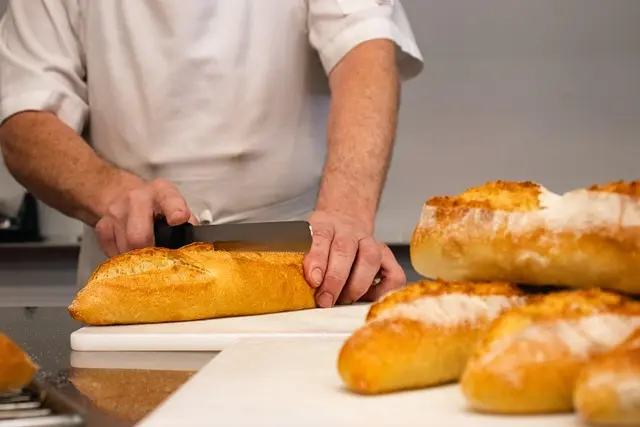
Knife skills are fundamental for any aspiring chef. Start by practicing the three essential cuts: the chop, the dice, and the julienne. Not only do these skills improve your efficiency, but they also enhance the presentation of your dishes.
- Tip: Invest in good quality knives, and always practice safe slicing. A sharp knife is safer than a dull one as it requires less force.
Step 2: Mastering Cooking Techniques
Once you’re comfortable with knives, focus on mastering basic cooking techniques, such as sautéing, roasting, boiling, and grilling. Each technique brings out different flavors and textures in food. Experiment with various ingredients to understand their unique properties.
- Common Mistake: Avoid overcrowding the pan while sautéing; it leads to steaming rather than browning, diminishing the texture of your meal.
Step 3: Understanding Flavor Profiles
Dive into the world of flavors by learning about different herbs, spices, and ingredients. Understanding how these elements interact helps elevate your dishes.
- Pro Tip: Keep a flavor journal. Document which herbs pair well with which proteins. This approach will refine your palate and boost your creativity.
Step 4: Recipe Development
Start developing your own recipes. Begin with classic dishes, then gradually introduce your creative twists. Learn this through scientific cooking principles - understand how temperature affects ingredients and builds flavor.
- Resource: Check out books by respected chefs such as Thomas Keller or Heston Blumenthal, who emphasize the importance of method and creativity.
Step 5: Getting Professional Feedback
Consider enrolling in culinary classes or workshops. Feedback from experienced chefs will help you refine techniques and improve your dish presentations.
- Suggestion: Join local culinary groups or online forums to share experiences and seek constructive criticism.
Comparative Analysis of Cooking Techniques
Here’s a summary of fundamental cooking techniques in a comparison table to help you choose which methods to practice:
| Technique | Description | Strengths | Common Uses |
|---|---|---|---|
| Sautéing | Cooking quickly in a small amount of oil | Fast, retains moisture | Vegetables, seafood |
| Roasting | Cooking with dry heat in an oven | Enhances flavor, caramelization | Meats, root vegetables |
| Boiling | Cooking in water at 100°C | Simple, consistent results | Pasta, eggs |
| Grilling | Cooking over direct heat | Adds unique flavor (smoky) | Steaks, vegetables |
Frequently Asked Questions
What are some essential chef skills?
Essential chef skills include knife skills, cooking techniques, flavor balancing, and recipe development.
How can I improve my cooking skills at home?
Practice consistently, experiment with new recipes, and seek feedback from peers or family members on your dishes.
What is the best way to learn new culinary techniques?
Enroll in culinary classes, follow online tutorials, and watch chefs demonstrate their techniques on platforms like YouTube.
How important is flavor knowledge for chefs?
Understanding flavor profiles is crucial for creating harmonious and appealing dishes; it can significantly impact a chef's success.
Glossary
| Term | Definition |
|---|---|
| Mise en Place | The prep work done before cooking, including chopping and measuring ingredients. |
| Julienne | A technique where vegetables are cut into thin matchstick-like strips. |
| Sear | To quickly cook the surface of food at high heat, creating a caramelized layer. |
Checklist for Aspiring Chefs
- [ ] Practice basic knife skills
- [ ] Master at least five cooking techniques
- [ ] Experiment with flavor combinations
- [ ] Create an original recipe
- [ ] Seek feedback from other culinary enthusiasts
📺 For more insights: Watch instructional videos on essential cooking techniques. Search on YouTube: "how to develop your chef skills 2026".
🧠 Quiz rapide: What is the most important skill for an aspiring chef?
- A) Knife skills
- B) Flavor knowledge
- C) Time management
Réponse : B — While all are essential, mastering flavor knowledge allows chefs to create memorable dishes.
📺 Pour aller plus loin : how to develop your chef skills 2026 sur YouTube