Table of Contents (12 sections)
Starting a culinary journey can be exhilarating, yet challenging. With the art of cooking becoming more popular, aspiring chefs often encounter pitfalls that can hinder their progress. Understanding the common mistakes will help you navigate your culinary path with more confidence.
1. Skipping the Basics
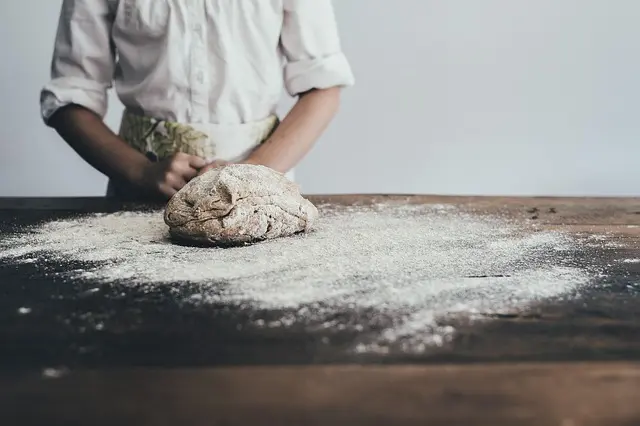
One of the biggest common mistakes in a culinary journey is neglecting foundational skills. Mastering basic knife skills, cooking techniques, and ingredient handling is crucial. For instance, learning how to properly chop vegetables can significantly improve cooking efficiency and presentation. When I first started, I often overlooked these basics, which led to frustration in the kitchen. Focus on mastering techniques like julienne, chiffonade, and sautéing. In the culinary world, a solid foundation can be the difference between a great dish and a mediocre one.
2. Not Experimenting Enough
Some aspiring chefs stick too rigidly to recipes, which limits their creativity. Cooking is as much about experimenting as it is about following instructions. I often encourage students to try variations on classic recipes. For example, instead of just making a standard tomato sauce, try adding different herbs or spices. Experimentation can lead to delicious surprises. Remember, cooking should be fun and an expression of your personality. Embrace mistakes as part of the learning process.
3. Ignoring Ingredient Quality
Using low-quality ingredients can lead to disappointing meals, and it's a common mistake many budding chefs make. The quality of your ingredients directly impacts the flavor of your dish. It’s often said that you can’t make a great dish with poor ingredients. Invest in fresh produce, quality proteins, and artisanal products where possible. A notable difference can be made by choosing organic or locally sourced foods. Not only will your dishes taste better, but you'll also feel more satisfaction from your culinary creations.
4. Failing to Prepare Ahead
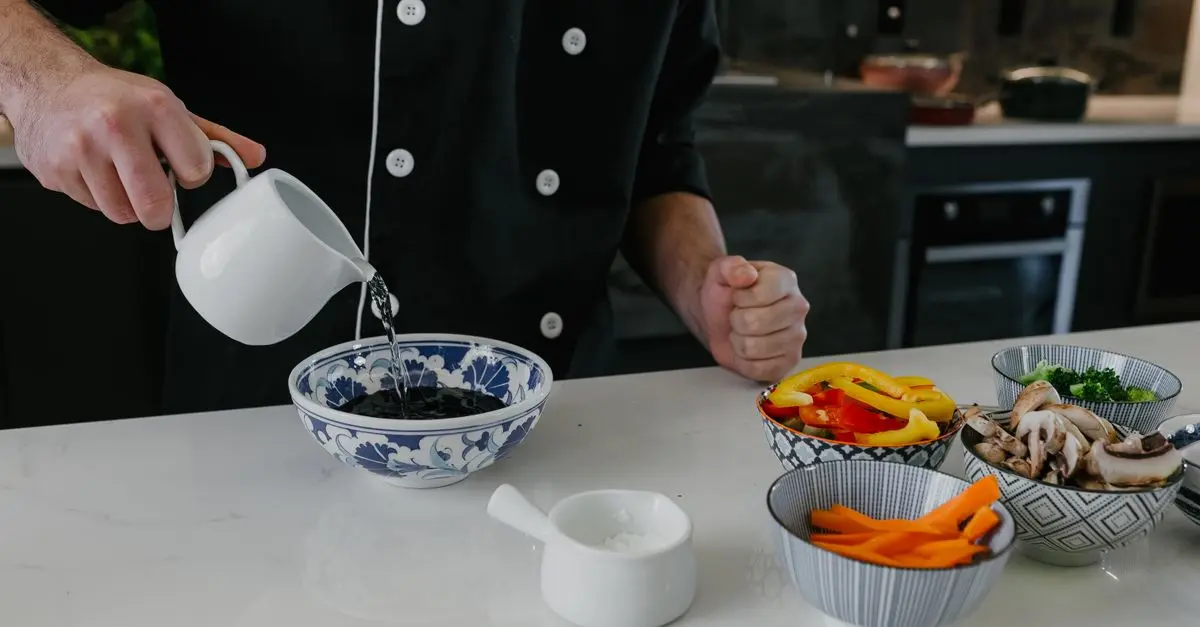
Another critical mistake is not planning your meals or prepping your ingredients in advance. This oversight can cause unnecessary stress during cooking. A successful chef knows that preparation is key. Before starting a dish, gather all your ingredients, equipment, and tools. For instance, if you're making a stir-fry, have your vegetables chopped and sauces ready to go. I’ve found that dedicating time for meal prep at the beginning of the week not only enhances my efficiency but also allows me to tackle more complex recipes with confidence.
5. Neglecting Food Safety
Food safety is paramount in any kitchen and often overlooked by novices. Failing to follow proper food handling and storage practices can lead to foodborne illnesses. Always wash your hands, keep raw meats separate, and ensure your cooking surfaces are clean. Familiarize yourself with safe cooking temperatures to prevent food spoilage. According to the CDC, more than 48 million people become ill from foodborne diseases annually. Adopting good practices ensures your culinary experience is not just delicious but safe as well.
6. Overcomplicating Recipes
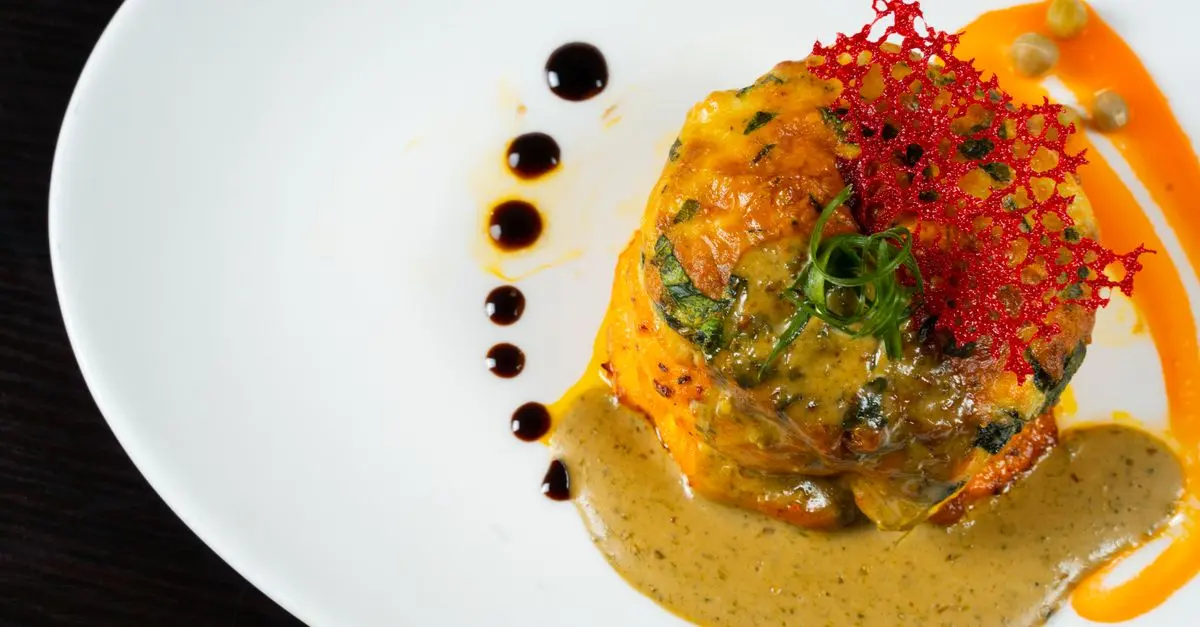
Aspiring chefs often aim to impress by complicating recipes with intricate techniques and numerous ingredients. However, this can lead to disaster. Simplicity can be more effective and, at times, more appealing. I recommend focusing on fewer, high-quality ingredients and mastering simple recipes before progressing to more complex dishes. Classic techniques, when executed well, can create profound flavors and textures without unnecessary complexity.
7. Not Seeking Feedback
Finally, many new chefs create in isolation, failing to seek constructive feedback. Engaging others for their opinions can provide valuable insights. I encourage aspiring chefs to share their dishes with friends or family and ask for honest feedback. This process was transformational for me; it allowed me to refine my skills and adapt my dishes based on what others enjoyed or suggested. Remember, collaboration is key in the culinary community, and learning from your peers can guide your culinary growth.
📺 For Further Exploration
Explore Practical Cooking Tips: Check out a YouTube video on essential cooking skills and beginner-friendly recipes by searching: "how to start cooking basics".
Conclusion
Understanding these common mistakes is vital for anyone starting their culinary journey. Each mistake provides an opportunity for growth and learning, helping you to evolve as a chef.
Checklist before diving in
- [ ] Master the basic cooking techniques.
- [ ] Experiment with flavors and ingredients.
- [ ] Invest in quality ingredients.
- [ ] Prepare and plan meals ahead.
- [ ] Follow food safety guidelines closely.
- [ ] Keep recipes simple and approachable.
- [ ] Seek feedback and learn from others.
Glossary
| Term | Definition |
|---|---|
| Culinary Journey | The process of developing skills and knowledge in cooking and cuisine. |
| Ingredient Quality | The standard of freshness and source of the products used in cooking. |
| Food Safety | The measures taken to handle, prepare, and store food to prevent illness. |
---
📺 Pour aller plus loin : how to start cooking basics sur YouTube