Table of Contents (11 sections)
Cooking is an art that requires skill, creativity, and practical knowledge. Mastering culinary techniques is your gateway to becoming a proficient chef, whether you're a home cook or aiming for a professional kitchen career. In this article, we'll explore seven essential tips that every aspiring chef should follow to truly master the art of cooking.
1. Master the Basics of Knife Skills
Having sharp knife skills is crucial in the culinary world. Not only does it enhance your efficiency in the kitchen, but it also ensures safety while preparing ingredients. Start by learning fundamental cuts like brunoise, julienne, and chiffonade. Practicing these techniques will help you become faster and more accurate. For instance, a chef using correct knife techniques can minimize prep time by up to 30%, allowing for a smoother cooking process. Remember, a well-cut ingredient not only looks better on the plate but also cooks more evenly.
2. Understand Cooking Methods
Each cooking method has its advantages and suited applications. Understanding techniques like boiling, steaming, sautéing, baking, and frying is essential to become a versatile chef. For example, while boiling is ideal for pasta, sautéing vegetables may preserve their nutrients better. Each method affects flavor, texture, and nutrition. Familiarize yourself with the science behind each technique and practice applying them in various recipes to see how they impact the final dish.
3. Develop Flavor Profiles
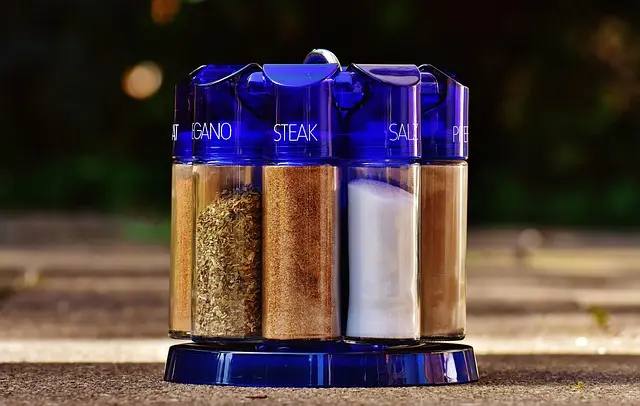
Creating a balanced dish requires knowledge of flavor profiles. Understanding how to combine ingredients—sweet, sour, bitter, salty, and umami—will enhance your culinary creations drastically. For instance, adding acidity, such as lemon juice, can brighten a heavy dish, while herbs like basil or cilantro can add freshness. Experiment with spices from different cuisines and learn how to layer flavors during the cooking process. This skill can elevate your dishes from ordinary to extraordinary.
4. Precision in Measurements
Culinary success often hinges on precision and accuracy in measurements. Whether you're baking or preparing sauces, incorrect measurements can lead to disappointing results. Invest in quality measuring tools—dry and liquid measuring cups, spoons, and digital scales—to ensure you achieve consistent results. Remember, baking is a science, and even a slight variation can drastically change the outcome. Keeping a conversion chart handy can be particularly beneficial in adjusting recipes based on serving size.
5. Embrace Mise en Place
Mise en place, a French term meaning "everything in its place," is a fundamental concept in professional kitchens. Before you begin cooking, prepare and organize all your ingredients and tools. This practice not only reduces stress but also boosts your efficiency. Studies show that chefs who utilize mise en place can complete cooking tasks 25% faster. Moreover, it improves focus and minimizes mistakes during the cooking process. Create a checklist each time you cook to set up your mise en place effectively.
6. Pay Attention to Plating
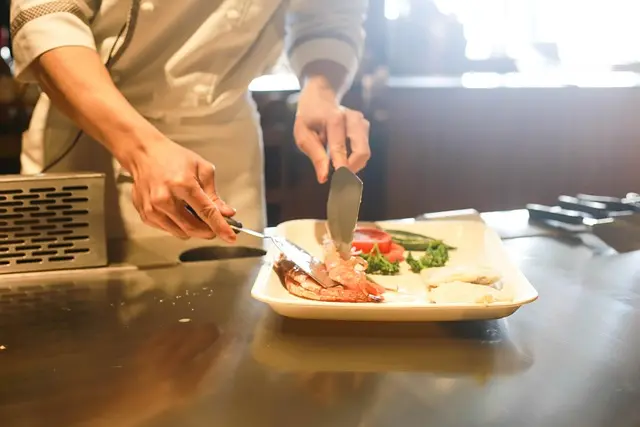
Plating is crucial in the culinary world and can significantly alter a diner's perception of a dish. A well-plated dish not only looks appealing but also enhances the overall dining experience. Take time to learn about design principles—balance, contrast, and harmony. Consider height, color contrasts, and textures while plating. Use white plates to make colors pop and don’t shy away from garnishing to add flair. Professionals recommend keeping the center of the plate clear for a refined appearance.
7. Continuous Learning
The culinary world is ever-evolving, with new techniques, trends, and ingredients constantly emerging. Staying updated is key to maintaining relevance and honing your skills. Engage in continual learning through cooking classes, online tutorials, and culinary schools. Networking with experienced chefs can provide valuable insights and feedback. Moreover, experimenting with different cuisines can inspire creativity, help you find your style, and keep your cooking fresh and exciting.
📺 Resources Video
> 📺 For further learning: How to Improve Your Culinary Skills, an in-depth exploration of essential cooking techniques. Search YouTube for: "how to improve culinary techniques 2026".
Glossary
| Term | Definition |
|---|---|
| Mise en Place | French for "everything in its place"; refers to preparing and organizing ingredients before cooking. |
| Umami | One of the five basic tastes, often described as savory and found in ingredients like mushrooms, soy sauce, and tomatoes. |
| Brunoise | A knife technique involving cutting food into small dice, typically 1 to 2 mm in size. |
Checklist before Cooking
- [ ] Master basic knife skills
- [ ] Understand different cooking methods
- [ ] Develop flavor profiles for dishes
- [ ] Ensure precise measurements
- [ ] Prepare with mise en place
- [ ] Focus on plating techniques
- [ ] Commit to continuous learning
🧠 Quick Quiz: What does "Mise en Place" mean in cooking?
- A) Mixing ingredients
- B) Everything in its place
- C) Decorating the plate
Answer: B — "Mise en Place" refers to the preparation and organization of ingredients before cooking.
📺 Pour aller plus loin : how to improve culinary techniques 2026 sur YouTube