Table of Contents (14 sections)
Embarking on a culinary journey as an aspiring chef can be both exhilarating and daunting. The kitchen is a vibrant space where creativity meets precision, and navigating this environment requires skill, knowledge, and confidence. In this article, we'll explore the most common mistakes aspiring chefs make and provide you with actionable insights to avoid them.
1. Neglecting Fundamentals
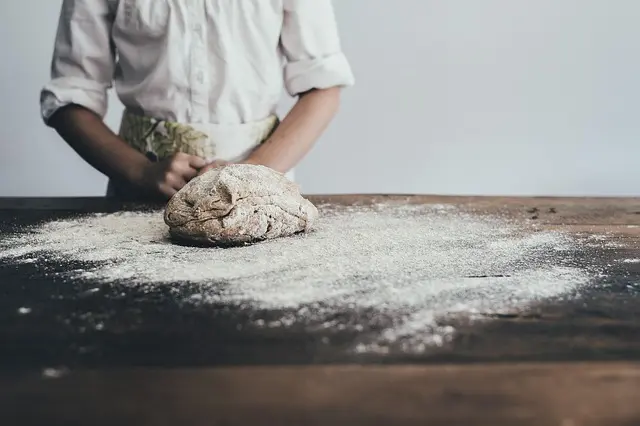
Understanding basic cooking techniques is crucial for any aspiring chef. Skipping the fundamental skills, like how to properly mince garlic or sear meat, can lead to more significant problems down the road. Without mastering these basics, advanced techniques will feel out of reach. Practicing knife skills or learning to make a roux are excellent starting points. As chef Thomas Keller wisely said, "If you don't know the basics, you’ll never know how to innovate."
2. Ignoring Recipe Proportions
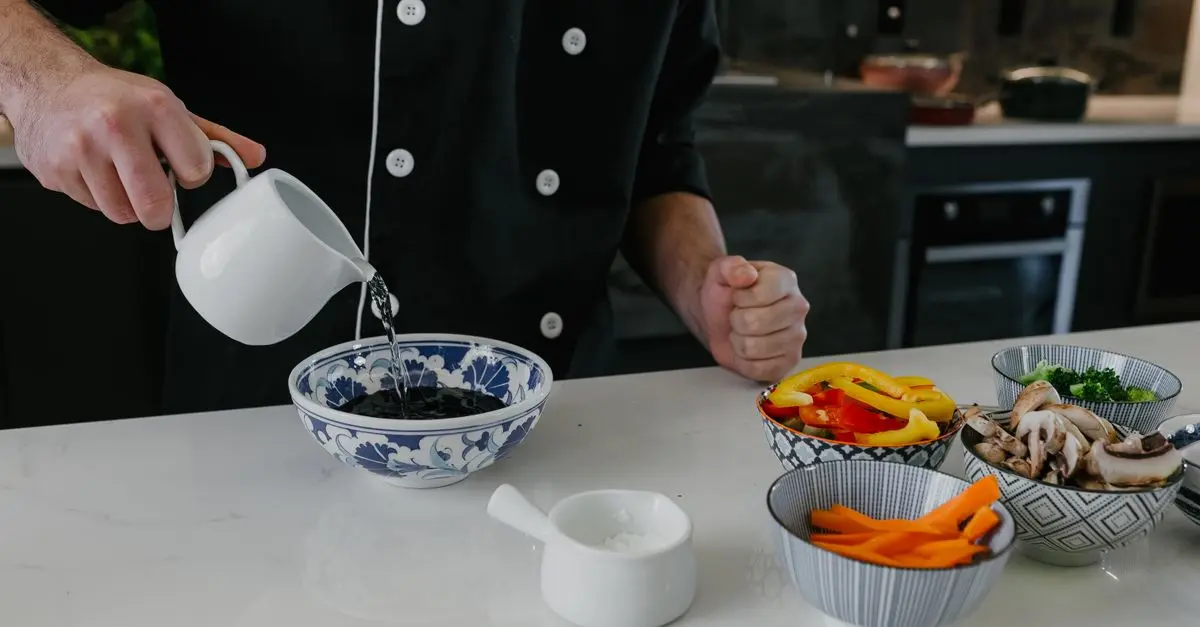
Many new chefs fall into the trap of eyeballing ingredient measurements rather than using precise quantities. This can lead to unbalanced flavors and textures in dishes. Baking, in particular, requires accuracy, as even a small deviation can ruin the final product. Utilize kitchen scales and measuring cups to maintain consistency. A well-balanced dish reflects a chef's attention to detail and proficiency.
3. Overcomplicating Dishes
When starting, it's tempting to impress others with elaborate dishes. However, this can lead to mistakes and cooking disasters. Simplicity often shines in culinary arts, with quality ingredients taking center stage. Focus on mastering a few key dishes before expanding your repertoire. As Julia Child famously said, "You don't have to cook fancy or complicated masterpieces—just good food from fresh ingredients."
4. Not Tasting as You Go
Every great chef knows the importance of taste-testing throughout the cooking process. Neglecting to do this can result in overwhelmed palates and unbalanced flavors. By sampling as you cook, you can adjust seasonings and cooking times accordingly, leading to a better final product. This practice enhances your ability to learn and understand flavor profiles.
5. Failing to Keep a Clean Workspace
Maintaining cleanliness is essential in the kitchen. A messy workstation not only poses risks for cross-contamination but can also hinder your efficiency. Employ the mantra of "mise en place," which means everything in its place. Organize your ingredients and tools before you begin cooking, ensuring that your workspace remains tidy throughout the process. This practice fosters better focus and flow during cooking.
6. Disregarding Nutrition and Food Safety
Food safety is crucial in any culinary endeavor. New chefs often overlook the importance of proper food handling, storage, and hygiene. Familiarize yourself with safety guidelines, such as proper temperatures for cooking meats and how to prevent cross-contamination. A failure in these areas can lead to foodborne illnesses, which can tarnish your reputation as a chef. Understanding nutrition is equally important; consider incorporating healthier options into your repertoire as consumer preferences shift.
7. Not Seeking Feedback
Constructive criticism is a vital aspect of growth in culinary arts. Many beginning chefs hesitate to seek feedback from peers, mentors, or diners. However, inviting others to share their thoughts can provide valuable insights that foster improvement. Create tasting sessions with trusted friends or mentors who can offer honest and knowledgeable opinions. This feedback loop is essential for your growth.
8. Essential Skills:
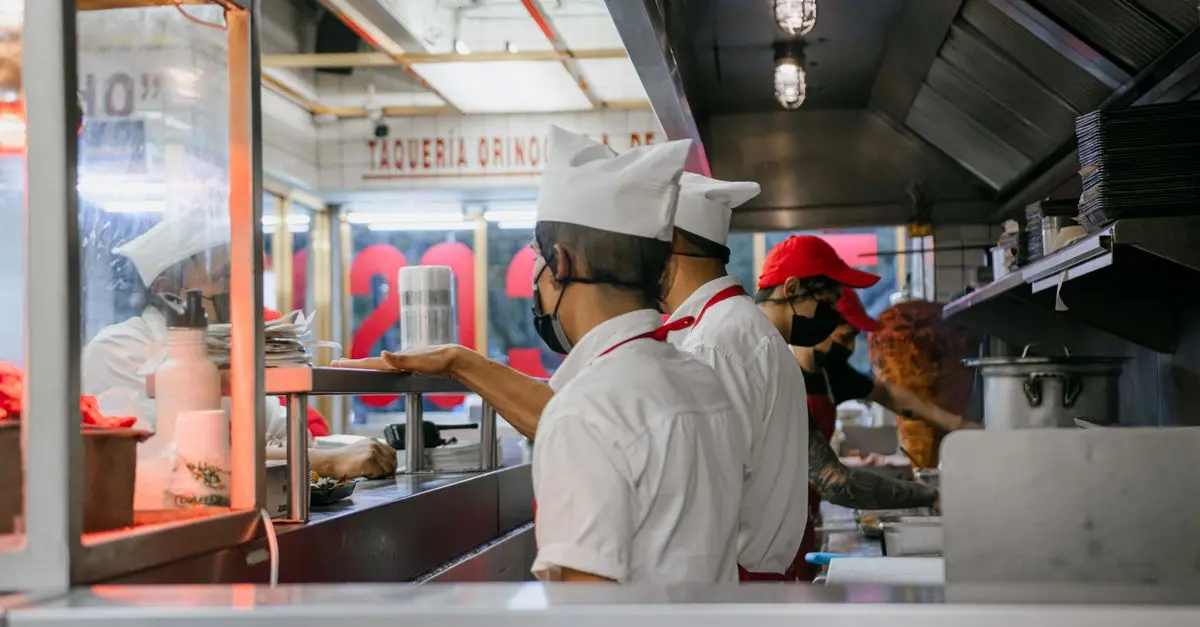
Often, aspiring chefs neglect to develop soft skills alongside technical abilities. Skills like time management, communication, and teamwork are equally crucial in a bustling kitchen environment. Cooking can be a high-pressure situation, and the ability to keep a level head while coordinating with others can make all the difference. Participating in group cooking classes or kitchen internships can help cultivate these skills.
9. Underestimating the Importance of Presentation
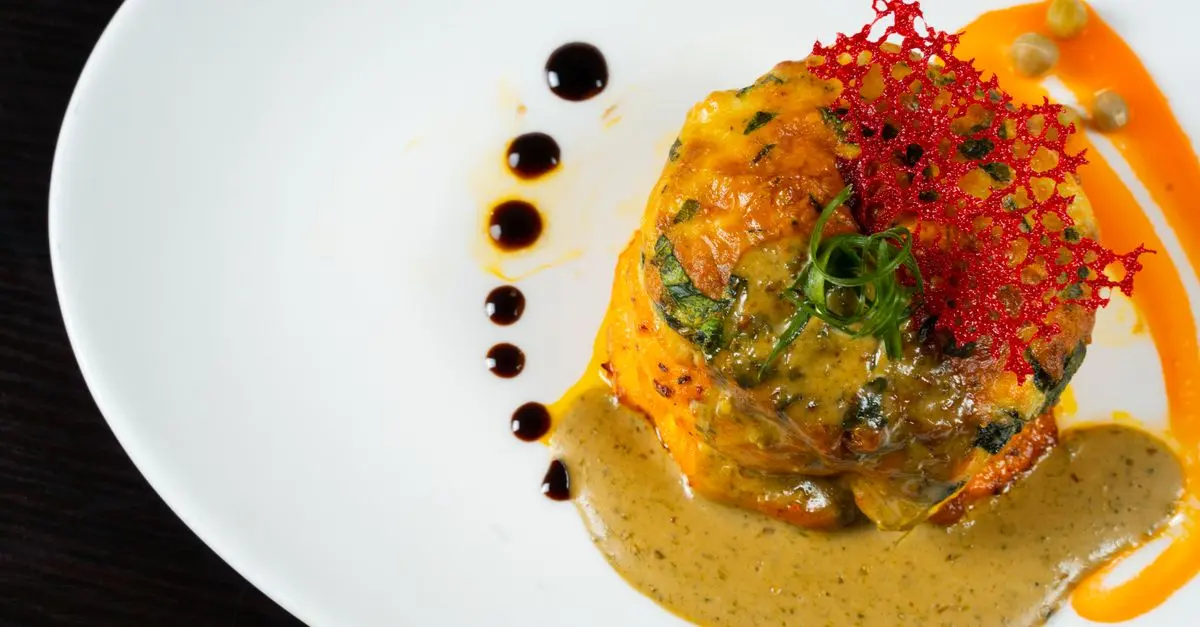
New chefs sometimes think that the taste of the food is all that matters; however, presentation plays a significant role in how a dish is received. People eat with their eyes first, and an appealing plate can enhance the overall dining experience. Invest some time in learning about plating techniques and color combinations; even simple dishes can look gourmet with the right presentation.
10. Neglecting Culinary Trends
While mastering traditions is essential, aspiring chefs should stay aware of current culinary trends. Ignoring the evolving dining landscape can alienate your target audience. Research popular cuisines, dietary preferences, and cooking methods to ensure you meet modern demands. Following chefs on social media platforms, attending food festivals, and consuming culinary media can help you stay informed about emerging trends.
📺 Resource Video
For further insights: Watch videos on common cooking mistakes aspiring chefs make. Search on YouTube: "common mistakes aspiring chefs".
Glossary
| Term | Definition |
|---|---|
| Mise en place | A French culinary phrase meaning "everything in its place," referring to the setup and organization of ingredients and tools before cooking. |
| Knife skills | Techniques used to handle and cut food efficiently and safely with a knife. |
| Plating techniques | The art of arranging food on a plate to enhance presentation and visual appeal. |
Checklist of Common Mistakes to Avoid
- [ ] Master the fundamental cooking techniques
- [ ] Measure ingredients accurately
- [ ] Keep dishes simple and focused
- [ ] Taste as you cook
- [ ] Maintain a clean workspace
- [ ] Adhere to food safety practices
- [ ] Seek constructive feedback
- [ ] Develop essential soft skills
- [ ] Focus on food presentation
- [ ] Stay updated on culinary trends
🧠 Quick Quiz: What should aspiring chefs prioritize when starting?
- A) Learning advanced techniques
- B) Mastering basic skills
- C) Using expensive ingredients
Answer: B — Mastering basic skills is essential for a strong culinary foundation.
Starting your culinary career involves navigating various challenges, but by avoiding these common mistakes, you can set yourself up for success. Embrace the learning process and remember to enjoy the journey! Are you ready to take the leap into the culinary world?
📺 Pour aller plus loin : common mistakes aspiring chefs sur YouTube