Table of Contents (26 sections)
Cooking is both an art and a science, and mastering fundamental cooking techniques is crucial for any aspiring chef. Understanding these techniques not only enhances your culinary repertoire but also boosts your confidence in the kitchen. In this comprehensive guide, we will explore essential cooking methods that every chef should know. Whether you're looking to impress guests or simply explore your passion for cooking, these skills will provide a solid foundation.
1. Knife Skills
One of the first and most critical cooking techniques to master is proper knife skills. Understanding how to wield your knife correctly can enhance your efficiency in the kitchen significantly.
Importance of Knife Skills
Proper knife skills improve food preparation speed and ensure safety. It’s vital to be comfortable with various cuts, such as chopping, dicing, and julienne. According to Culinary Institute of America, good knife skills are what set effective chefs apart. Misusing knives can lead to accidents and injuries; thus, knowing how to handle them reduces risks.
Practical Tips
- Choose the Right Knife: Invest in quality knives that feel comfortable in your hand. Chefs typically recommend a chef’s knife and a paring knife as essentials.
- Cutting Technique: Always use a cutting board—a wooden or plastic one can help maintain your knives’ sharpness. Pinch the blade near the handle for better control.
- Positioning Your Fingers: Keep the fingers of the hand holding the food curled inward to avoid accidents.
Common Mistakes to Avoid
Many new cooks tend to use dull knives, which require more force and increase the risk of slipping. Regularly hone and sharpen your knives to keep them in prime condition.
2. Cooking Methods: Sautéing and Pan-frying
Sautéing and pan-frying are fundamental cooking techniques that involve cooking food quickly in a small amount of fat, usually in a skillet. These methods are essential for developing flavors in a variety of dishes.
Sautéing Explained
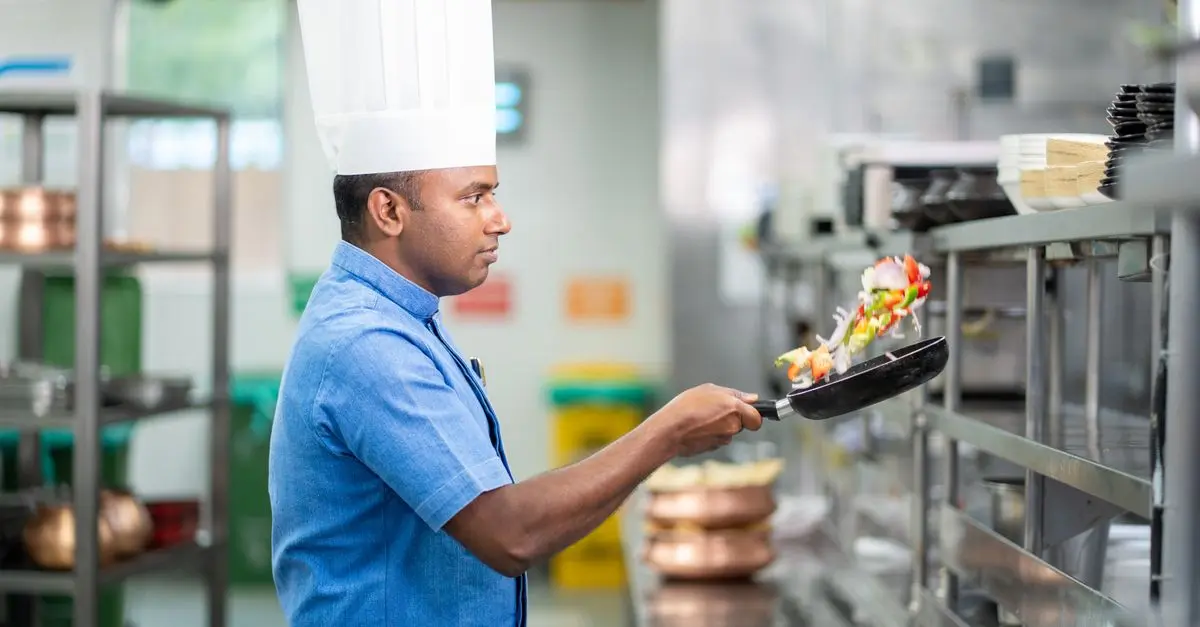
This method is characterized by cooking food over relatively high heat. The goal is to cook the food quickly while maintaining its moisture and flavor. Ingredients are usually diced into uniform pieces to ensure even cooking.
How to Sauté Effectively
- Use the Right Pan: Opt for a sauté pan with high sides and a wide base.
- Preheat Your Pan: Make sure the pan is hot before adding the oil to prevent sticking.
- Add Food in Batches: Avoid overcrowding, as this causes steaming instead of sautéing.
Pan-frying
Pan-frying uses more oil than sautéing and permits larger food pieces. It allows for a crispy, golden exterior while keeping the inside cooked thoroughly.
Recommended Ingredients
- Best Choices: Chicken breasts, vegetables, and tofu are excellent choices for these methods.
- Control Temperature: Keep an eye on the heat level to avoid burning your ingredients.
Common Pitfalls
Watch for signs of overcooking. If your food darkens too quickly, lower the heat.
3. Baking
Baking is a dry heat cooking method that uses an oven to cook food evenly with a steady temperature.
The Science of Baking
Baking relies on precise measurements and techniques. Ingredients such as flour, sugar, and baking powders must be in the right proportions for reactions that create delicious textures and flavors.
Steps for Successful Baking
- Preheat the Oven: Always preheat for even cooking.
- Follow the Recipe: Baking is a science, so stick closely to measurement and temperature recommendations.
- Rotate: Switch the position of your baking trays halfway through for even heat distribution.
Tips for Baking
- Choose Quality Ingredients: Fresh ingredients yield the best results.
- Room Temperature Eggs: For cakes, use eggs at room temperature for better emulsification.
Avoiding Common Mistakes
Many new bakers overlook the importance of weighing ingredients. Using weights ensures accuracy, which is crucial for baking.
4. Roasting
Roasting is another essential technique. In contrast to baking, it typically involves cooking meats and vegetables at high temperatures.
Why Roast?
Roasting enhances flavors through caramelization, providing depth. Vegetables become sweeter, while meats develop a savory crust.
Steps for Proper Roasting
- Use a Rack: This allows air circulation and even cooking.
- High Temperatures: Start with a high temperature to develop a crust and then lower for even cooking throughout.
Key Ingredients
- Optimal Choices: Root vegetables, chicken, and beef are ideal candidates for roasting.
Common Errors to Avoid
Avoid opening the oven door frequently; this can drastically lower the temperature and affect cooking time.
5. Essential Cooking Technique Comparison
To better understand these techniques, let’s compare them in a structured table:
| Technique | Best For | Key Equipment | Difficulty Level |
|---|---|---|---|
| Knife Skills | Prep for all dishes | Chef's knife, cutting board | Intermediate |
| Sautéing | Quick vegetables, meat | Sauté pan | Easy |
| Baking | Pastries, bread | Oven, baking sheets | Moderate |
| Roasting | Meats, hearty vegetables | Roasting pan | Easy |
| Pan-frying | Crispy meats, tofu | Skillet | Easy |
Conclusion
Mastering these essential cooking techniques lays the groundwork for any aspiring chef. Regular practice will not only enhance your cooking skills but also make you more adaptable in the kitchen. As you progress, don’t hesitate to experiment and find your unique culinary voice.
📺 Resource Video
> 📺 For going further: Essential Cooking Techniques, a complete visual guide to mastering the fundamental cooking techniques every chef should know. Search on YouTube: "essential cooking techniques for chefs".
Checklist before Cooking
- [ ] Ensure knives are sharp
- [ ] Pre-measure your ingredients
- [ ] Read your recipe completely
- [ ] Preheat your appliances as needed
- [ ] Prepare your workspace for efficiency
Glossary
| Term | Definition |
|---|---|
| Sautéing | A technique that involves cooking food quickly in a small amount of fat over high heat. |
| Roasting | A cooking method that uses dry heat to brown and cook food evenly, typically at high temperatures. |
| Baking | A method of cooking that involves dry heat, usually in an oven, often involving flour-based products. |
> 🧠 Quick Quiz: What is the key difference between baking and roasting?
> - A) Baking involves liquid, roasting does not.
> - B) Roasting is at lower temperatures.
> - C) Baking requires precise measurements, roasting does not.
> Answer: C — Baking is a science requiring accurate measurement.
📺 Pour aller plus loin : essential cooking techniques for chefs sur YouTube