Table of Contents (15 sections)
Becoming a chef requires more than passion; it demands a solid foundation in essential cooking techniques. Mastering these skills not only enhances your culinary repertoire but also increases your confidence and efficiency in the kitchen. In this article, we will explore various key techniques that every aspiring chef should know.
1. Knife Skills
One of the most fundamental skills in any chef's toolkit is knife handling. Proficient knife skills allow a chef to prepare ingredients quickly and safely. Techniques such as chopping, dicing, and mincing are crucial not only for saving time but also for ensuring uniform cooking. For example, consistent dice sizes improve the visual appeal of dishes and ensure even cooking. Moreover, mastering the art of knife skills can reduce the risk of accidents. We recommend aspiring chefs practice regularly, starting with basic vegetables before progressing to more complex cuts.
2. Sautéing
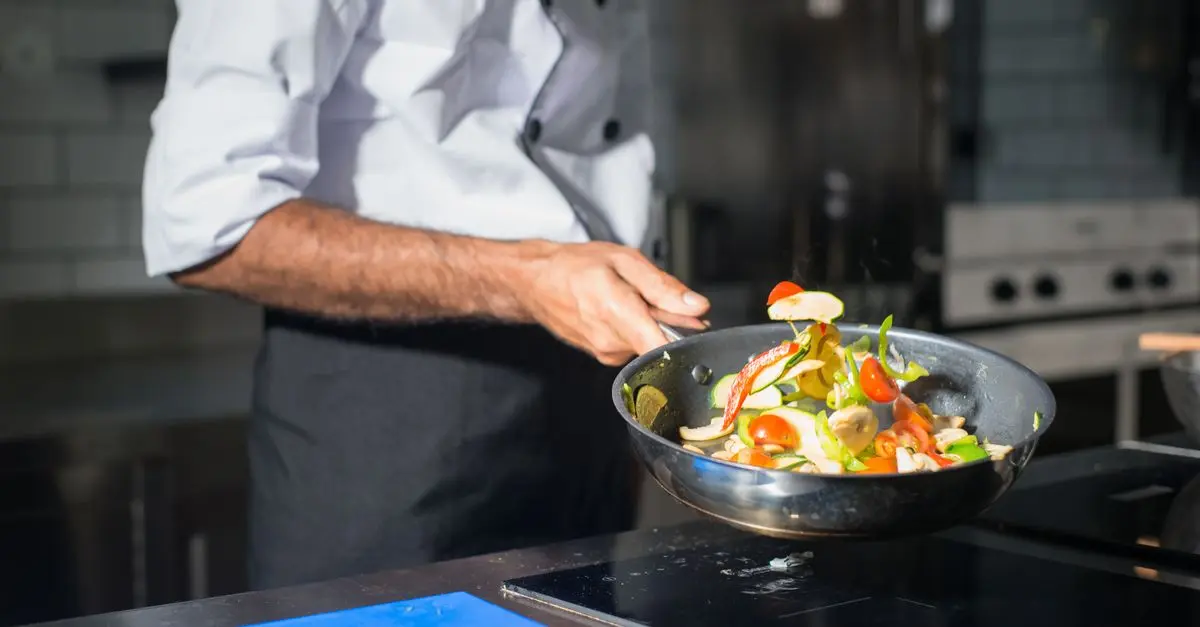
Sautéing is a quick cooking technique that involves cooking food in a small amount of oil or fat over high heat. This method is essential for developing flavors in dishes. By sautéing ingredients like garlic or onion until golden, you can create a flavorful base for soups and sauces. Remember, the key to successful sautéing is to ensure that your pan is hot enough and that you do not overcrowd it, which traps steam and prevents browning. With practice, you'll find sautéing enhances the natural flavors of your ingredients, making it a go-to method in your culinary repertoire.
3. Braising
Braising combines two cooking techniques: searing food at high heat, followed by slow cooking in liquid. This method is perfect for tougher cuts of meat, allowing collagen to break down while infusing the meat with intense flavor. A classic example is braised short ribs; after searing, they are slowly cooked in red wine and broth. This technique not only tenderizes the meat but also creates a rich, flavorful sauce. Understanding braising can elevate your cooking, especially in creating comforting dishes for colder evenings.
4. Roasting
Roasting is a dry heat cooking method that utilizes the oven, perfect for enhancing the flavors and textures of foods, particularly meats and vegetables. Techniques such as spatchcocking a chicken can significantly reduce the cooking time and allow for even browning. When roasting vegetables, consider tossing them in olive oil, salt, and pepper to promote caramelization. According to research, roasting can intensify the flavors of vegetables, making them more enjoyable while retaining nutrients. This technique should become a staple in your cooking arsenal as it offers versatility and ease.
5. Baking
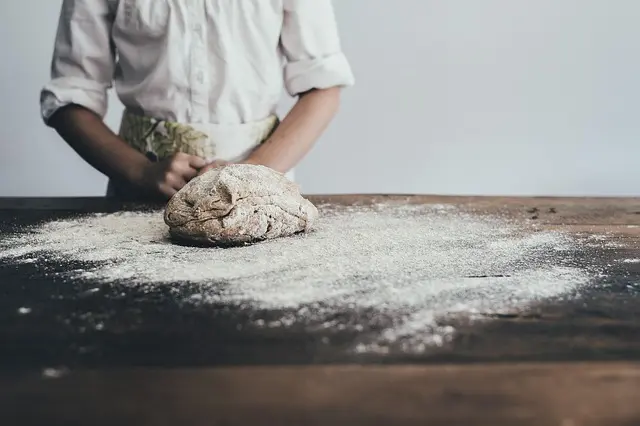
Baking is a science that requires precision and understanding of ingredient interactions. Knowing how to work with different types of flour, leavening agents, and temperature controls is essential for successful baking. Techniques such as measuring ingredients accurately and understanding temperature settings can make the difference between a perfect soufflé and a collapsed one. Aspiring bakers should practice by starting with simple recipes before moving on to more complex pastries, allowing for gradual skill development and understanding of the baking process.
6. Grilling
Grilling, whether on a barbecue or stovetop grill, adds a smoky flavor to meats and vegetables that is hard to replicate. Understanding heat control is crucial for grilling; different meats require different temperatures and times to cook properly. For example, a steak might only need a couple of minutes per side for a medium-rare finish. Additionally, marinating meats before grilling can enhance flavor and tenderness. Experimenting with various marinades and grilling vegetables adds depth to your dishes, making grilling an impactful technique in your culinary toolkit.
7. Poaching
Poaching is a gentle cooking technique that involves simmering food in liquid at a low temperature. This is ideal for delicate proteins such as fish and eggs, helping to retain moisture and flavor without the addition of fats. A great example is poached salmon served on a bed of greens, allowing for a healthy yet flavorful dish. Mastering poaching teaches you patience and precision, as it requires keen attention to temperature management to achieve the perfect result.
8. Emulsification
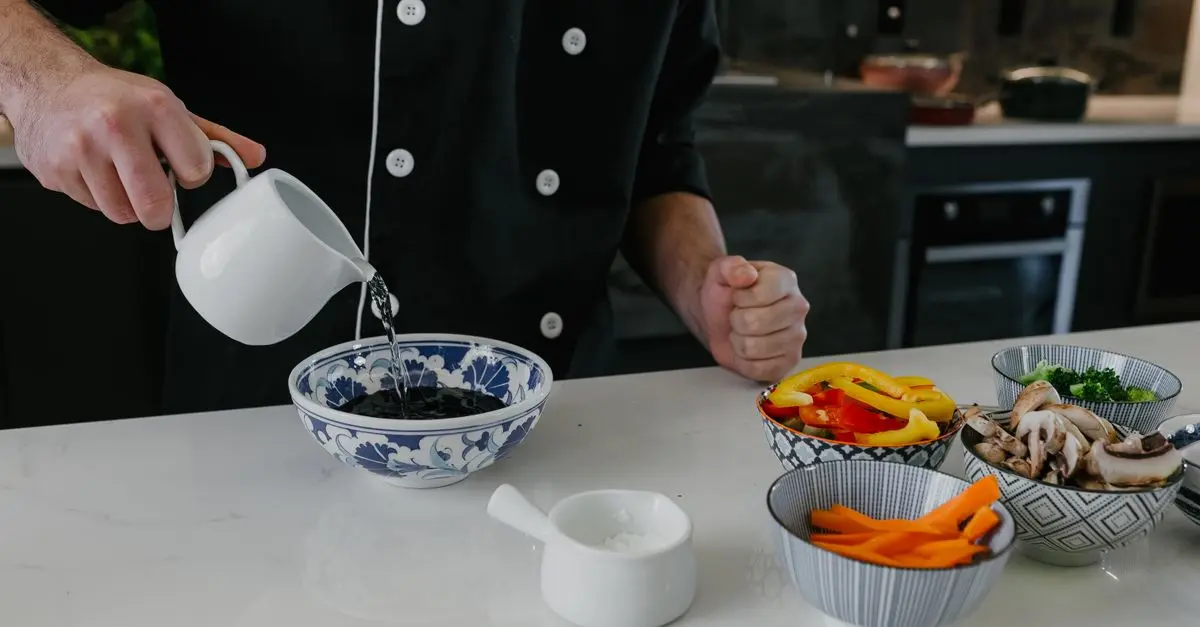
Emulsifying is the process of combining two ingredients that usually don’t mix, such as oil and vinegar. Knowing how to create emulsions is essential for making dressings, sauces, and mayonnaise. Techniques like whisking, blending, or using an immersion blender can help achieve a smooth mixture. Understanding emulsification can dramatically enhance the flavor and texture of sauces, providing your dishes with an elevated quality. Aspiring chefs should practice this technique to add sophistication to their culinary creations.
9. Sous Vide
Sous vide is a cooking method that involves vacuum-sealing food in a bag and cooking it to a very precise temperature in a water bath. This technique, growing in popularity among professional chefs, allows for precise control over doneness and enhanced flavors. It’s particularly advantageous for cooking meats, as it results in exceptionally tender and moist dishes. While this method requires some specialized equipment, the results can be transformative, making it worth exploring for anyone serious about cooking.
10. Seasoning
Seasoning is not just about salt; it encompasses balancing flavors with herbs, spices, and acids. Knowing when and how to season your dishes can significantly enhance their taste. For example, adding salt at various stages during cooking can bring out different flavors in your ingredients. Frequent tasting and adjusting flavors as you cook is crucial in developing your palate. Understanding seasoning strategies can elevate your cooking from basic to remarkable, making it a necessity for all aspiring chefs.
11. Plating
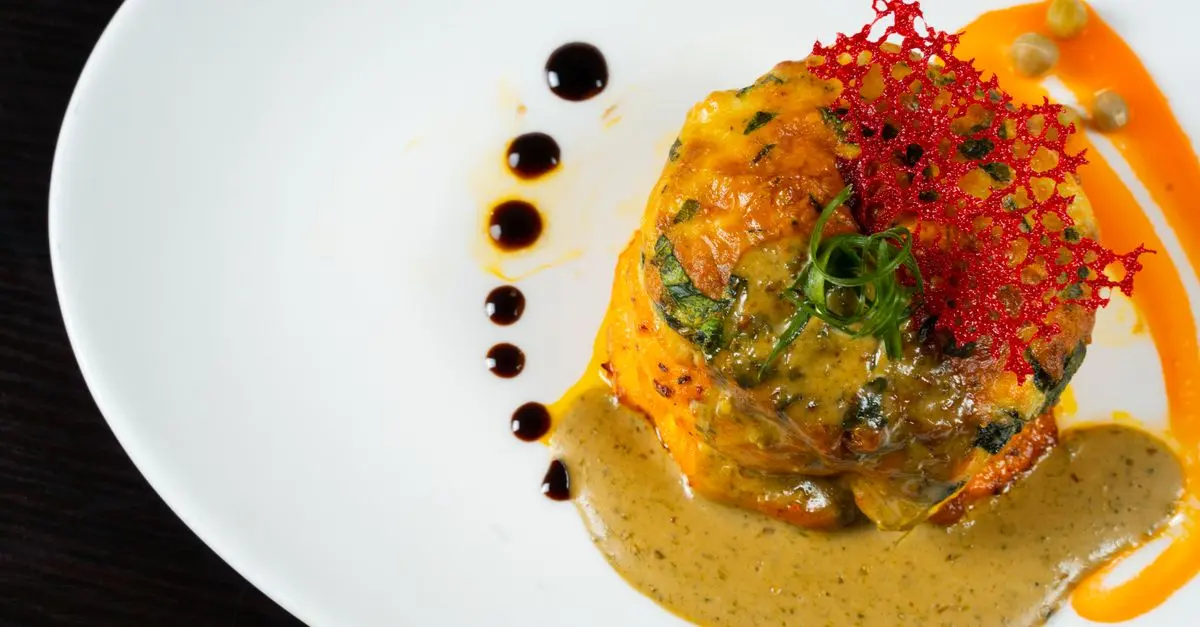
Plating is the art of presenting food in an aesthetically pleasing way. Understanding how to attractively arrange food on the plate can significantly impact the dining experience. Techniques such as color balance, texture contrast, and height can all contribute to an appealing presentation. Many chefs believe that the first impression of a dish is through its visual appeal, making this skill exceptionally important. Experimenting with plating styles can help you develop your personal touch and creativity in your culinary endeavors.
12. Food Safety and Sanitation
Last but not least, understanding food safety and sanitation processes is critical in any kitchen. This includes proper handling, storage, and cooking temperatures to prevent foodborne illnesses. Learning about cross-contamination, proper cleaning techniques, and recognizing when food is no longer safe to consume is essential for any aspiring chef. According to the CDC, millions of people suffer from foodborne illnesses each year, highlighting the importance of this knowledge in the culinary profession.
Checklist before you start cooking:
- [ ] Practice knife skills regularly
- [ ] Experiment with sautéing different vegetables
- [ ] Try braising a tough cut of meat
- [ ] Roast a variety of vegetables and proteins
- [ ] Master at least one baking recipe
- [ ] Grill various meats to understand temperature control
- [ ] Poach eggs and fish to learn the technique
- [ ] Create emulsions for sauces and dressings
- [ ] Practice seasoning before serving
- [ ] Plate food artistically to enhance presentation
- [ ] Follow food safety guidelines strictly
Glossaire
| Terme | Définition |
|---|---|
| Sautéing | Cuisson rapide d'aliments dans une petite quantité d'huile à feu vif pour développer des saveurs. |
| Emulsification | Processus de mélange d'ingrédients qui ne se combinent normalement pas, comme l'huile et le vinaigre. |
| Poaching | Cuisson douce de la nourriture dans un liquide à basse température, permettant de conserver l'humidité et la saveur. |
> 🧠 Quiz rapide : Quel est l'avantage principal de la cuisson par braisage ?
> - A) Cuisiner rapidement
> - B) Développer des saveurs riches
> - C) Cuire à la vapeur
> Réponse : B — Le braisage permet d'infuser des saveurs tout en attendrissant les viandes.
📺 Pour aller plus loin : Maîtriser les techniques de cuisson essentielles, une analyse complète de techniques à connaître. Recherchez sur YouTube : "cooking techniques for aspiring chefs".
📺 Pour aller plus loin : cooking techniques for aspiring chefs 2026 sur YouTube
Recommended products
Selected by our experts
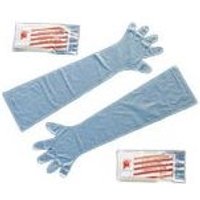
Gants zootechniques El.Cm85 50Pcs
DocMorris FR (ex DoctiPharma FR)
Using quality kitchen gloves can ensure safety and hygiene while preparing ingredients.
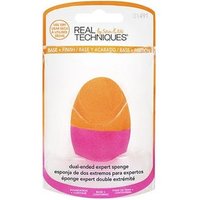
Real Techniques Double Finish Sponge 1pc
DocMorris FR (ex DoctiPharma FR)
A double finish sponge is great for cleaning up after cooking, making it easier to maintain a clean workspace.

Mini pinceau à fond de teint Real Techniques 1pc
DocMorris FR (ex DoctiPharma FR)
A mini foundation brush is handy for precise applications, useful for garnishing and plating.