Table of Contents (15 sections)
Becoming a skilled chef is not just about having a passion for cooking; it requires mastering foundational cooking techniques. These essential skills can make the difference between a novice meal and a culinary masterpiece. In this article, we’ll explore crucial cooking techniques that every aspiring chef should manage.
1. Boiling and Simmering: The Basics of Water Cooking
Understanding how to boil and simmer correctly is foundational in culinary arts. Boiling involves cooking food in water or broth at high temperatures (212°F or 100°C), creating steam and rapid bubbles. This method is perfect for pasta or hard boiling eggs. Simmering, on the other hand, is a gentler process where water is kept just below boiling (around 185°F to 205°F). This allows flavors to meld effectively while preventing food from breaking apart. For instance, simmering a pot of stew allows the meat to become tender and the flavors to intensify. Mastering these techniques also helps in creating soups and sauces. Practicing this technique can significantly enhance your cooking skills and lead to more flavorful dishes.
2. Sautéing: The Art of Quick Cooking
Sautéing is a technique that involves cooking food quickly in a small amount of fat, usually oil or butter, over relatively high heat. This method is ideal for releasing flavors and achieving a caramelized texture. Tip: Cut ingredients into uniform sizes to ensure even cooking. When you sauté vegetables, you are locking in moisture and enhancing their flavors. For example, sautéing onions and garlic in olive oil creates a fragrant base for sauces and soups. To become proficient, practice different ingredient combinations and explore how sautéing affects texture and taste.
3. Baking: Precision in the Oven
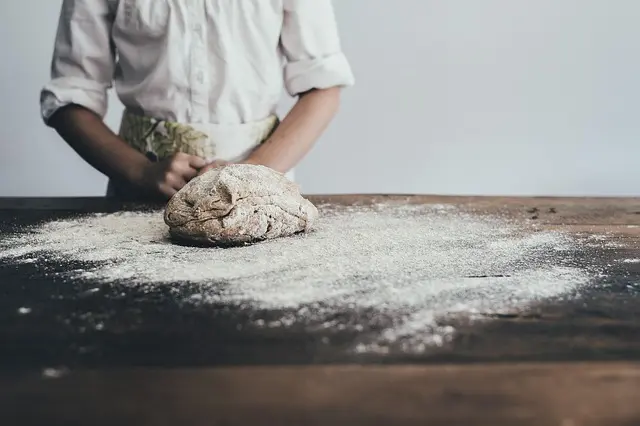
Baking is a dry heat cooking method where ingredients are cooked in an oven. This technique is crucial for creating various dishes from bread to pastries. Understanding bake times and temperatures is key; for instance, baking bread at the right temperature ensures a fluffy, well-risen loaf. Using a kitchen thermometer can help ensure you’re hitting the correct internal temperatures. Moreover, the science of baking relies on ratios and precise measurements — deviations can lead to undesirable results. Mastering baking gives you the ability to produce satisfying treats that showcase your technical skills.
4. Grilling vs. Broiling: Heat from Above and Below
Grilling involves cooking food over an open flame, producing a distinct charred flavor that many love. On the other hand, broiling uses the oven’s top element to cook food much like grilling but from above. Comparison Table of Grilling vs. Broiling:
| Technique | Grilling | Broiling | Verdict |
|---|---|---|---|
| Heat Source | Direct flame | Top oven element | Both impart flavor |
| Ideal Foods | Meats, veggies, fish | Fish, meats, and cheese | Choose based on equipment |
| Flavor Profile | Smoky, charred | More direct heat | Similar, but less smoky |
| Ease of Use | Can be complex | Easy with a proper oven | Great for quick meals |
5. Roasting: From Vegetables to Meats
Roasting is a versatile cooking technique wherein food is cooked evenly using dry heat. It’s particularly effective for large cuts of meat and hearty vegetables. The process caramelizes the surface, enhancing the flavor and texture while cooking the inside thoroughly. For instance, roasting a chicken results in tender meat and crispy skin. Learning how to roast properly includes understanding various oven temperatures and cooking times based on your ingredients. A properly roasted dish offers a satisfying experience that showcases your attention to detail.
6. Steaming: Healthy Cooking at its Finest
Steaming is a cooking technique that utilizes steam to cook food and is often seen as one of the healthiest ways to prepare foods. It retains nutrients, texture, and flavor better than boiling. This method is excellent for vegetables, fish, and even dumplings. Compared to other methods, steaming requires a shorter cooking time and results in a fresher taste. Consider using a bamboo steamer for delicate items — it contributes a subtle flavor and gives dishes a beautiful presentation.
7. Blanching: Preparing Food for Freezing or Cooking
Blanching involves briefly boiling food, typically vegetables, and then plunging them into ice water to stop the cooking process. This technique not only enhances the color and texture but also makes it easier to peel certain fruits and vegetables. For example, blanching tomatoes before peeling them aids in removing the skin effortlessly. This method is essential for preparing ingredients before freezing; it enhances freshness and prolongs shelf life. Practicing blanching techniques can add to your overall skill set in preserving produce quality.
8. The Importance of Knife Skills
Proper knife skills are the cornerstone of effective cooking techniques. Knowing how to chop, dice, julienne, and chiffonade can save time and improve your presentation. For instance, a well-diced onion not only cooks better but also looks more appealing in your dish. Invest time in learning different cuts and practicing them frequently. Mastering this skill provides a solid foundation that supports many cooking techniques, from sautéing to garnishing.
9. Understanding Seasoning: Elevating Your Dishes
No cooking technique would be complete without knowing how to season food adequately. This skill can make a severe difference between a bland dish and one full of flavor. Experimenting with herbs, spices, salt, and acidity allows you to create layers of flavor. Remember that seasoning should be adjusted at different stages of cooking, with tasting at each point — for example, adding a dash of acid like vinegar at the end can brighten your dish. Understanding these nuances elevates your culinary creations, showcasing your growth as a chef.
10. Plating: The Final Presentation
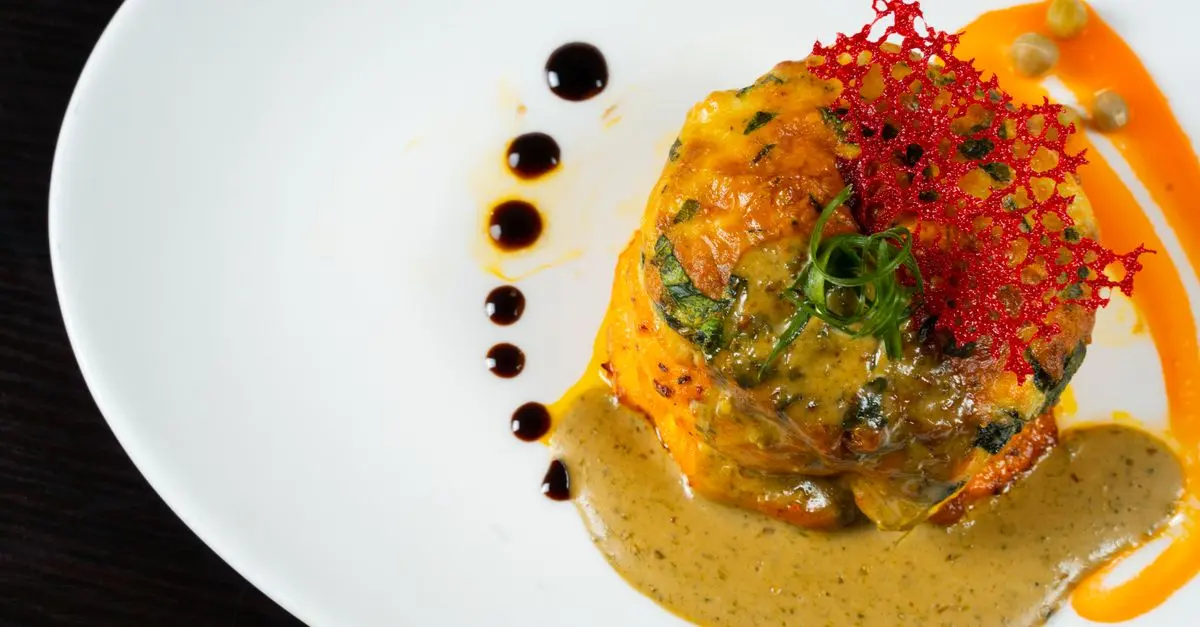
Plating is the final touch that transforms a meal into a visually stunning creation. Understanding how to present your food appealingly is a craft in itself. Good plating can enhance the perceived taste of your dish. Focus on height, color contrast, and use of sauces to create an inviting plate. Don’t be afraid to play with different textures and shapes to create a stunning presentation. Remember, the first bite is with the eye. Developing plating techniques can significantly improve your overall culinary experience.
📺 Resources Video
> 📺 To go further: Essential Cooking Techniques for Aspiring Chefs, a detailed overview of essential techniques. Search YouTube for: essential cooking techniques for aspiring chefs.
Glossary
| Term | Definition |
|---|---|
| Sautéing | Cooking food quickly in a small amount of fat over high heat. |
| Blanching | Briefly boiling food and then plunging it into ice water. |
| Roasting | Cooking food evenly using dry heat in an oven. |
Checklist Before Mastering Cooking Techniques
- [ ] Practice boiling and simmering.
- [ ] Refine sautéing skills.
- [ ] Experiment with baking ratios.
- [ ] Compare grilling and broiling outcomes.
- [ ] Perfect your roasting technique.
Conclusion
Mastering essential cooking techniques is crucial for any aspiring chef. Through practice and exploration, you will build the skills necessary to create delicious dishes that showcase your culinary artistry. Whether it’s perfecting sautéing or exploring the art of plating, every technique adds to your proficiency in the kitchen. Embrace these methods and elevate your cooking adventures!
🧠 Quick Quiz: What is the main purpose of blanching?
- A) Enhancing flavor
- B) Preserving color and texture
- C) Cooking thoroughly
Answer: B — Blanching preserves color and texture by stopping the cooking process.
📺 Pour aller plus loin : essential cooking techniques for aspiring chefs sur YouTube