Table of Contents (13 sections)
In the culinary world, mastering cooking techniques is fundamental for any aspiring chef. Whether you aim to dazzle diners at fine dining restaurants or perfect your skills at home, understanding essential cooking methods can set you apart. This article outlines several vital cooking techniques that every chef should know to elevate their culinary game.
1. Sautéing: A Fundamental Technique
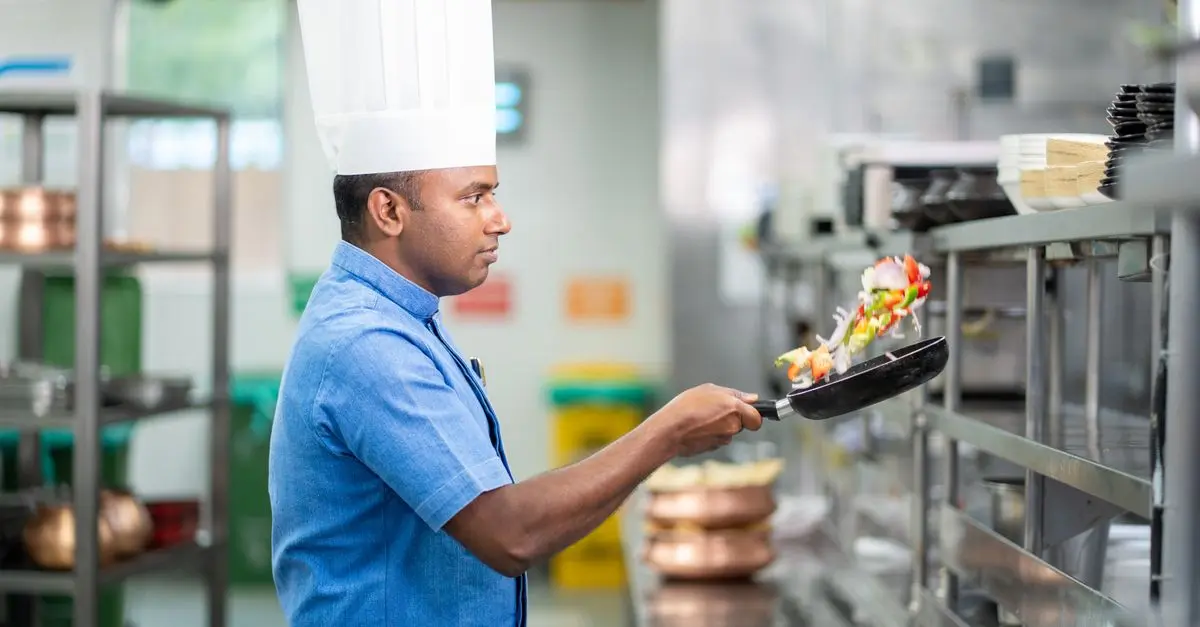
Sautéing is a rapid cooking method that uses a small amount of fat over medium to high heat. It’s perfect for vegetables, proteins, and aromatics, allowing ingredients to cook quickly while maintaining their flavor and texture. To sauté effectively, utilize a heavy-bottomed pan that retains heat well and preheat it before adding oil. Once the oil is shimmering, add your ingredients in a single layer to ensure even cooking. Remember to keep the food moving to prevent sticking and burning. This technique cultivates rich flavors and is a cornerstone in professional kitchens.
2. Roasting: Bringing Out Natural Flavors
Roasting is another essential technique where food is cooked evenly in an oven at high temperatures. This method enhances the natural sweetness of vegetables and browns meats beautifully, creating complex flavors through caramelization. For effective roasting, preheat your oven and use a roasting pan that allows air circulation around the food. For best results, vegetables should be cut uniformly to ensure even cooking. Studies show that roasting can enhance flavor complexity, making dishes more appealing and enjoyable for diners.

COOKING BOX Plancha a gaz PALMA - 4 feux - 10kW - 69x51x35 cm - Surface de cuisson: 62x35 cm - Noir
Aosom FR
3. Braising: For Tender and Flavorful Results
Braising combines both dry and wet heat methods, typically involving an initial sear, followed by slow cooking in a liquid. This technique is ideal for tougher cuts of meat and root vegetables, as it breaks down tough fibers, yielding tender and flavorful dishes. Begin by seasoning your protein and searing it in a heavy pot, followed by adding aromatic vegetables. Once these have softened, add your braising liquid, cover the pot, and let it simmer slowly, often for several hours. The result is a concentrated flavor beloved in many cuisines around the world.
4. Grilling: A Flavorful Alternative
Grilling provides a unique smoky flavor and is one of the most beloved cooking methods. High direct heat gives quick cooking times and distinctive grill marks. To grill effectively, ensure your grill is hot and use oil on your food to prevent sticking. This method is versatile, from grilling vegetables and seafood to meats and fruits. Studies suggest that grilled foods can contain less fat compared to other cooking methods, making grilling a healthy option.
5. Blanching: A Quick Cooking Method
Blanching involves briefly boiling foods before plunging them into ice water, helping to preserve color and nutrients. This is especially crucial for green vegetables like broccoli and asparagus, which can lose vibrant colors when cooked for too long. To blanch, bring a pot of salted water to a boil, add your vegetables, and cook for 2-3 minutes. Then transfer them quickly to an ice bath to halt the cooking process. This technique is not only great for flavor but also a necessary step for precise presentation in plated dishes.
6. Baking: A Science and an Art
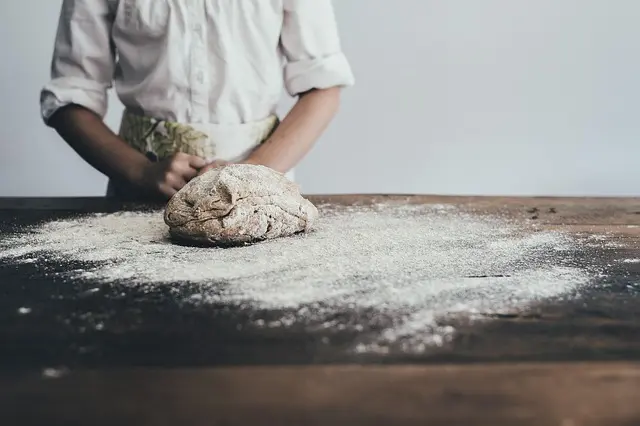
Baking is a precise cooking method that relies on accurate measurements and timing. Perfect for creating breads, pastries, and desserts, it involves cooking food through dry heat, which can caramelize sugars and create intricate textures. Understanding the science behind baking, such as how ingredients like yeast or baking powder interact, is vital for success. Chefs should familiarize themselves with foundational recipes and techniques to create impressive baked goods.
7. Steaming: Keeping Nutrients Intact
Steaming is a gentle cooking technique that preserves flavors and nutrients, making it a health-conscious option. It’s done by cooking food over boiling water, where the steam envelops the food to cook it without direct contact with water. This method works wonderfully for delicate fish and vegetables. To steam efficiently, use a steamer basket and ensure the pot is covered to trap steam inside. Health organizations endorse steaming for its ability to maintain the integrity of nutrients compared to boiling.
8. Sous Vide: The Precision of Cooking
Sous vide, which translates to "under vacuum," involves cooking food in a vacuum-sealed bag submerged in a temperature-controlled water bath. This technique ensures precise cooking temperatures, yielding consistent results. Ideal for meats, this technique locks in essential flavors and moisture. While it requires specialized equipment, many chefs find the investment worthwhile due to the results it delivers. Techniques like sous vide have seen a significant rise in popularity, as evidenced by the proliferation of sous vide equipment on the market.
Comparison Table of Cooking Techniques
| Technique | Method | Best For | Flavor Development |
|---|---|---|---|
| Sautéing | Dry heat, quick cook | Vegetables, proteins | Rich, concentrated flavors |
| Roasting | Dry heat, oven | Vegetables, meats | Enhanced sweetness via caramelization |
| Braising | Intense heat followed by moisture | Tough meats | Deep, robust flavors |
| Grilling | Direct heat | Meats, vegetables | Smoky flavors |
| Blanching | Quick boil followed by ice bath | Green vegetables | Preserved color and nutrients |
| Baking | Dry heat | Breads, pastries | Complex texture, sweetness |
| Steaming | Indirect heat | Vegetables, fish | Nutrient retention |
| Sous Vide | Precise temperature cooking | Meats | Moist, tender results |
📺 Resource Video
📺 For further learning: Explore essential cooking techniques with a comprehensive breakdown of each method. Search on YouTube: "essential cooking techniques 2026".
Glossary
| Term | Definition |
|---|---|
| Sautéing | A cooking method that involves cooking food quickly in a small amount of fat. |
| Braising | A cooking method that combines dry and wet heat, usually involving a long cooking time. |
| Sous Vide | A cooking method that involves vacuum-sealing food and cooking it in a water bath at a controlled temperature. |
Checklist before cooking
- [ ] Master the sautéing technique.
- [ ] Understand the roasting principles.
- [ ] Practice braising on tougher cuts.
- [ ] Get comfortable with grilling.
- [ ] Experiment with steaming vegetables.
- [ ] Learn the art of baking.
By embarking on your culinary journey and practicing these foundational techniques, you'll not only enhance your cooking abilities but also build a solid foundation for your culinary career. Understanding and mastering these cooking techniques is crucial to becoming a skilled chef.
Call to Action: Ready to elevate your culinary game? Start perfecting these essential cooking techniques today!
📺 Pour aller plus loin : essential cooking techniques 2026 sur YouTube
Recommended products
Selected by our experts
COOKING BOX Plancha a gaz PALMA - 4 feux - 10kW - 69x51x35 cm - Surface de cuisson: 62x35 cm - Noir
Aosom FR
The Cooking Box Plancha a gaz is perfect for grilling and sautéing numerous ingredients efficiently.
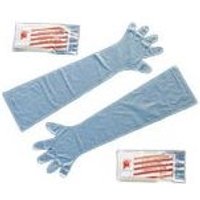
Gants zootechniques El.Cm85 50Pcs
DocMorris FR (ex DoctiPharma FR)
Using quality gloves helps maintain hygiene and safety while preparing food.
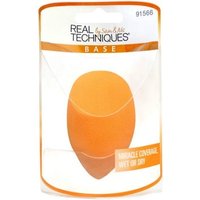
Eponge d'application Real Techniques 1pc
DocMorris FR (ex DoctiPharma FR)
An application sponge can make your baking routine more efficient and enjoyable.