Table of Contents (16 sections)
Cooking is an art that blends science, creativity, and practice. For aspiring chefs, mastering various cooking techniques can elevate your culinary creations. In this list, we cover the essential skills that every chef should aim to master.
1. Knife Skills: The Foundation of Cooking
Mastering knife skills is arguably the most crucial aspect of cooking. Proper chopping, dicing, and julienning techniques not only enhance your efficiency but also ensure safety in the kitchen. For example, the rock chop technique involves holding the tip of the knife on the cutting board while using a rocking motion to chop, which allows for faster and more uniform cuts. According to culinary educators, chefs with strong knife skills can reduce preparation time by up to 30%. Incorporate regularly practicing different cuts into your routine to develop muscle memory and confidence.
2. Sautéing: Understanding Heat and Flavor
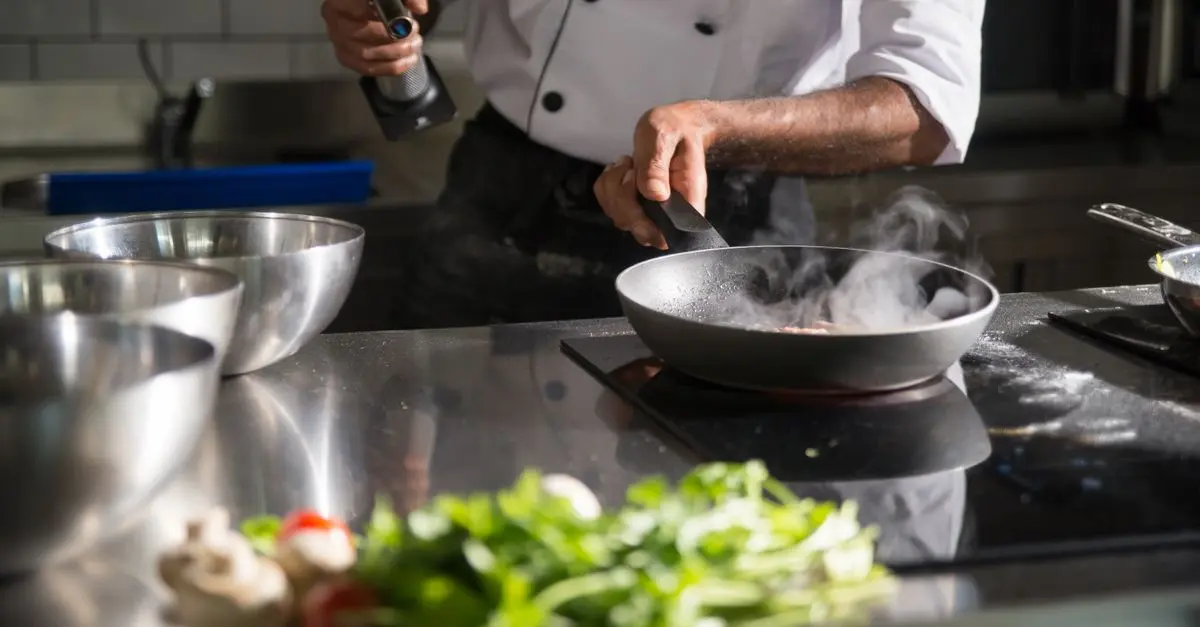
Sautéing involves cooking food quickly in a small amount of oil or fat over medium-high heat. This technique is essential for developing flavors and achieving the perfect texture. For instance, sautéing onions increases their natural sweetness and adds depth to dishes like sauces and soups. A key tip is to heat the pan before adding oil to prevent sticking and to achieve a nice sear. Mastering the art of sautéing can significantly impact the taste of your dishes, making it a must-learn technique for any aspiring chef.
3. Braising: The Secret to Tenderness
Braising combines both dry and wet cooking methods to break down tougher cuts of meat and infuse them with flavor. This technique typically involves first searing the meat to develop a crust and then slow-cooking it with liquid in a covered pot. For example, braised short ribs transforms tough meat into meltingly tender morsels. The blend of heat and time allows flavors to deepen, making braising a fundamental technique for achieving restaurant-quality dishes at home.
4. Baking: Precision Meets Chemistry
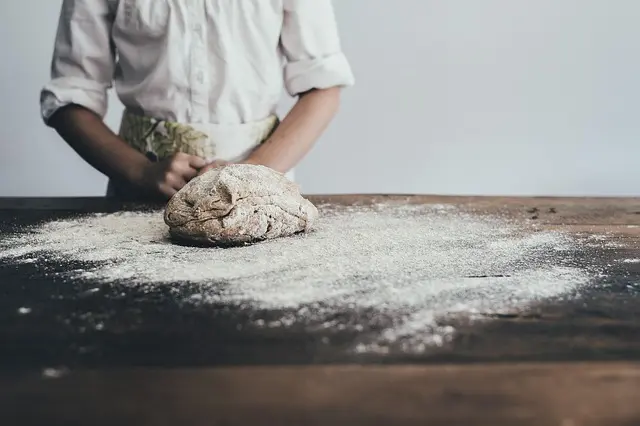
Baking is a science where precise measurements and temperatures play a critical role in achieving the desired outcome. Whether you're making bread, pastries, or cakes, understanding chemical reactions is essential. For example, baking soda requires an acid to activate its leavening properties, while baking powder has both acid and base included. As you explore the world of baking, familiarize yourself with common techniques like creaming and folding, which are pivotal for texture and volume in your baked goods.
5. Grilling: The Art of Cooking Over Fire
Grilling provides a unique flavor through the Maillard reaction, which gives grilled foods their distinctive taste. This method involves cooking food over an open flame or heat source, perfect for meats and vegetables alike. Essential tips include preheating the grill for even heat distribution and avoiding the temptation to flip the food too frequently. According to industry sources, achieving the perfect grill marks requires both patience and precision—qualities every chef should cultivate.
6. Blanching and Shocking: Maintaining Color and Texture
Blanching involves briefly boiling food, followed by plunging it into ice water to halt the cooking process. This technique is fundamental for vegetables, as it enhances color and retains nutrients while also preparing them for freezing. A common example is blanching green beans prior to freezing, which preserves their vibrant green color and crispness. Understanding this technique not only elevates plated dishes but also extends the shelf life of your ingredients and enhances overall meal prep efficiency.
7. Roasting: Enhancing Natural Flavors
Roasting is a dry cooking method that uses the oven to cook food evenly and intensify flavors. This technique works well for everything from vegetables to meats. The dry heat of the oven caramelizes the natural sugars in food, resulting in a rich flavor profile. An excellent way to roast vegetables is by coating them with olive oil and seasoning before placing them in a hot oven, allowing them to develop a beautiful caramelization. Aspiring chefs should experiment with roasting to appreciate its simple yet transformative nature.
8. Sous Vide: The Precision Cooking Revolution
Sous vide is a modern technique gaining traction, where food is cooked in a temperature-controlled water bath in a sealed bag. This method ensures precise temperature control, allowing for consistent results without overcooking. For instance, cooking steak sous vide leads to perfectly cooked meat from edge to edge. While sous vide equipment may be an investment, many chefs argue it is key to achieving professional-level results at home.
9. emulsifying: The Key to Sauces and Dressings
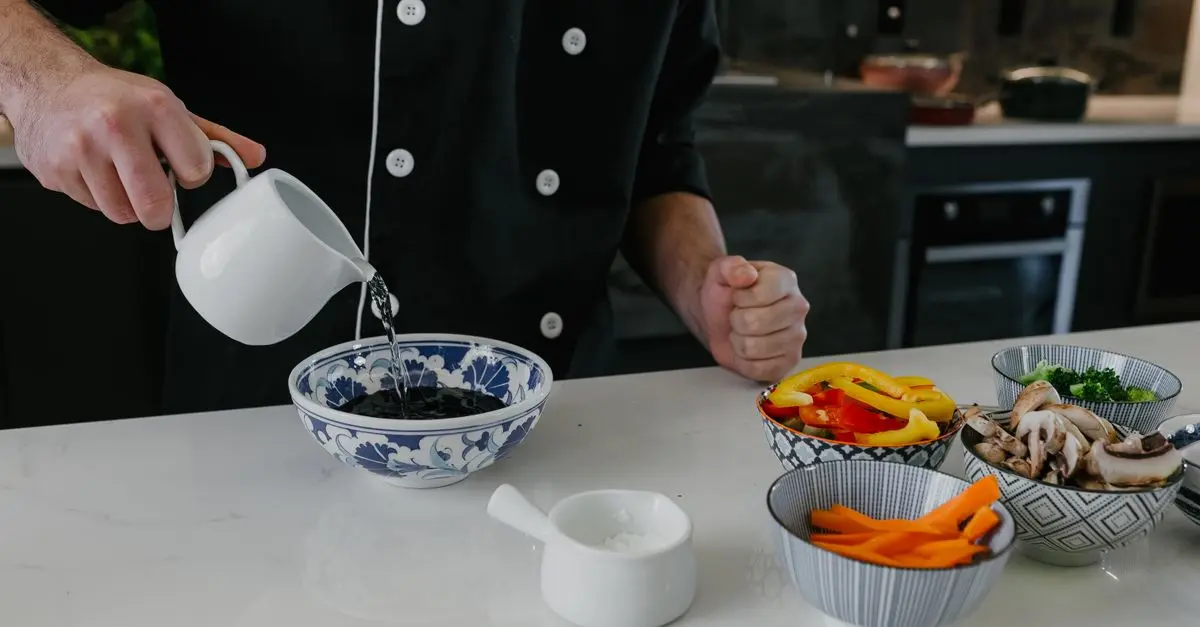
Emulsifying is the process of combining two liquids that typically do not mix, like oil and water. This technique is vital for creating salad dressings, sauces, and mayonnaise. For example, to create a vinaigrette, whisk together vinegar, mustard, and salt before slowly drizzling in oil to form an emulsion. Mastering emulsification can elevate your dishes and allow for endless flavor variations.
10. Check Your Seasoning: Balancing Flavors
A skill often overlooked by beginners, knowing how to properly season your dishes is essential. Seasoning enhances flavors, making a significant difference in the taste and overall perception of your food. Start by tasting your dishes throughout the cooking process and adjust your seasoning accordingly. Understanding the balance of salt, acid, sweetness, and heat can transform a bland meal into a delicious one.
11. Plating: Creating Visual Appeal
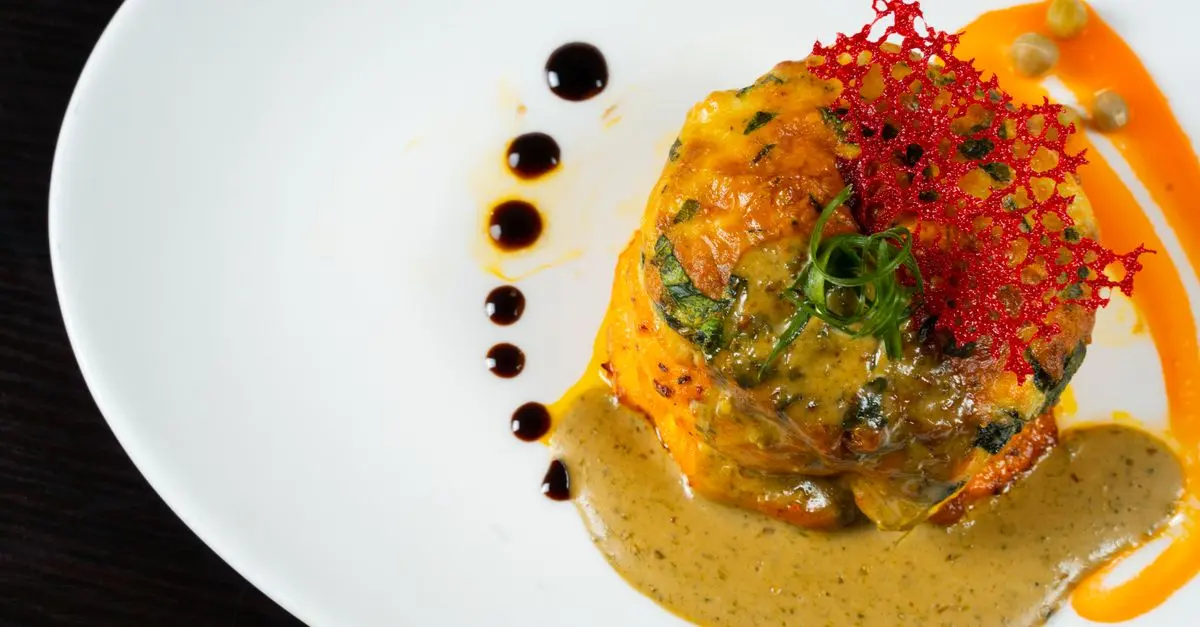
Plating is the final step in showcasing your culinary creations. It involves arranging food artfully on a plate to stimulate the senses visually. Critically, consider colors, shapes, and textures to create balance and harmony on the plate. A well-plated dish not only enhances the dining experience but also reflects the skill and thoughtfulness of the chef. Practice various plating techniques to refine your presentation skills.
12. Food Safety: The Unsung Hero
Finally, no chef should overlook food safety skills. Understanding proper cooking temperatures, sanitation practices, and food storage is paramount to prevent foodborne illnesses. Ensure your cooking area is clean, wash hands frequently, and use separate cutting boards for raw proteins and vegetables. Following food safety guidelines protects both you and your guests, making it an essential aspect of any chef's repertoire.
Checklist before You Begin:
- [ ] Master basic knife skills.
- [ ] Practice sautéing with various ingredients.
- [ ] Experiment with braising different meats.
- [ ] Explore baking and perfect a few recipes.
- [ ] Learn the fundamentals of grilling.
- [ ] Understand blanching and shocking techniques.
- [ ] Dive into roasting with seasonal vegetables.
- [ ] Experiment with sous vide cooking.
- [ ] Practice emulsifying sauces and dressings.
- [ ] Always check seasoning before serving.
- [ ] Refine your plating skills for visual appeal.
- [ ] Stay informed about food safety practices.
📺 Resource Video
> 📺 For more on these techniques: Essential Cooking Techniques for Aspiring Chefs, a comprehensive guide that walks you through various methods. Search on YouTube: essential cooking techniques for aspiring chefs 2026.
Glossary
| Term | Definition |
|---|---|
| Emulsifying | The process of combining two liquids that usually don’t mix, such as oil and vinegar. |
| Braising | A cooking method that involves both dry and wet heat to tenderize tougher cuts of meat. |
| Sautéing | A technique of cooking food quickly in a small amount of fat over relatively high heat. |
> 🧠 Quick Quiz: What cooking technique combines both dry and wet cooking methods?
> - A) Sautéing
> - B) Braising
> - C) Baking
> Answer: B — Braising uses both methods for optimal tenderness.
📺 Pour aller plus loin : essential cooking techniques for aspiring chefs 2026 sur YouTube