Table of Contents (29 sections)
The culinary world is vast and filled with endless possibilities. To embark on this journey, aspiring chefs must first master essential cooking techniques that will serve as the foundation for their future creations. This article will delve into fundamental techniques that can elevate your cooking skills and enhance your creativity in the kitchen.
1. Mastering Knife Skills
What Makes Knife Skills Essential?
Having proficient knife skills is crucial for any chef. The ability to cut, dice, and julienne ingredients not only offers precision but also enhances the presentation of dishes. A well-prepared dish has a story to tell, and it starts with how the ingredients are cut. Knife skills simplify cooking by enabling you to work faster and more efficiently.
Techniques to Practice
One of the most basic yet vital knife skills is the chopping technique. Using the claw grip, hold the ingredient with fingers tucked under, creating a stable grip while allowing your knife to glide safely against the knuckles. Practicing this technique can increase your cutting speed and improve your safety in the kitchen. You can also explore different cuts like brunoise (small cubes) or bias cuts (angled pieces) to elevate your dishes.
2. Mastering the Art of Sautéing
Understanding Sautéing
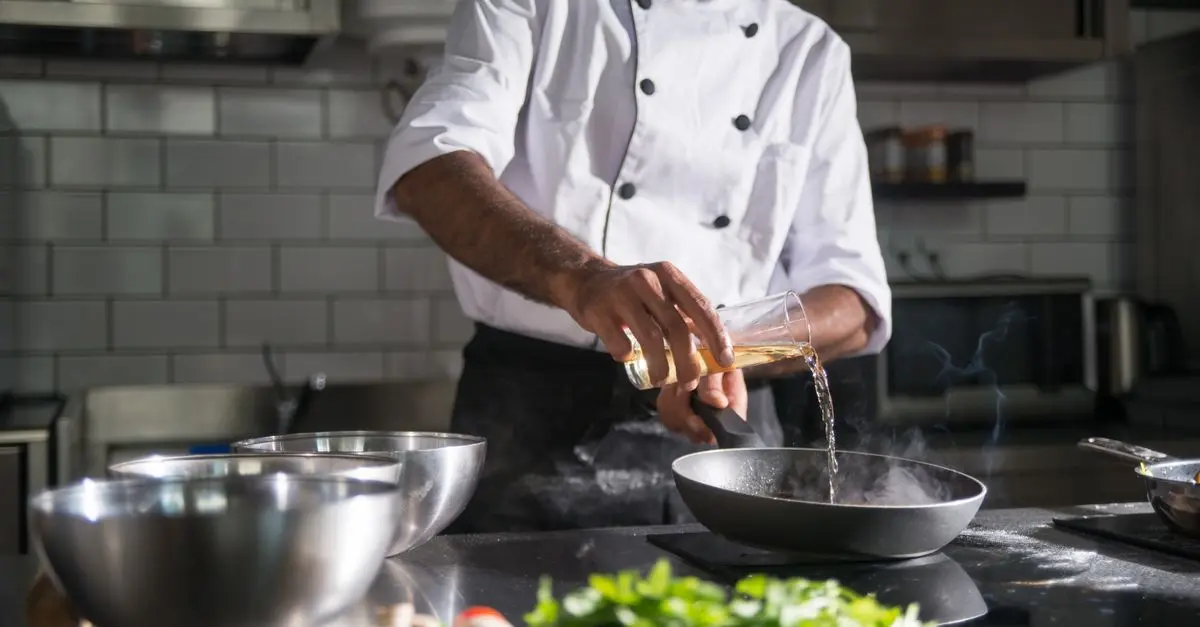
Sautéing is a fundamental cooking technique that involves quickly cooking food in a small amount of oil or fat over high heat. This method allows you to create vibrant flavors while retaining the integrity of the ingredients.
Steps to Sauté
To master sautéing, start by preparing your ingredients. Ensure they are uniform in size for even cooking. Heat oil in a pan until shimmering, then add your ingredients in batches to avoid overcrowding. Allow them to sear without moving them for a minute to develop color, and then stir occasionally until cooked through. This technique is great for vegetables, meats, and grains alike.
3. Exploring Roasting Techniques
Why Roast?
Roasting is a dry-heat cooking method that envelops food with hot air in an oven. It’s perfect for amplifying natural flavors, especially in vegetables and meats. Roasting can yield caramelization and browning, which adds to the complexity of the dish.
Roasting Guidelines
When roasting, choose non-stick or parchment-lined baking sheets for easy cleanup. Preheat your oven and season your ingredients properly. For vegetables, toss them in olive oil and season with salt, pepper, and herbs to achieve that ideal crunch and flavor. Statistically, well-roasted vegetables can increase their nutrient retention up to 30% compared to other cooking methods, according to studies from Nutritional Journal.
4. The Importance of Baking
Understanding Baking
Baking is both an art and a science. It requires precision in measurements and timing. Being familiar with common baking techniques can greatly enhance your culinary repertoire, introducing consistency and quality.
Key Techniques
To start baking, familiarize yourself with mixing methods—creaming, folding, and kneading. For instance, creaming butter and sugar helps incorporate air, giving your baked goods a light texture. Understanding how different ingredients interact—like how yeast works in bread or how acid balances sweets in cakes—will set you on the path to baking mastery.
5. The Science of Emulsifying
What is Emulsification?
Emulsifying is the process of blending two ingredients that typically don’t mix, such as oil and vinegar. This technique is essential for creating dressings, sauces, and mayonnaise. It ensures ingredients uniformly coat your dish, enhancing flavor and texture.
How to Emulsify
To achieve a proper emulsion, slowly drizzle oil into the vinegar while whisking vigorously. Utilize a blender for heavier sauces; this method introduces enough air to stabilize your emulsion. With practice, you can experiment with various ingredients like mustard or egg yolk, both of which help to stabilize the mix, allowing for a velvety finish.
6. Achieving Perfect Sous Vide
Understanding Sous Vide
Sous vide is a cooking method that involves vacuum-sealing food in a bag and cooking it to a very precise temperature in a water bath. This technique is highly regarded for its ability to cook food evenly and retain moisture, enhancing flavors more effectively than traditional cooking methods.
Implementing Sous Vide
To try sous vide, place seasoned food in a vacuum-sealed bag and set your immersion circulator to the desired temperature. Cook for hours—meats will be tender and juicy while maintaining ideal doneness. According to culinary experts, this technique can help reduce food waste by preserving the quality of leftovers.
7. The Art of Plating
Why Plating Matters
Plating is not merely for aesthetics; it can significantly influence a dining experience. Well-plated dishes can enhance the perception of flavors, prompting anticipation and excitement before the first bite.
Plating Techniques
Invest time in learning height, color, and negative space. For example, stack ingredients to create height and visually striking plates. Use contrasting colors to draw attention and ensure each component complements the others.
8. Understanding Braising
What is Braising?
Braising combines both dry and wet cooking methods, beginning with browning food followed by slow cooking in liquid. This technique is fantastic for tougher cuts of meat, allowing flavors to meld and the food to become tender over time.
Steps to Braise
Start by searing the meat in a hot pan. Transfer it to a pot, adding broth or wine, and cover for slow cooking. The slow, steady elevation of heat tenderizes the meat while infusing it with flavor. Studies have shown that slow-cooked meals are often more nutrient-rich as they preserve vitamins and minerals better than quick-cooking methods. Cooking methods like braising can retain up to 90% of nutrients.
📺 Resource Video
> 📺 For further exploration: Understanding Modern Cooking Techniques, a complete overview of essential techniques for budding chefs. Search on YouTube: essential cooking techniques for aspiring chefs 2026.
Glossary
| Term | Definition |
|---|---|
| Mise en Place | A French culinary phrase meaning 'everything in its place,' referring to the setup required before cooking. |
| Braising | A cooking method that involves both dry and wet heat, typically used for tougher cuts of meat. |
| Emulsification | The process of combining two liquids that normally separate, like oil and vinegar. |
Checklist before mastering cooking techniques
- [ ] Practice knife skills with different cuts.
- [ ] Experiment with sautéing various vegetables and proteins.
- [ ] Roast a variety of vegetables for texture contrast.
- [ ] Bake using different mixing and measuring techniques.
- [ ] Emulsify a range of dressings and sauces.
- [ ] Explore sous vide cooking with different proteins.
- [ ] Plate dishes to enhance visual appeal.
- [ ] Braise a tough cut of meat and note the flavor differences.
.
📺 Pour aller plus loin : essential cooking techniques for aspiring chefs 2026 sur YouTube