Table of Contents (14 sections)
Cooking is an art that combines science, creativity, and technique. For those aspiring to become chefs, mastering essential cooking techniques is crucial not only for career advancement but also for personal satisfaction in the kitchen. In this article, we explore the fundamental techniques that every chef should know, alongside practical tips and insights to elevate your cooking skills.
1. Knife Skills: The Foundation of Cooking
Knife skills are the cornerstone of culinary techniques. Knowing how to properly handle a knife can lead to improved safety and efficiency in the kitchen. From dicing onions to julienning carrots, mastering these skills is crucial. The basic cuts include:
- Chop: Roughly cutting ingredients into pieces.
- Dice: Cutting into uniform cubes.
- Mincing: Finely chopping, often garlic or herbs.
- Julienne: Cutting into thin matchstick shapes.
Increasing your proficiency will not only enhance your food presentation but also speed up your cooking process. Consider investing in a quality chef's knife to improve your technique.
2. Sous Vide: Precision Cooking
Sous vide is a method that involves cooking food in a vacuum-sealed bag immersed in a water bath at a precise temperature. This technique allows for greater control over the cooking process, resulting in perfectly cooked dishes that retain moisture and flavor. According to experts, sous vide cooking can be particularly beneficial for meats, as it achieves tenderness without overcooking. Begin with basic dishes such as sous vide steak or eggs to familiarize yourself with this impressive technique.

COOKING BOX Plancha a gaz PALMA - 4 feux - 10kW - 69x51x35 cm - Surface de cuisson: 62x35 cm - Noir
Aosom FR
3. Sautéing: Quick and Flavorful
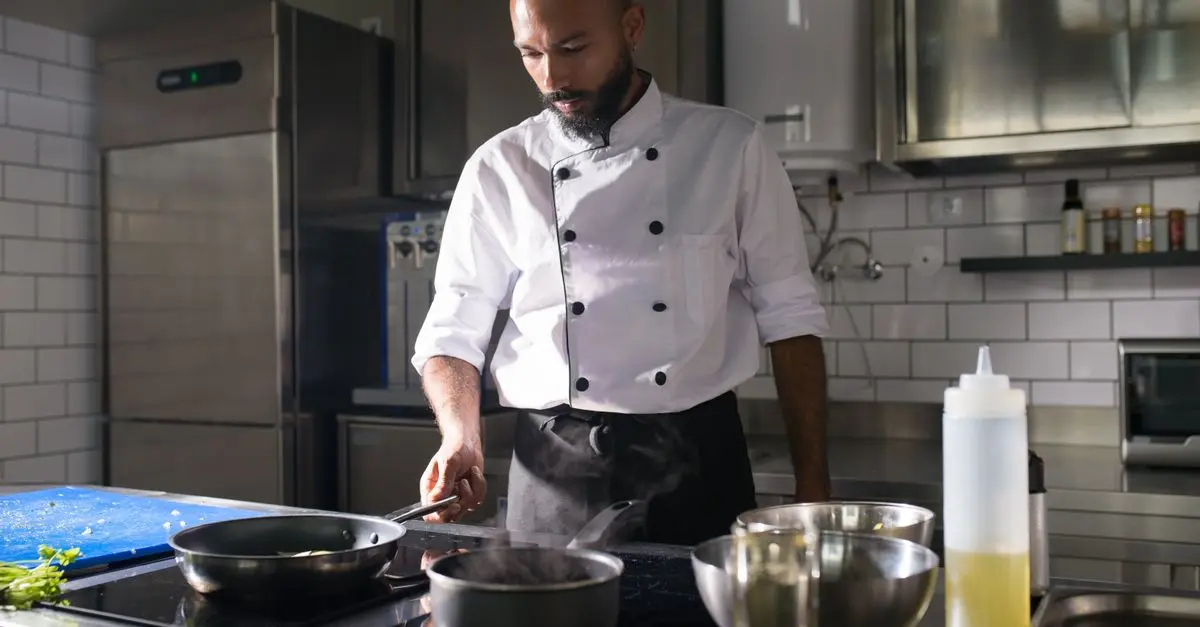
Sautéing involves cooking food quickly in a small amount of oil or butter over high heat. This technique is perfect for vegetables and smaller cuts of meat, as it captures flavors without compromising texture. A common mistake is overcrowding the pan; allowing adequate space ensures even cooking and browning. Start with aromatics like garlic and onions to build a base flavor, then add your main ingredients to achieve delicious results.
4. Baking and Pastry: Chemistry in the Kitchen
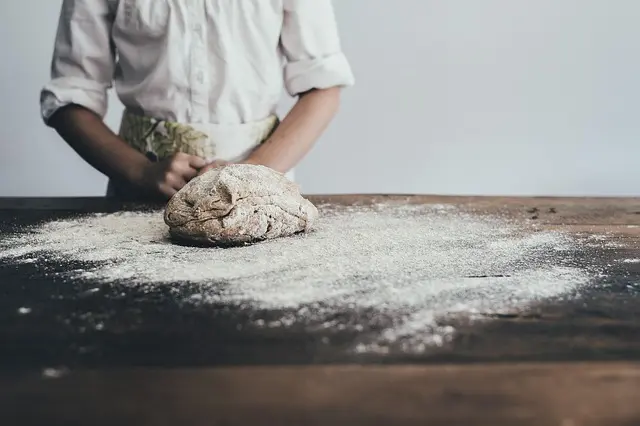
Baking is often seen as a precise science. Understanding ingredient interactions is key to mastering baked goods. Techniques such as creaming butter and sugar, folding egg whites, and kneading dough are essential for creating pastries and bread. Aspiring bakers should familiarize themselves with various methods and experiment with recipes to comprehend the art of baking. Remember that patience is key; baked products often improve with practice.
5. Roasting: Developing Flavor
Roasting involves cooking food in an oven with dry heat, enhancing flavors through caramelization. Vegetables and meats benefit greatly from this technique, as the high temperature allows sugars to brown, resulting in deeper flavors. To get started, choose a variety of vegetables—carrots, potatoes, and Brussels sprouts are great options. When roasting meat, aim for a perfect crust by searing it first on the stovetop. This technique not only infuses flavor but also creates an appealing presentation.
6. Grilling: The Art of Flame
Grilling adds a unique flavor to food through the charring process. This technique requires a good understanding of heat management, as different foods require different cooking times and methods. Indirect heat is advisable for larger cuts of meat, while direct heat works well for burgers and chicken. Practice different marinades and rubs to discover incredible flavor combinations. Grilling during outdoor events can also create memorable culinary experiences.
7. Steaming: A Healthy Alternative
Steaming is one of the healthiest cooking methods available. It preserves nutrients that might be lost during boiling. Vegetables are best suited for this technique but fish and dumplings can also be steamed for remarkable texture and flavor. Investing in a bamboo steamer or using a steamer insert enhances your kitchen's versatility while promoting healthy eating habits. Experiment with herbs in the water to infuse subtle flavors into your steamed dishes.
8. Plating: Presenting Your Masterpiece
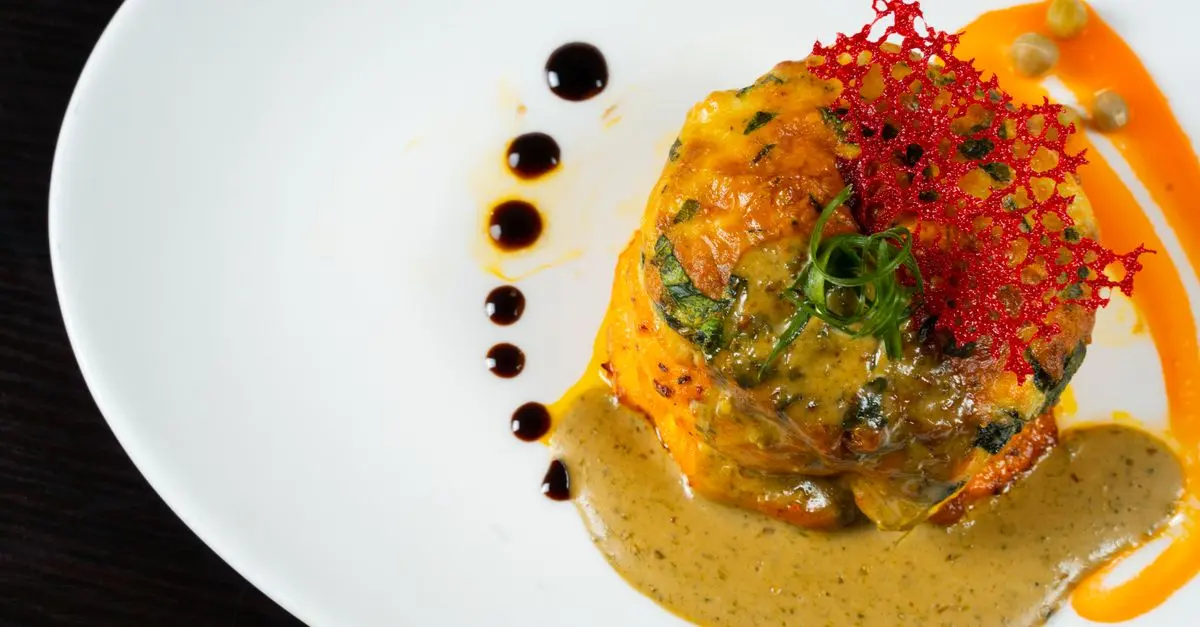
Good plating techniques enhance the visual appeal of dishes. Selecting the right dishware, playing with colors, and arranging food artfully creates an inviting presentation. Techniques like layering, stacking, and using sauces can elevate even simple dishes. Remember that first impressions matter in culinary experiences—consider practicing plating your finished dishes to gain confidence.
Comparison Table of Cooking Techniques
| Technique | Best for | Advantages | Disadvantages |
|---|---|---|---|
| Knife Skills | All cuisines | Essential for safety and efficiency | Requires practice |
| Sous Vide | Meats, eggs | Precise control over cooking | Need special equipment |
| Sautéing | Quick meals, veggies | Quick, enhances flavor | Overcrowding can ruin dish |
| Baking | Pastries, bread | Chemistry creates structured flavors | Time-consuming, requires precision |
| Roasting | Vegetables, meats | Develops rich flavors | Can be easy to overcook |
| Grilling | Outdoor cooking | Distinct flavor from char | Weather dependent |
| Steaming | Vegetables, fish | Preserves nutrients | Can be bland without seasoning |
| Plating | Presentation of dishes | Enhances dining experience | Requires creativity and practice |
Conclusion
Mastering these essential cooking techniques is the first step in your culinary journey. As you develop your skills, remember that practice is vital. Whether cooking for yourself, friends, or professional guests, each technique you master will enhance your culinary repertoire. To aid your progress, we’ve selected several products suited for aspiring chefs—you’ll find our recommendations below.
Checklist before Cooking
- [ ] Master basic knife skills
- [ ] Experiment with sous vide cooking
- [ ] Practice sautéing techniques
- [ ] Try baking different pastries
- [ ] Roast various vegetables and meats
- [ ] Perfect grilling methods
- [ ] Steam vegetables to retain nutrients
- [ ] Focus on plating aesthetics
Glossary
| Term | Definition |
|---|---|
| Sautéing | Cooking food quickly in a small amount of fat over high heat. |
| Sous Vide | A method of cooking food in vacuum-sealed bags in a water bath at precise temperatures. |
| Caramelization | The process of browning sugar, crucial for flavor development in roasted foods. |
📺 Resource Video
For an in-depth visual tutorial on essential cooking techniques, search for “culinary techniques for chefs” on YouTube.
🧠 Quiz rapide: What is the primary benefit of sous vide cooking?
- A) Fast cooking
- B) Nutrient retention
- C) Precise temperature control
Réponse : C — Sous vide cooking allows for precise temperature control, which enhances flavor and texture.
📺 Pour aller plus loin : culinary techniques for chefs sur YouTube
Recommended products
Selected by our experts
COOKING BOX Plancha a gaz PALMA - 4 feux - 10kW - 69x51x35 cm - Surface de cuisson: 62x35 cm - Noir
Aosom FR
A reliable gas plancha is essential for grilling and sautéing, allowing chefs to cook efficiently and achieve great flavors.
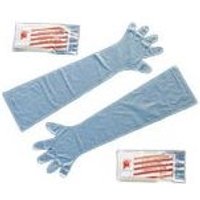
Gants zootechniques El.Cm85 50Pcs
DocMorris FR (ex DoctiPharma FR)
Quality gloves are necessary for safe food handling, ensuring cleanliness and hygiene in the kitchen.
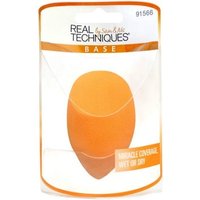
Eponge d'application Real Techniques 1pc
DocMorris FR (ex DoctiPharma FR)
An application sponge can help in achieving a smooth texture for sauces and batters, essential for perfect baking.