Table of Contents (15 sections)
Introduction
In the kitchen, mastering key culinary techniques is essential for every aspiring chef. These techniques provide a solid foundation, enabling cooks to create a variety of dishes while ensuring quality and safety. In today’s evolving culinary landscape, understanding these fundamental skills not only enhances your cooking abilities but also helps you communicate effectively in the kitchen environment. From slicing and dicing to flavor enhancement and presentation, mastering these skills can set you apart and ensure your cooking becomes a blend of art and science.
Knife Skills
Good knife skills are crucial for any chef. Precision cutting techniques, such as julienne, brunoise, and chiffonade, not only improve the presentation of your dishes, but also affect cooking times and flavor release. Start by investing in a quality chef's knife and practice proper grip and cutting techniques to enhance safety and efficiency. An average chef can improve their prep time by up to 30% by mastering fundamental knife skills. Remember, with the right technique, cutting vegetables becomes as smooth as slicing butter.
Cooking Methods
Understanding various cooking methods opens up a world of possibilities in the kitchen. Technique categories include dry heat cooking (like baking or grilling) and moist heat cooking (such as boiling or poaching). Mastering these methods, along with when and how to use them, allows you to achieve the perfect texture and flavor in your dishes. For example, searing a piece of meat enhances flavor through the Maillard reaction, while slow cooking effectively tenderizes tougher cuts.
Flavor Building
Creating great dishes ultimately relies on how well you can build flavors. This includes understanding the balance of seasonings and layering flavors throughout the cooking process. Start with a base like onions and garlic, and introduce spices at varied stages to develop complexity. Cooking schools often emphasize that adjustments made throughout the cooking can refine the end result significantly, making flavor building one of the chef's greatest tools.
Food Safety
Food safety is paramount in the kitchen. Understanding how to properly handle and store ingredients can prevent foodborne illnesses and ensure quality. This involves learning about cross-contamination, the importance of sanitization, and proper cooking temperatures. According to the U.S. Food and Drug Administration (FDA), correct food handling practices can reduce the risk of foodborne diseases by over 50%—a crucial statistic for aspiring chefs aiming for a healthy kitchen environment.
Presentation Techniques
The visual appeal of a dish can greatly affect the perception of flavor. Techniques in presentation can include color contrast, using garnishes, and strategic placement on the plate. This aspect of culinary art not only delights the eye but also contributes to the overall dining experience. Background knowledge on how to use height, symmetry, and plate choice effectively can transform a standard dish into an impressive centerpiece.
Baking Basics
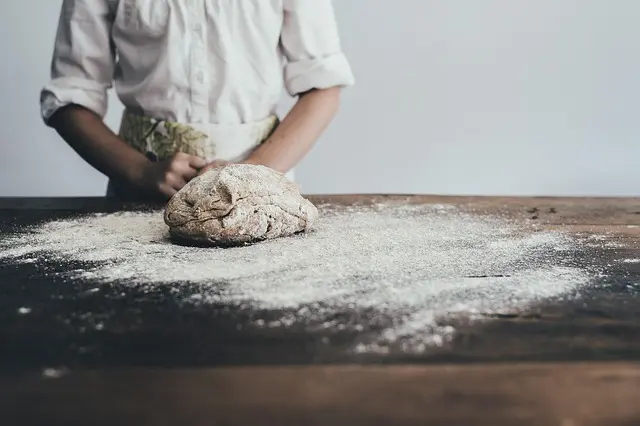
Baking is a science that requires precision, especially in terms of measurements and temperatures. Understanding the importance of ingredients such as flour types, yeast activation, and oven temperatures can make or break your baked goods. A typical beginner baker often sees a 40% improvement in results after mastering these basics, leading to consistent outcomes in breads, pastries, and cakes.
Sauce Making
Learning to create sauces elevates your culinary skills immensely. Sauces can enhance flavor and complement dishes beautifully. Classic sauces such as béchamel or hollandaise can be adapted for countless recipes. Aiming to create sauces from scratch helps you understand the principles of emulsification and reduction, essential techniques that many top chefs swear by, especially in French cuisine.
Plating Skills
The way food is presented plays a significant role in how it is perceived by diners. Techniques like using squeeze bottles for sauces or arranging components in a vertical stack can enhance visual appeal. Additionally, experimenting with different plating styles allows you to find your personal aesthetic as a chef. Research shows that well-plated meals can enhance diner satisfaction by as much as 25%.
Herbs and Spices Mastery
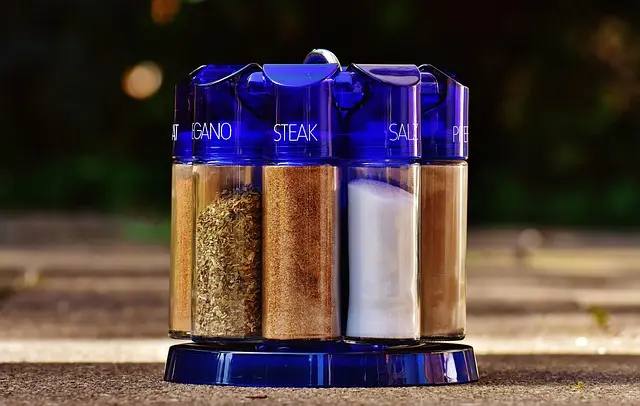
Herbs and spices are essential for enhancing flavors, yet they require understanding to use effectively. Knowledge of which herbs and spices complement specific dishes can transform the mundane into an extraordinary meal. Mastery includes knowing when to use fresh versus dried herbs, as well as their storage and preparation methods. For example, adding fresh herbs at the end of cooking preserves their bright flavors, while dried herbs are often more potent at the beginning.
Checklist of Techniques
- [ ] Master basic knife cuts
- [ ] Understand various cooking methods
- [ ] Practice flavor layering techniques
- [ ] Implement food safety measures
- [ ] Learn presentation techniques
- [ ] Develop baking skills
- [ ] Experiment with sauce making
- [ ] Apply plating techniques
- [ ] Gain knowledge of herbs and spices
Q1: What are the basic knife skills every chef should know?
A1: Every aspiring chef should master basic cuts such as the chop, dice, julienne, and chiffonade for effective food preparation.
Q2: Why is food safety important in the kitchen?
A2: Food safety practices prevent foodborne illnesses and ensure the health and well-being of those consuming the meals.
Q3: How can I improve my dish presentation?
A3: To enhance presentation, focus on color contrast, use height, and strategically arrange food on the plate to make it visually appealing.
Q4: What are the key elements of flavor building?
A4: Flavor building involves layering ingredients at different cooking stages, understanding contrasts, and using seasonings wisely to create a harmonious taste.
Glossary
| Terme | Définition |
|---|---|
| Culinary Techniques | Skills and methods used in cooking to prepare dishes effectively. |
| Mise en Place | French term for having all ingredients measured, cut, peeled, grated, etc., before starting to cook. |
| Emulsion | A mixture of two liquids that normally do not mix, such as oil and vinegar. |
📺 Resource Video
> 📺 For further insight: Watch our in-depth tutorial on mastering culinary techniques. Search on YouTube: essential culinary techniques every aspiring chef.
📺 Pour aller plus loin : essential culinary techniques every aspiring chef sur YouTube