Table of Contents (14 sections)
Becoming a skilled chef involves more than just mastering cooking techniques; it requires familiarity with a vast array of ingredients that can elevate any dish. This article delves into the essential ingredients for chefs, offering a curated list that every aspiring cook should know. Understanding these ingredients will not only improve your culinary skills but will also allow you to experiment confidently in the kitchen.
1. Fresh Herbs: Nature's Flavor Bombs
Fresh herbs are an indispensable element in any chef's arsenal. They can transform a simple dish into something extraordinary with just a sprinkle. From parsley and basil to thyme and rosemary, the variety of flavors they add is boundless. For instance, basil is perfect for Italian dishes, while cilantro is essential for many Mexican and Asian recipes. According to studies, meals infused with herbs can also contain antioxidants that benefit overall health. Mastering the art of incorporating fresh herbs can significantly enhance your dishes and impress your guests.
2. Quality Olive Oil: The Foundation of Flavor
Extra virgin olive oil is a staple in kitchens around the world. It serves as an excellent base for dressings, marinades, and sautéing. The flavor profile of olive oil also varies by region and type, making it a versatile ingredient. A high-quality extra virgin olive oil can enhance the taste of a salad or be the finishing touch to a grilled vegetable dish. Learning to select and use olive oil effectively is crucial for any chef.


3. Salt: The Ultimate Enhancer
Often overlooked, salt plays a critical role in cooking. Not only does it season food, but it also enhances flavors, thereby transforming dishes entirely. The two main types of salt used in culinary practices are kosher salt and sea salt, each having its unique characteristics and flavor profiles. A common rule among chefs is to taste as you cook and adjust salt levels accordingly—this can make all the difference in the final dish.
4. Fresh Produce: The Backbone of Nutrition
Fruits and vegetables are essential for both flavor and nutrition. Familiarity with seasonal produce can elevate your cooking and offers endless creative possibilities. For instance, understanding when to use ripe tomatoes versus canned can greatly affect the taste of your sauces. Chefs should also know how to incorporate a variety of colors on the plate, as this not only looks appealing but aligns with nutritional guidelines as well. Embracing fresh produce ensures that each dish is both delicious and healthy.
5. Quality Proteins: Building Block of Meals
Understanding different types of proteins is essential for any aspiring chef. Whether you’re working with meats, fish, or plant-based alternatives like tofu and legumes, knowing the best methods for preparation and flavoring can set a chef apart. For example, marinating chicken overnight can significantly enhance its flavor and tenderness. Additionally, being aware of how to cook proteins to the correct temperature is crucial in safeguarding both flavor and health.
6. Spices: Bold Flavor in Small Packages
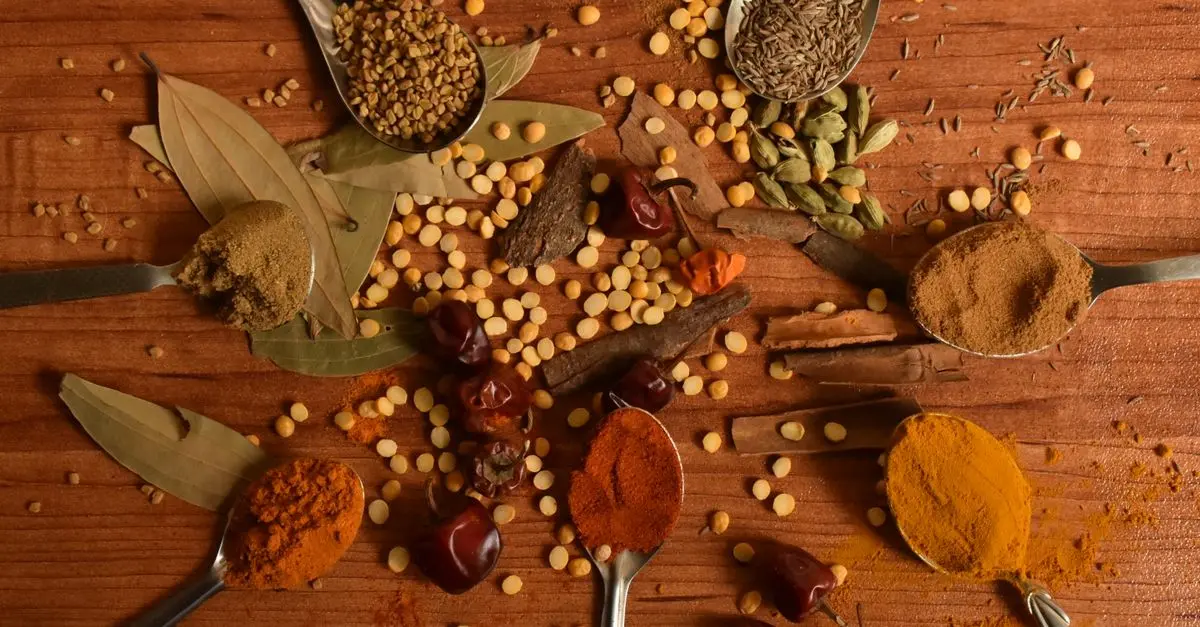
Spices offer bold flavors and can turn the simplest of dishes into tantalizing masterpieces. Mastering a range of spices such as cumin, paprika, and turmeric can open a chef’s world to international cuisines. Spice blends like garam masala or Italian seasoning can also save time and simplify the cooking process. Learning how to combine spices effectively is key to creating signature dishes that reflect a chef's style.
7. Homemade Stocks: The Secret to Depth
A rich, homemade stock can be the foundation for soups, sauces, and numerous recipes. Understanding how to create a good stock from scratch not only enhances flavor but also allows chefs to control the quality of ingredients used. Stocks can add a depth of flavor that store-bought alternatives often lack. Spending time perfecting your stock-making technique can significantly elevate your culinary creations.
8. Grain and Pasta: Carbs that Delight
Grains and pasta serve as the base for countless dishes around the world. From quinoa and rice to traditional pasta, mastering how to cook and elevate these staples is essential. For example, learning how to properly cook risotto can create a creamy dish that impresses diners. Understanding the different varieties—like whole grain versus white, or traditional pasta versus gluten-free options—ensures a chef can accommodate various dietary needs and preferences.
9. Dairy Products: The Cream of the Crop
Dairy products, including cheeses, butter, and milk, add richness and flavor to many recipes. Knowing the characteristics of different cheeses, for instance, can elevate a simple pasta dish or salad. From the sharpness of cheddar to the creaminess of mozzarella, each cheese has its application. Learning to incorporate dairy effectively is a key skill for any chef.
10. Acids: The Brightener of Flavors
Using acidic ingredients such as lemon juice, vinegar, or wine can brighten flavors and create balance in your dishes. For instance, a drizzle of balsamic vinegar over roasted vegetables can enhance their natural sweetness. Understanding how acids interact with other ingredients to achieve a well-rounded flavor profile can significantly elevate the dish's final presentation.
Conclusion
Mastering these essential ingredients for chefs is crucial for anyone aspiring to cook professionally. Not only do they provide the necessary foundation for flavor, but they also encourage creativity and experimentation in the kitchen. As you embark on your culinary journey, remember to embrace the essence of these ingredients.
Checklist before you cook:
- [ ] Ensure you have fresh herbs on hand
- [ ] Stock up on quality olive oil
- [ ] Taste and adjust salt levels as you cook
- [ ] Select seasonal fresh produce
- [ ] Choose quality proteins for your meals
- [ ] Experiment with a variety of spices
- [ ] Make homemade stock for flavor depth
- [ ] Cook grains and pasta properly
- [ ] Incorporate various dairy products
- [ ] Use acids to brighten flavors
Glossary
| Terme | Définition |
|---|---|
| Umami | Cinquième saveur, souvent décrite comme savoureuse, présente dans des aliments comme les tomates et le fromage. |
| Mise en Place | Préparation et organisation des ingrédients avant la cuisson. |
| Tartare | Préparation à base de protéines crues finement hachées, souvent servie avec des sauces. |
> 📺 Pour aller plus loin : How to Use Fresh Herbs in Cooking, une analyse complète de l'utilisation des herbes fraîches. Recherchez sur YouTube : "how to use fresh herbs in cooking 2026".
📺 Pour aller plus loin : how to use fresh herbs in cooking 2026 sur YouTube
Recommended products
Selected by our experts
Lacer Pasta Dentrifies Natural Ingredients
DocMorris FR (ex DoctiPharma FR)
Natural ingredients in your pasta can enhance the overall taste, making it a staple for any chef.
Samsung Essential Monitor S3 S39GD 27" LCD Full HD 4 ms Noir
Topbiz FR
A quality monitor can help you keep track of recipes and cooking videos while you cook.
Nettoyant moussant Essential Face Wash - 50 ml - Comfort Zone
Blissim FR
A clean and efficient workspace is crucial for cooking; this essential face wash is perfect for keeping your kitchen area clean.