Table of Contents (12 sections)
Becoming a skilled chef requires more than just passion for cooking; it demands a set of essential techniques that ensure quality, efficiency, and presentation in the kitchen. Whether you’re an aspiring culinary artist or someone looking to elevate their home cooking game, mastering these techniques can set you on the path to success.
1. Knife Skills: The Foundation of Cooking
Knife skills are arguably the backbone of culinary techniques. Being proficient with a knife not only improves efficiency but also enhances safety in the kitchen. The ability to chop, dice, julienne, and mince ingredients accurately can lead to better cooking results and an overall more enjoyable cooking experience.
Important techniques include:
- The proper grip: Holding the knife correctly allows for better control and precision. Use your thumb and the side of your index finger for a sturdy grip while wrapping your remaining fingers around the handle.
- Cutting techniques: Mastering different cuts, such as chiffonade for leafy vegetables or Brunoise for small diced vegetables, is essential for recipe accuracy and presentation.
- Knife care: Knowledge of how to maintain your knives, including honing and sharpening, will prolong their lifespan and effectiveness.
Investing time in honing your knife skills can significantly enhance your confidence and efficiency in the kitchen.
2. Cooking Methods: Mastering the Basics
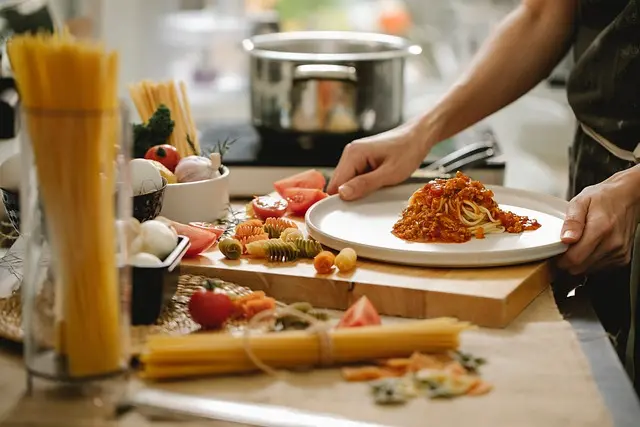
Understanding various cooking methods—roasting, grilling, sautéing, steaming, and frying—is critical for any chef. Each method imparts unique flavors and textures to your dishes, and knowing when to apply each technique will elevate your culinary repertoire.
For instance:
- Sautéing: This method is quick and retains the color and nutrients of vegetables while imparting a caramelized flavor.
- Roasting: A technique suitable for meats and vegetables that develops deep flavors through the Maillard reaction.
- Steaming: This is a healthy method that preserves nutrients and moisture.
By mastering these techniques, you can adapt recipes to fit your personal style and the ingredients available, making you a versatile chef.
Commercial CHEF Coffee Maker, Drip Coffee Maker with Pour Over Filter, White
bedbathandbeyond.com

3. Flavor Development: Balancing Ingredients
A key skill for any chef is understanding flavor combinations and how to balance them effectively. Knowing how to enhance the natural flavors of individual ingredients, while also combining them to create complex profiles, is an art.
- Seasoning: Learning when and how much salt or acid (like lemon juice or vinegar) to add at different stages of cooking can change the trajectory of a dish entirely.
- Herbs and spices: Familiarity with various herbs and spices, their profiles, and best uses will allow you to customize and innovate your dishes.
- Umami and acidity: Recognizing the role of umami and how to pair ingredients to bring out acidity will help in creating a well-rounded dish.
Developing your palate through experimentation is essential for mastering flavor development.
4. Plating Techniques: An Art in Itself
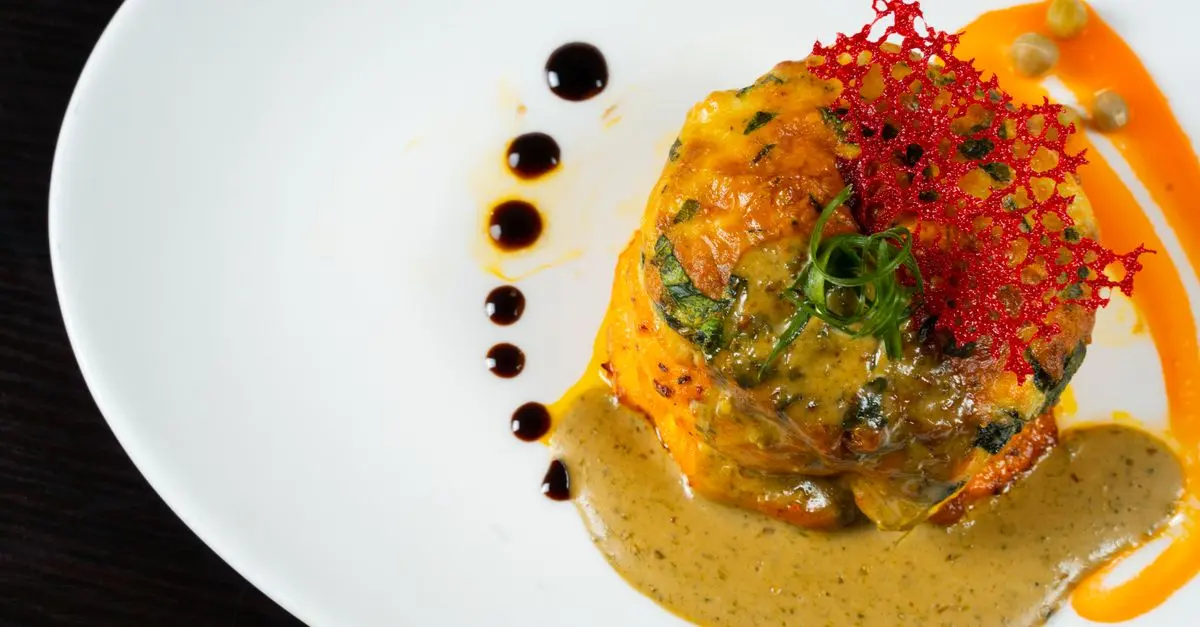
Presentation is the last step in the journey of cooking, and knowing how to plate a dish can transform a simple meal into a restaurant-worthy experience. Techniques include:
- Color contrast: Using a range of colors can make your plate more appealing and inviting.
- Height and layers: Adding height makes your dish visually interesting. Consider stacking components or using molds.
- Garnishing: Simple garnishes, like microgreens or a drizzle of sauce, can elevate your dish's appearance.
Mastering plating techniques enhances the dining experience, creating a visual feast that complements the taste.
5. Baking Basics: Science Meets Art
Baking may be seen as a separate culinary skill, but understanding its fundamentals is invaluable. Key aspects include:
- Measuring: Precision is essential in baking. Using a scale for ingredients can lead to more consistent results.
- Understanding reactions: Know the science behind leavening agents, such as baking powder and yeast, to manipulate textures.
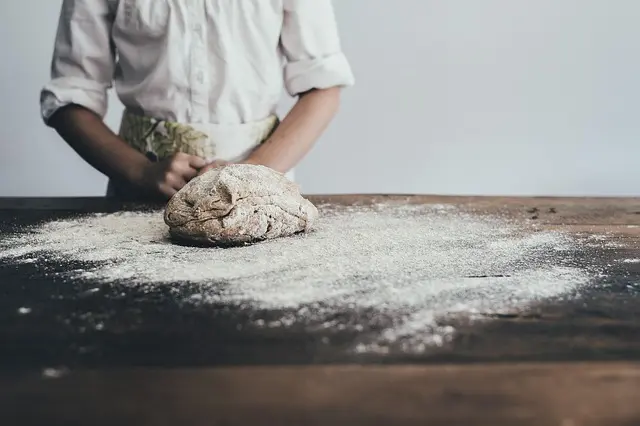
- Technique: Skills like folding, creaming, and kneading are pivotal for success in baked goods.
A strong grasp of baking can expand your culinary capabilities, allowing you to create a wide array of dishes.
6. Time Management: The Unsung Skill
Time management in the kitchen is as critical as any cooking technique. Learning how to prioritize tasks and sequence them effectively will boost your efficiency.
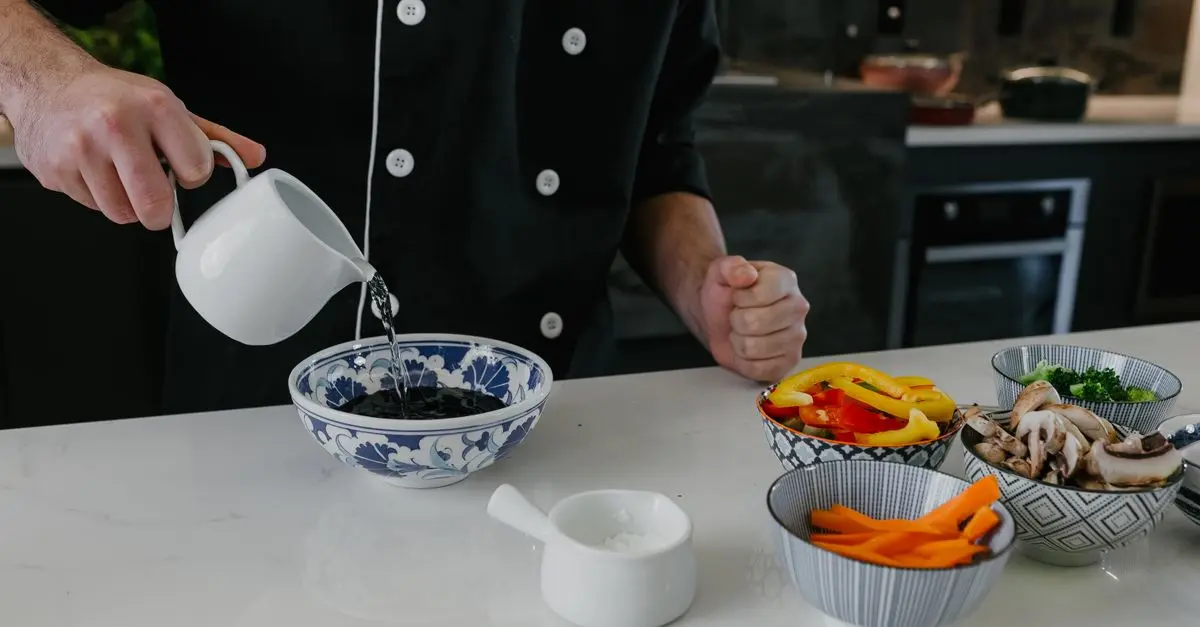
- Mise en place: Prepare and organize all ingredients before you start cooking to streamline the process.
- Timing: Understanding how long different components take to cook will prevent dish mishaps and ensure everything is ready simultaneously.
- Adaptability: Being flexible and ready to adjust when delays occur is essential for maintaining flow in the kitchen.
Effective time management allows for a smoother cooking experience.

Magic Chef - 1.7 Cubic Feet Top Load Compact Washing Machine with 6 Cycles - White
bestbuy.com
7. Food Safety and Sanitation: A Must-Know
Understanding the fundamentals of food safety and sanitation is non-negotiable for every chef.
- Food storage: Knowing the correct temperatures for storing different types of food can prevent foodborne illnesses.
- Cross-contamination: Learning how to avoid mixing raw and cooked foods will ensure health standards are met.
- Personal hygiene: Cultivating a clean working habit, like regular handwashing and maintaining clean surfaces, protects the food and those consuming it.
These skills are vital not only for professional environments but also for home cooks to prevent foodborne diseases.
8. Culinary Continuity: Lifelong Learning
Finally, mastering the role of a chef involves continuous learning. The culinary world is ever-evolving, introducing new techniques, trends, and innovations.
- Courses and Workshops: Enroll in culinary courses to expand your skill set.
- Networking: Connect with fellow chefs to exchange ideas and experiences.
- Experimentation: Daring to try new cuisines and techniques fosters growth and creativity.
By committing to lifelong learning, you ensure that your culinary skills remain fresh and relevant.
Checklist before starting your culinary journey
- [ ] Master basic knife skills
- [ ] Learn various cooking methods
- [ ] Develop flavor profiles
- [ ] Practice plating techniques
- [ ] Understand baking fundamentals
- [ ] Manage time effectively
- [ ] Prioritize food safety
- [ ] Commit to continuous learning
Glossary
| Term | Definition |
|---|---|
| Mise en place | A French culinary phrase meaning "everything in its place"; refers to the setup required before cooking. |
| Umami | A basic taste, often described as savory, derived from amino acids and nucleotides. |
| Leavening agent | A substance that causes dough or batter to rise, creating a light texture in baked goods. |
📺 Resource Video
> To go further: Fundamentals of Cooking Techniques, an in-depth analysis of essential skills every chef should master. Search YouTube for: essential cooking techniques for chefs 2026.
In summary, mastering these essential techniques will not only improve your skills as a chef but also enhance your overall culinary experience. Dive into the art of cooking with confidence, knowing that each step you take is a step towards culinary excellence.
🧠 Quick Quiz: What is the French term for having everything in its place before cooking?
- A) La cuisine
- B) Mise en place
- C) Sous vide
Answer: B — This term emphasizes the importance of organization in the kitchen.
📺 Pour aller plus loin : essential cooking techniques for chefs 2026 sur YouTube
Recommended products
Selected by our experts