Table of Contents (14 sections)
Culinary skills are more than just cooking; they encompass creativity, technique, and a dash of passion. Whether you're an aspiring chef or just want to improve your home cooking, mastering the fundamentals is essential. This article will guide you through essential tips that will elevate your culinary skills and help you become a proficient chef.
1. Master the Basics of Cooking
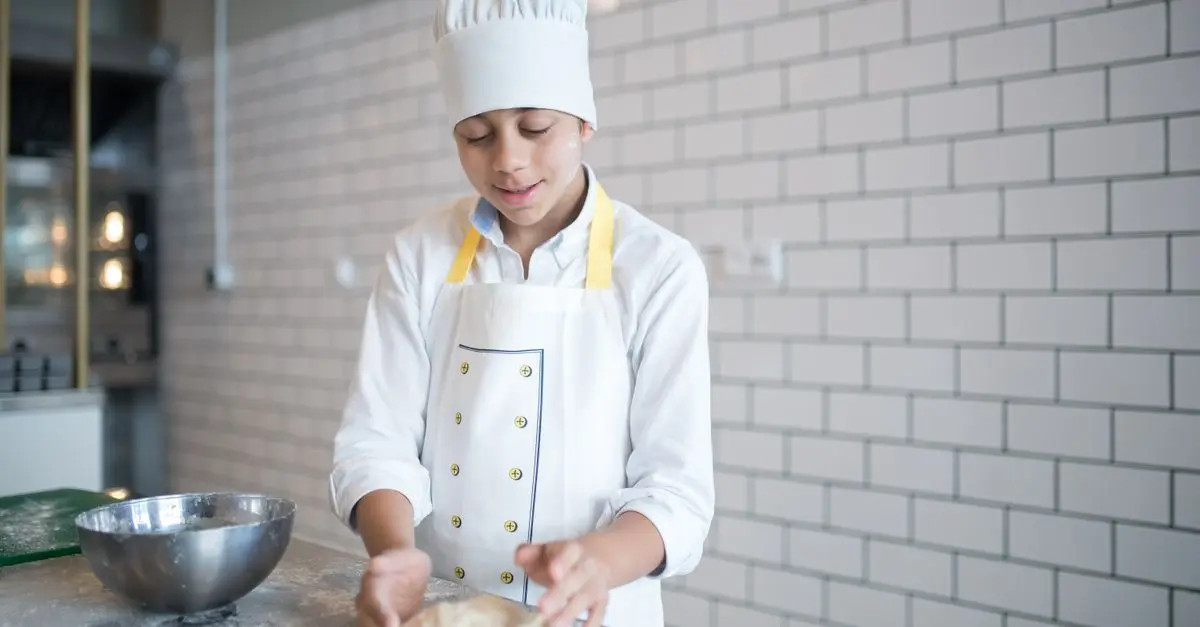
To truly excel in the kitchen, one must first master the basic cooking techniques. This includes knife skills, roasting, grilling, sautéing, and baking. According to culinary experts, practicing these fundamental skills builds a strong foundation that can be applied to any cuisine. For instance, learning the correct way to chop vegetables can drastically reduce your preparation time and improve your dishes' presentation. You can start with online tutorials or by enrolling in a local cooking class. Not only will you learn from experienced chefs, but you’ll also gain the confidence necessary to explore more complex recipes.
2. Utilize Fresh Ingredients
Using fresh, high-quality ingredients is a game-changer in cooking. When you choose seasonal produce, your meals not only become more flavorful but also healthier. A study published in the Journal of Food Science states that fresh ingredients can enhance the overall sensory experience of food, including taste, aroma, and texture. Visit local farmers’ markets to find organic vegetables and fruits that inspire your creativity in the kitchen. It's easier to build culinary skills when you're passionate about what you're working with.
3. Experiment with Techniques
Don't be afraid to step outside of your comfort zone. Trying out new cooking techniques can enhance your skills and knowledge. For example, methods such as sous vide, fermentation, or even molecular gastronomy can open new doors for creativity. Many chefs suggest starting small by incorporating one new technique into your weekly cooking. The excitement of mastering a new method not only increases your cooking repertoire but also makes meal preparation more enjoyable.
4. Develop a Flavor Profile
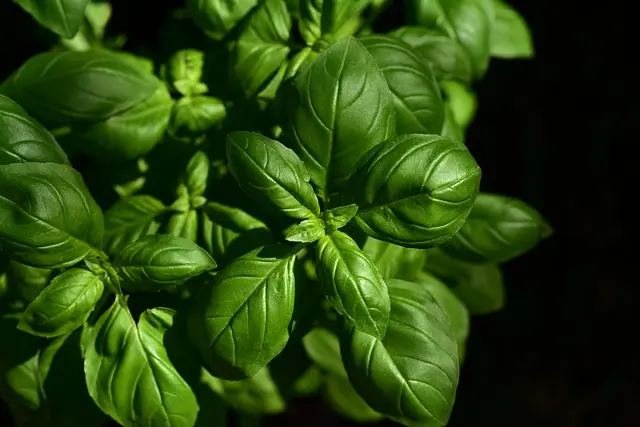
Understanding and building your personal flavor profile can significantly impact your cooking. This involves knowing how to balance sweet, salty, sour, and bitter elements in your dishes. According to food scientists, mastering these four fundamental flavors can lead to delicious and harmonious meals. Experimenting with herbs, spices, and even international cuisine can help you understand how these flavors work together. For example, adding fresh basil to tomato sauce can elevate its flavor, bringing a balance that is appreciated in Italian cuisine.
5. Keep a Cooking Journal
Tracking your cooking experiences can be incredibly beneficial. A cooking journal doesn't just help you keep track of recipes; it allows you to record your thoughts, adjustments, and outcomes while cooking. A study from the Culinary Institute of America suggests that reflective practice in cooking leads to improved skills over time. By noting what's successful and what isn't, you can refine your technique, leading to fewer mistakes and better results in the kitchen.
6. Learn from Mistakes
Every chef has experienced failures in the kitchen. The difference between an amateur and an expert is how they learn from these mistakes. Rather than getting discouraged, use cooking mishaps as learning experiences. Did your soufflé fall? Research the common reasons, and try it again. According to culinary educators, persistence is key. The more you learn from your mistakes, the more skilled you will become.
7. Join a Culinary Community
Connecting with fellow cooking enthusiasts can motivate you to improve your skills. Joining local cooking classes, online forums, or community groups can provide you with different perspectives and ideas. Many organizations host cooking challenges that can stimulate your creativity and provide constructive feedback. This collaborative environment allows you to exchange tips, gain insights, and ultimately inspire one another.
8. Invest in Quality Kitchen Tools
Having the right tools can make a significant difference in your cooking experience. While you don’t need to splurge on every gadget, investing in quality knives, pots, and pans will improve your efficiency and results. Culinary experts recommend starting with a chef’s knife, a cutting board, and a good non-stick pan as essential tools for any chef. Quality tools not only enhance your culinary skills but also bring joy to your cooking experience.
9. Embrace Cultural Cuisines
Exploring various cuisines can significantly enrich your culinary skills. Different cultures offer diverse cooking techniques and flavor profiles, and embracing these can deepen your culinary knowledge. For instance, learning how to make authentic Thai curry or a French béchamel sauce can expand your palate and skill set. By trying new cuisines, you can adapt these techniques and flavors into your own cooking, helping you establish a unique culinary identity.
10. Regular Practice is Key
As with any skill, consistent practice leads to improvement in culinary abilities. Set aside specific days for cooking and prioritize it as part of your routine. Consider trying new recipes or revisiting old ones but with different variations. Regular practice helps to embed the skills you’ve learned and makes cooking a more instinctual process over time. According to chefs, the more you cook, the more confident you become.
11. Take Culinary Classes
If you're serious about building culinary skills, consider enrolling in structured culinary classes. Professional chefs from culinary schools can provide expert guidance and structured learning that will push you to new levels. Programs vary from short workshops focusing on specific techniques to full-fledged culinary degrees. Learning in a formal environment prepares you for a potential career in the culinary arts, should that be your goal.
Glossaire
| Terme | Définition |
|---|---|
| Culinary Skills | Techniques related to cooking, food preparation, and flavor balancing. |
| Flavor Profile | The combination of tastes and aromas of a particular dish or cuisine. |
| Sous Vide | A technique of cooking food slowly in a vacuum-sealed bag immersed in water. |
Checklist avant achat
- [ ] Master the basic cooking techniques
- [ ] Use fresh ingredients for enhanced flavor
- [ ] Experiment with new culinary techniques
- [ ] Build your unique flavor profile
- [ ] Keep a cooking journal to track improvements
- [ ] Learn from cooking mistakes
- [ ] Join a culinary community for inspiration
- [ ] Invest in quality kitchen tools
- [ ] Explore various cultural cuisines
- [ ] Practice regularly to enhance your skills
📺 Pour aller plus loin: Watch this informative video on culinary techniques and cooking tips. Search for: expert cooking tips for beginners.
🧠 Quiz rapide: What is the most important aspect of building culinary skills?
- A) Experimentation
- B) Following recipes strictly
- C) Avoiding mistakes
Réponse : A — Experimentation leads to learning and development in cooking.
📺 Pour aller plus loin : expert cooking tips for beginners sur YouTube
Recommended products
Selected by our experts

JuzToys - STEM Toys Building Toys For Kids, Take Apart Excavator Truck Toys,Building Educational Toys Construction Kit
bestbuy.com

JuzToys - STEM Toys Building Toys For Kids, Puzzles Car Race Tracks, DIY Rail Car Toys Set, Educational Building Toy, Green/Red - Multi
bestbuy.com

JuzToys - STEM Toys Building Toys For Kids, 3-in-1 Take Apart Robot Toys Kit with Pretend Drill Screwdriver, Educational Toy - Red
bestbuy.com

JuzToys - STEM Toys Building Toys For Kids, Puzzles Car Race Tracks, DIY Rail Car Toys Set, Educational Building Toy, Yellow/Green - Multi
bestbuy.com

JuzToys - Kids Toys Cars, Construction Toys Race Tracks Playset, Track Set and Trucks Building Toy Educational Toys
bestbuy.com

JuzToys - STEM Toys Building Toys For Kids, Puzzle Race Tracks Airplane Toys, Educational Building Toy Puzzle, Blue/White - Multi
bestbuy.com