Table of Contents (12 sections)
Understanding and immersing yourself in different culinary cultures can profoundly shape your identity as a chef. The diverse flavors, techniques, and traditions from around the world not only enhance your cooking skills but also influence your creativity in the kitchen. In this article, we will explore various culinary cultures, detailing how they can inspire and define your cooking style and career aspirations.
1. The Rich History of Italian Cuisine
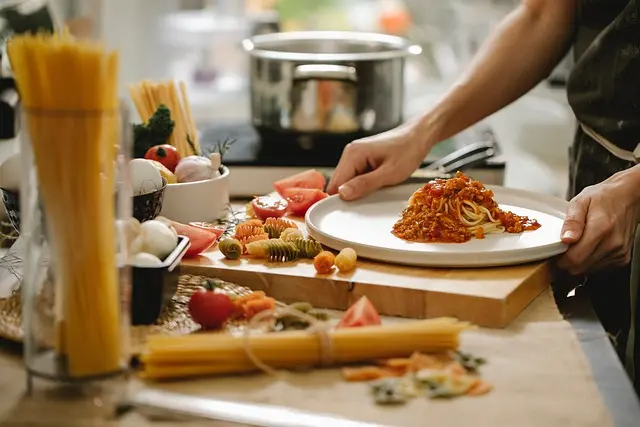
Italian cuisine is renowned for its regional diversity and rich historical roots. It emphasizes quality ingredients, simple yet flavorful preparation, and a deep connection to local traditions. From the aromatic dishes of Tuscany to the seafood delicacies of Sicily, every region tells a unique culinary story. As an aspiring chef, training in traditional Italian cooking can enhance your technique, particularly in pasta making and sauce creation. The global popularity of Italian food makes it a beneficial foundation for a culinary career. According to a study by Statista, Italy recorded approximately $58 billion in revenue in 2025 from its restaurant sector, highlighting the enduring appeal of this cuisine.
2. The Spice of Life: Understanding Indian Cuisine
Indian cuisine is a tapestry of flavors, textures, and cooking techniques across its diverse regions. Known for its use of spices, herbs, and meticulous cooking methods, mastering Indian cuisine can significantly broaden your culinary repertoire. Whether it's creating the perfect curry, experimenting with tandoori methods, or preparing colorful street food, Indian cooking emphasizes balance and harmony of flavors. Additionally, understanding food cultural practices, such as the role of food in festivals and family gatherings, can enhance your gastronomy knowledge. The growing global interest in Indian cuisine is evident, as a report from Nielsen indicates an increase in demand for Indian restaurants by 20% in 2025.
3. Japanese Culinary Techniques: Precision Meets Art
Japanese cuisine is often praised for its aesthetic beauty and precision. Techniques like sushi making, sashimi preparation, and fermentation are central to Japanese cooking. In your culinary journey, learning techniques from Japanese chefs can instill rigor and attention to detail, essential traits for any chef. Japanese culture highly values seasonal ingredients, reflected in their food presentation, and adopting such principles can also elevate your creativity. As the global market for Japanese cuisine continues to grow, recent trends show an increase of 15% year-on-year in sushi consumption according to Food & Beverage Trends 2026.
4. Exploring Mexican Cuisine: A Fusion of Tradition and Modernity
Mexican cuisine fuses indigenous ingredients and cultures with Spanish influences, creating vibrant and varied dishes. Techniques such as mole preparation, tortilla making, and slow-cooked meats can elevate your culinary skills. Understanding the history behind dishes such as tacos or enchiladas deepens your appreciation and allows you to innovate with traditional recipes. The National Restaurant Association reported a 25% growth in Mexican-inspired dishes in 2025, indicating a lucrative market for aspiring chefs.
5. The Diversity of Mediterranean Diet
The Mediterranean diet, rich in fruits, vegetables, whole grains, and lean proteins, is celebrated not just for its health benefits but also its rich culinary heritage. Understanding the regional differences—like Italian, Greek, and Middle Eastern cuisines—can provide you with a unique perspective. Dishes such as hummus, tabbouleh, and paella can serve as staples in your culinary cache, promoting not only health but also creativity through the use of fresh, seasonal ingredients.
6. The Bold Flavors of Thai Cuisine
Thai cuisine is characterized by its balance of sweet, sour, salty, and spicy flavors. As a future chef, learning to craft dishes like tom yum soup and pad thai can enhance your ability to build complex flavor profiles. Essential cooking techniques, such as stir-frying and blanching, can also be acquired through traditional Thai culinary training. The versatility of Thai ingredients has led to increased popularity, with Thai cuisine growing by 30% in major cities by 2026, capturing the attention of culinary enthusiasts worldwide.
7. The Influence of French Culinary Arts
French cuisine is often seen as the foundation of modern culinary arts. Techniques like sautéing, poaching, and pastry making were formalized in French cookbooks and remain fundamental in culinary education today. Mastering French cooking methods can refine your skills, making you more adept in various culinary styles. The significance of French culinary training is evident; around 90% of top chefs have at least some French culinary education, indicating its importance in professional kitchens.
8. Embracing African Culinary Traditions
African cuisines are rich in history, flavor, and diversity, with each country offering unique ingredients and cooking techniques. The use of spices, grains, and vegetables is prominent. As a chef, learning dishes like Moroccan tagines or Ethiopian injera can diversify your skills. Understanding how food plays a vital role in cultural identity and community can inspire you to create dishes with a narrative. The thriving African food scene has gained international recognition, with an increase in African restaurants by approximately 40% in urban areas, according to Global Culinary Trends 2026.
📺 Resource Video
📺 For further exploration: Discover the culinary secrets of Italian cuisine, a complete guide to making authentic Italian dishes. Search on YouTube: "authentic Italian cooking techniques."
Glossary
| Term | Definition |
|---|---|
| Culinary Culture | The shared practices, ingredients, and traditions defining a particular region's cuisine. |
| Fusion Cooking | A contemporary culinary style that blends elements from different cuisines. |
| Sous Vide | A method of cooking food in a vacuum-sealed bag at a precise temperature for an extended period. |
Checklist Before Starting Your Culinary Journey
- [ ] Choose a primary cuisine to specialize in.
- [ ] Explore culinary schools offering programs in your chosen cuisine.
- [ ] Experiment with traditional recipes from your culinary culture.
- [ ] Attend workshops or classes to hone your skills.
- [ ] Engage with local chefs to learn about cultural food practices.
🧠 Quick Quiz: What is the main focus of Japanese cooking?
- A) Sweet flavors
- B) Aesthetic presentation and precision
- C) Spicy ingredients
Answer: B — The precision and artful presentation of dishes are hallmarks of Japanese cuisine.
📺 Pour aller plus loin : authentic Italian cooking techniques sur YouTube