Table of Contents (12 sections)
Becoming a chef is more than just following recipes; it’s about harmonizing creativity with culinary techniques. This balance is critical for aspiring chefs looking to innovate while maintaining the standards of traditional cooking. In this guide, we will explore actionable steps to achieve this delicate equilibrium, ensuring chefs can express their individuality without sacrificing quality.
1. Understanding Creativity and Technique in Cooking
Creativity in the culinary arts often manifests as experimentation with flavors, textures, and presentation. Techniques, on the other hand, refer to the foundational skills acquired through training and practice. These include knife skills, cooking methods like sautéing and baking, and understanding food safety. According to UFC-Que Choisir, aspiring chefs must realize that mastering these techniques allows them the freedom to innovate. A chef with strong technical skills can adapt traditional recipes to create something unique without losing the essence of the dish.
To illustrate, consider a classic dish like spaghetti carbonara. An innovative chef might introduce elements like smoked salmon or truffle oil, but the classic technique of emulsifying egg and cheese remains vital to keep the dish creamy. Thus, understanding the basic technique empowers chefs to elevate classic dishes while imprinting their creativity.
2. Start with the Basics: Learn Core Techniques
Before diving into creative experiments, prospective chefs should focus on mastering essential techniques. This includes:
- Knife Skills: Precision in chopping and slicing can elevate the presentation of your dishes.
- Cooking Methods: Understanding how different heat applications affect food texture and flavor is crucial.
- Flavor Pairing: Familiarizing oneself with ingredients that complement each other sets the foundation for creative flair.
A structured approach to learning these skills—whether through culinary school, mentorship, or self-study—provides a framework for creativity. An often-overlooked tool in this process is daily practice. Setting aside time each day to refine these techniques allows for gradual improvement and confidence in the kitchen.
Tips for Self-Training:
- Watch tutorials from professionals or culinary schools on platforms like YouTube to see techniques in action.
- Cook with intent: Pick a basic dish and practice it multiple times, tweaking one ingredient or method each time.
- Keep a journal of your experiences, noting what works and what doesn’t, and reflect on how you can adjust.


3. Experimentation: Where Creativity Shines
Once you feel confident with your core techniques, it’s time to unleash your creativity. Start with small experiments such as:
- New Ingredient Substitutions: Swap traditional ingredients for more modern options, such as using quinoa instead of rice.
- Global Influences: Incorporate flavors from different cuisines, like adding Thai spices to a traditional Italian dish.
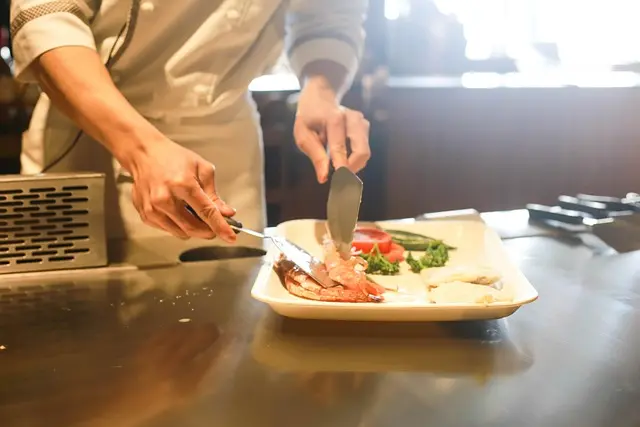
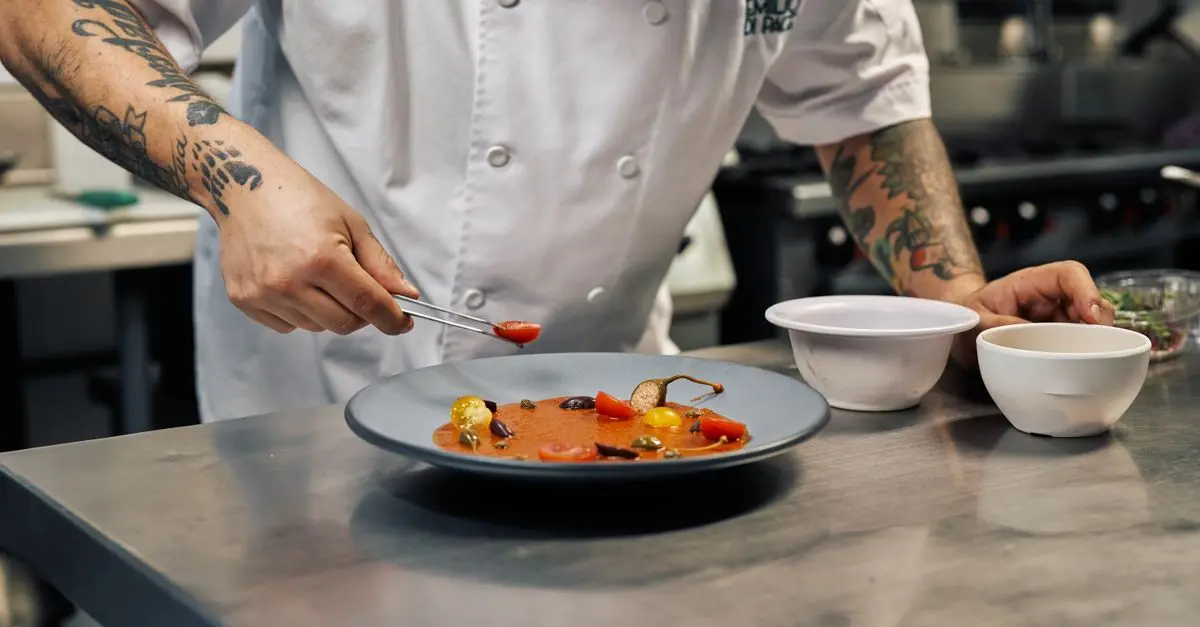
- Visual Presentation: Change how you plate your dishes; play with colors, shapes, and garnishes.
A crucial point while experimenting is to embrace failure. Professional chefs often share stories of dishes that didn’t turn out well. These missteps can lead to breakthroughs in creativity. It’s essential to analyze what went wrong, so memory anchors positive growth stemming from failure.
4. Structured Creativity: Setting Limits
While it may seem contradictory, setting boundaries can enhance creativity. Embracing certain constraints—like seasonal ingredients or specific cooking methods—can lead to innovative thinking. Culinary competitions frequently utilize this approach, challenging chefs to create exceptional dishes with limited resources. This method can help you focus your creative efforts and push your culinary boundaries safely.
Example of a Constraint-Based Challenge:
- Mise en Place: Create an entire dish using only ingredients that fit within one container.
- Time Constraints: Set a timer for cooking a meal. This can foster quicker decision-making and spur creativity under pressure.
This structured approach can cultivate discipline, making creativity feel more achievable and less overwhelming.
5. Continuously Evolve: Stay Inspired
To maintain the balance between creativity and technique, continuous learning and exposure to new ideas are crucial. Attend culinary workshops, read cookbooks from renowned chefs, and subscribe to culinary magazines. Networking with other culinary enthusiasts fosters an environment of inspiration and innovation.
Engaging in social media platforms like Instagram or TikTok can also provide insight into emerging culinary trends. Participating in food festivals or farmer’s markets keeps you connected to seasonal produce, encouraging your creativity to flow from fresh ingredients.
Checklist for Balancing Creativity and Technique
- [ ] Master basic knife skills.
- [ ] Practice fundamental cooking techniques consistently.
- [ ] Experiment with one new ingredient per recipe.
- [ ] Set creative constraints for challenge.
- [ ] Engage with the culinary community for inspiration.
Glossary
| Term | Definition |
|---|---|
| Culinary Technique | The methods and skills used to prepare food effectively. |
| Creativity in Cooking | The ability to innovate and transform traditional dishes through unique flavors and presentations. |
| Mise en Place | A French culinary phrase meaning 'everything in its place,' referring to the preparation and organization of ingredients before cooking. |
📺 Resource Video
> 📺 To go further: Exploring Creative Techniques in Cooking, a complete analysis of how to marry creativity with culinary skills. Search on YouTube: "how to enhance creativity in cooking 2026".
Conclusion
Balancing creativity and technique as a chef is an ongoing journey. By establishing a solid foundation in culinary techniques, aspiring chefs can freely explore their creative instincts. Continuous learning and adapting are critical, as you’ll often find inspiration in unexpected places. Remember to embrace the journey; your culinary path is uniquely yours.
💡 Expert Opinion: It is essential to maintain this balance. Even established chefs revisit basic techniques regularly to refine them. Keeping a mentality of growth is vital for long-term success as a chef.
📺 Pour aller plus loin : how to enhance creativity in cooking 2026 sur YouTube
Recommended products
Selected by our experts