Table of Contents (11 sections)
As a chef, striking the right balance between creativity and technique is essential. While technical skills provide the foundation for executing dishes flawlessly, creativity allows chefs to innovate and personalize their cooking style. This tutorial will guide you through practical strategies for harmonizing these crucial aspects of culinary arts.
1. Understanding the Importance of Creativity and Technique
Creativity in culinary arts involves exploring flavors and presentation while using technique to ensure the end product is delicious and appealing. According to a study by the Culinary Institute of America, chefs who balance both aspects create more memorable dining experiences. Mastering basic techniques, such as knife skills and cooking methods, is vital. These techniques serve as the tools that let creativity shine without compromising food quality.
2. Step-by-Step to Enhancing Creativity and Technique
Step 1: Master the Basics
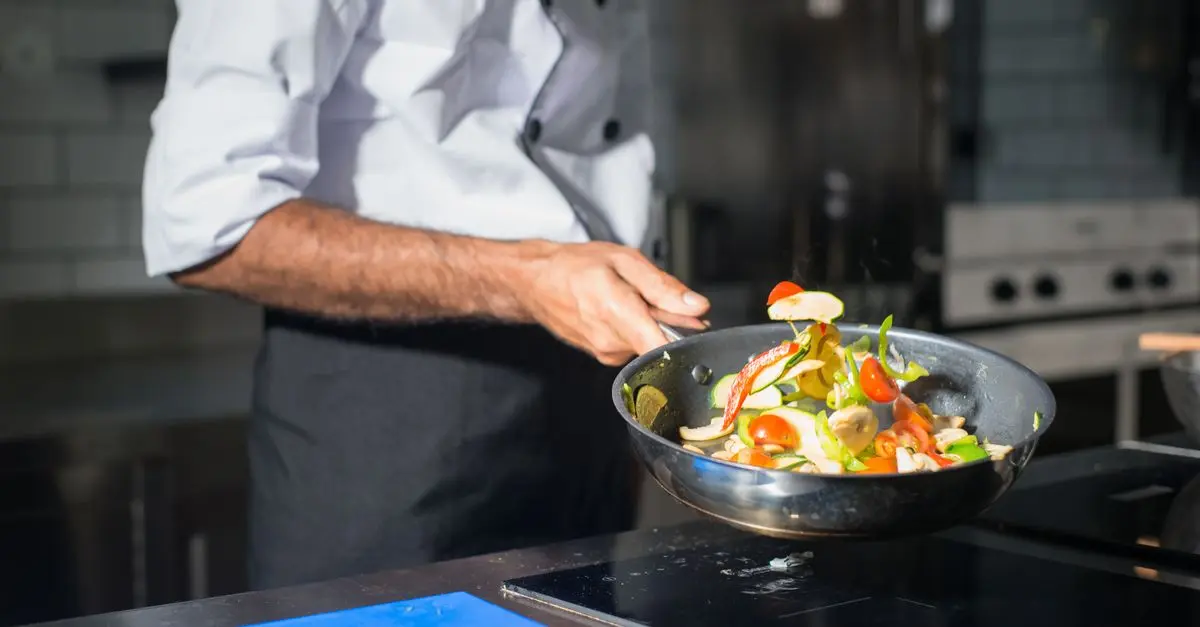
Before trying to get creative, it is crucial to have a solid grasp of foundational culinary techniques. Invest time in cooking classes focused on basic skills such as sautéing, roasting, and baking. Pro chefs often recommend dedicating time each week to practice these techniques to reinforce muscle memory.
Step 2: Experiment with Flavors
Once you're comfortable with the basics, begin experimenting with flavors. Start by modifying classic recipes—add a twist or an unexpected ingredient to see how it enhances the dish. For example, adding spices from a different cuisine can elevate a standard chicken dish into something extraordinary.
Step 3: Presentation Matters
Creativity extends beyond taste; it includes presentation. Invest in quality plating tools and practice the art of plating. Your dish's visual appeal plays a significant role in the dining experience. Techniques like stacking, smearing sauces, or adding fresh herbs as garnishes can make a difference.
Step 4: Keep a Flavor Journal
Maintain a journal to note down successful flavor combinations and techniques you want to explore. According to culinary professionals, keeping a record helps to solidify your learning and sparks further creative ideas. Refer to this journal when developing new recipes.
Step 5: Learn from Others
Take inspiration from other chefs and culinary artists. Follow industry trends and watch cooking shows to observe innovative techniques and flavor combinations. Participate in culinary social groups online to share ideas and receive feedback. Learning from peers opens doors to unique approaches in blending creativity and technique.


3. The Role of Feedback in Your Culinary Journey
Feedback is crucial for personal growth as a chef. Share your dishes with friends, family, or other culinary enthusiasts. This helps in understanding how your creative touches are received. Use social media platforms to showcase your work and engage with a broader culinary community. Receiving constructive criticism allows you to refine both creative and technical aspects, facilitating continuous improvement.
4. Common Pitfalls to Avoid
- Neglecting Technique: Avoid becoming too lost in creativity at the expense of technique. An understanding of culinary principles is necessary.
- Fear of Failure: Failing is part of the learning process; don't be afraid to experiment. Some of the best dishes are born from trial and error.
- Sticking to Tried and True: While it's good to have signature dishes, occasionally stepping out of one’s comfort zone is essential for growth.
5. Crafting Your Unique Culinary Style
With practice and exploration, you’ll start to notice your culinary style developing. Your preferences will dictate the types of creativity you incorporate into your cooking. Whether it's leaning toward bold flavors or minimalist presentations, embracing your identity as a chef is vital.
6. Resources for Continuous Learning
To boost both creativity and technique, consider exploring online platforms offering classes and tutorials. Sites like MasterClass or Skillshare have renowned chefs sharing their insights and techniques. Regularly engaging in these resources can help keep your skills fresh and fuel your creativity.
📺 Resource Video
For a further in-depth look at blending creativity and technique in the kitchen, search on YouTube for "creative cooking techniques 2026".
Glossary
| Terme | Définition |
|---|---|
| Émulsion | Mélange homogène de deux liquides non miscibles, souvent utilisé dans les sauces. |
| Sous-vide | Méthode de cuisson à basse température dans un sac hermétique. |
| Mise en place | Préparation et organisation des ingrédients avant la cuisson. |
Checklist to Balance Creativity and Technique
- [ ] Master foundational techniques.
- [ ] Experiment with new ingredients.
- [ ] Pay attention to plating and presentation.
- [ ] Keep a flavor journal to track combinations.
- [ ] Share and seek feedback on your dishes.
Conclusion
Balancing creativity and technique is an art form in itself, requiring dedication and a willingness to learn. Embrace your culinary journey, and remember that both creativity and technique are essential ingredients in every successful dish.
Discover our recommended products below to enhance your cooking experience!
📺 Pour aller plus loin : creative cooking techniques 2026 sur YouTube
Recommended products
Selected by our experts