Table of Contents (10 sections)
Understanding Culinary Skills
Culinary skills refer to the ability to prepare and cook food, encompassing a variety of techniques ranging from the basic to the advanced. Building these skills is essential for anyone who wishes to become a chef or simply enjoy cooking at home. According to a study by the American Culinary Federation (2024), mastering culinary skills contributes to improved nutrition and promotes healthier eating habits. Knowing how to cook enhances creativity, allowing individuals to experiment and personalizes meals. As you build culinary skills, you engage in a rewarding journey that offers opportunities for social connection, improved health, and increased self-confidence in the kitchen.
Step 1: Mastering the Basics
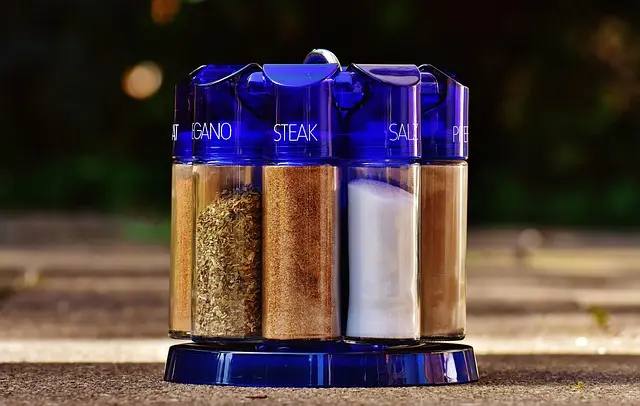
The first step to building culinary skills is mastering the basics of cooking. Start with fundamental techniques such as chopping, boiling, sautéing, and baking. Familiarizing yourself with kitchen tools like knives, pots, and pans is crucial. Invest time in learning how to properly use each piece of equipment. For example, understanding how to hold a chef's knife can drastically reduce your prep time and improve safety. A basic understanding of flavor profiles can further elevate your cooking. Experiment with common seasonings like salt, pepper, and herbs to understand how they affect taste. Practice makes perfect — aim to cook at least three times a week, gradually increasing the complexity of your meals as you grow more comfortable.
Step 2: Exploring Techniques
Once you've mastered the basics, begin to explore more advanced cooking techniques. This could include techniques like grilling, poaching, and confit. Each method requires its unique approach and can profoundly impact the flavor and texture of your dishes. For instance, grilling adds a smoky depth, while poaching preserves delicate textures. Consider enrolling in a cooking class or watching online tutorials to learn these techniques. Professional chefs often display a variety of cooking styles during competitions, such as the World Culinary Awards, showcasing how diverse these techniques can be. Practicing these will deepen your understanding of food science and application.
Step 3: Enhancing Your Palate
Enhancing your palate is crucial in developing culinary skills. This involves training your taste buds to recognize different flavors, textures, and aromas. Start by sampling a variety of cuisines and noting their unique aspects. Consider keeping a food journal to track your experiences and preferences, focusing on what flavors combine well together. According to the National Restaurant Association (2025), consumers increasingly prefer flavors that reflect culinary trends from around the globe. Engage your senses by tasting different cheeses, spices, and oils. Pairing food with wine or craft beverages can also add depth and joy to your culinary explorations.
Step 4: Cooking with Confidence
As your skills develop, it's important to cook with confidence. Start experimenting with recipes by making them your own—modify ingredients to suit your preferences and diet. Join community cooking events or groups where you can share your creations and receive constructive feedback. Collaborating with friends in cooking activities can provide motivation and innovative ideas. According to Food & Wine Magazine, cooking with friends leads to a better overall experience and the development of new skills. Trust your instincts in flavor development; remember, even the best chefs make mistakes.
Step 5: Keeping a Culinary Journal
Finally, maintaining a culinary journal serves as a valuable resource for reflection and growth. Documenting your journey can highlight your progress and reveal patterns in your cooking habits and preferences. Include details about your cooking sessions, recipes, flavor pairings, and personal goals. Over time, this can serve as a rich repository of your culinary life, helping you identify strengths and areas to improve upon. According to renowned chef Julia Child, recording experiences is a way to learn from both successes and failures in the kitchen.
Checklist for Building Culinary Skills
- [ ] Practice basic cooking techniques regularly
- [ ] Experiment with different cuisines and techniques
- [ ] Taste a variety of flavors to enhance your palate
- [ ] Document your cooking experiences in a journal
- [ ] Join cooking groups for motivation and collaboration
Glossary
| Term | Definition |
|---|---|
| Culinary Techniques | Methods used in cooking such as baking, grilling, and sautéing. |
| Flavor Profile | The combination of flavors present in a dish that contributes to taste. |
| Palette | The range of flavors an individual can recognize and appreciate. |
Quick Quiz
> 🧠 Quick Quiz: What is the best way to master culinary skills?
> - A) Rely solely on takeout
> - B) Practice cooking at home
> - C) Watch others cook
> Answer: B — Practicing at home allows you to gain hands-on experience.
📺 For further exploration: How to Build Culinary Skills, an informative guide available on YouTube:
how to build culinary skills step by step.
📺 Pour aller plus loin : how to build culinary skills step by step sur YouTube