Table of Contents (15 sections)
Creating a well-crafted culinary portfolio is essential for aspiring chefs looking to make an impression in the competitive culinary world. This guide will take you through a systematic approach to building a portfolio that showcases your skills, creativity, and experience effectively. Follow these steps to ensure your portfolio stands out.
1. Understand the Importance of a Culinary Portfolio
A culinary portfolio is not just a collection of your work; it's a visual representation of your skills, creativity, and culinary journey. It serves multiple purposes:
- Showcase Your Skills: Employers want to see tangible proof of your abilities.
- Reflect Your Personal Style: Your portfolio should communicate your culinary identity.
- Differentiate Yourself: In a saturated market, a portfolio can set you apart.
Statistics: According to a survey by Culinary Careers, 75% of culinary schools emphasize the importance of a professional portfolio in securing job placements. Understanding why your portfolio matters is the first step in crafting a winning presentation.
2. Gather Your Materials
Before you start assembling your portfolio, take some time to gather all necessary materials:
- Recipes: Include a variety of dishes that highlight your skills. Aim for diversity in cultures and techniques.
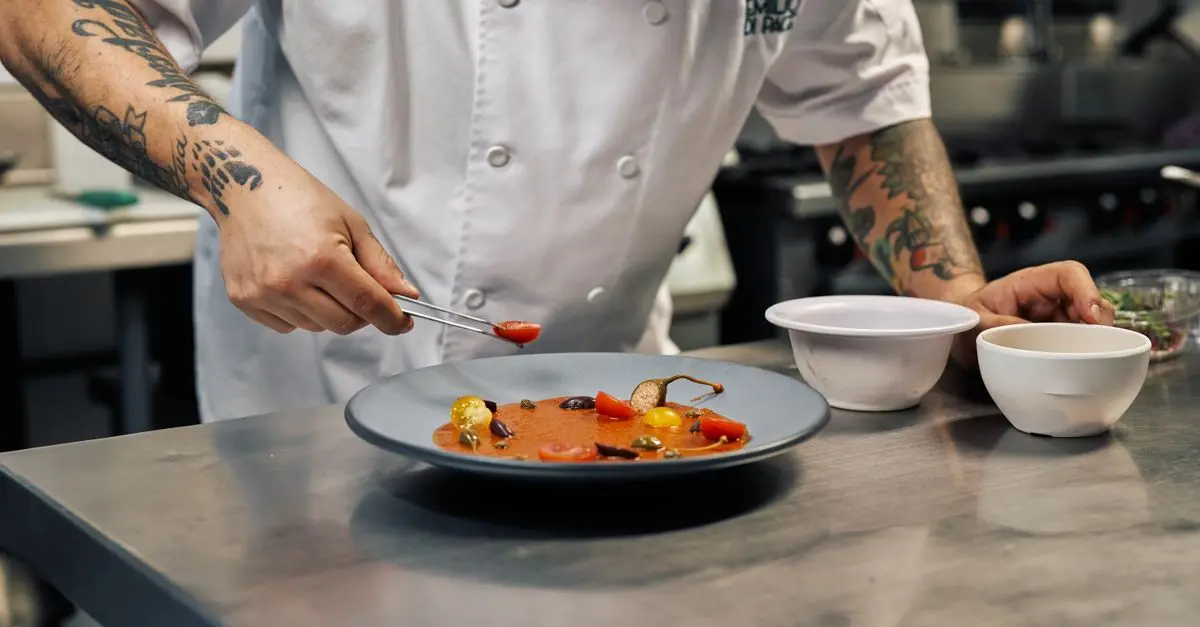
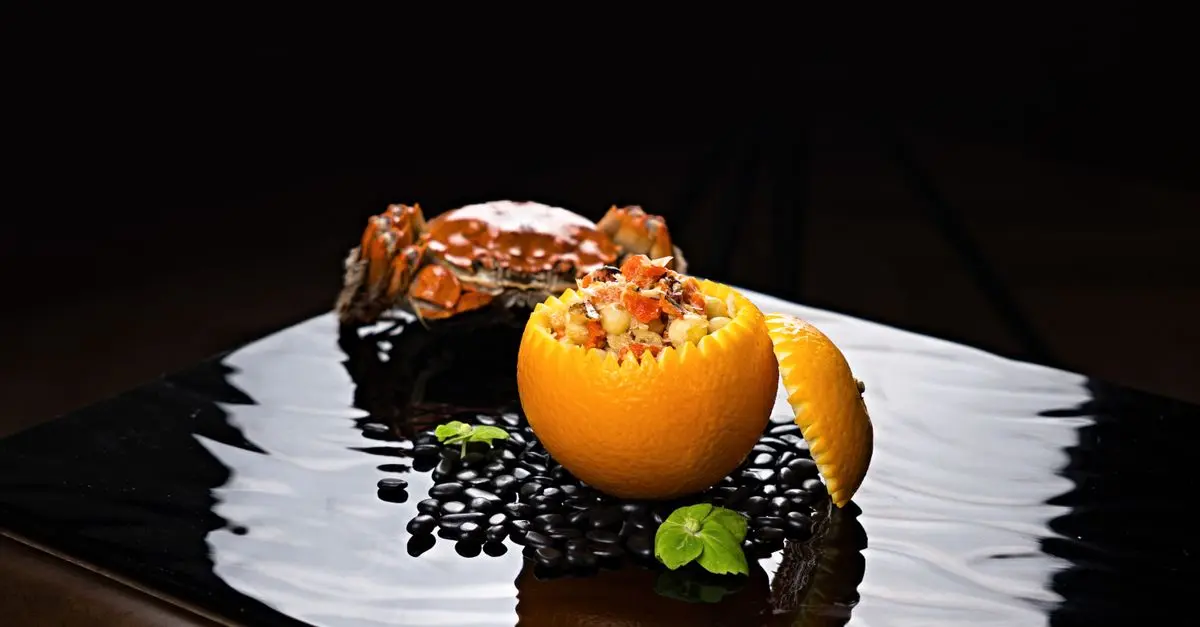
- Photos: Quality images of your dishes can significantly enhance your portfolio. Use natural lighting and high-resolution images.
- Certificates and Awards: Professional certifications or cooking competition awards can add credibility.
- Menu Designs: If you've designed any menus, these can demonstrate your creativity and understanding of culinary principles.
- Testimonials: If you've done work for clients or in a restaurant, include positive feedback.
Pro Tip: Keep your materials organized. Create a physical folder or digital files categorized by type (photos, recipes, testimonials) for easy access.
3. Choose the Right Format
Deciding on the format for your portfolio can significantly affect how your work is received:
- Physical Portfolio: A traditional binder with printed materials. Useful for face-to-face interviews but can be cumbersome.
- Digital Portfolio: A digital format can be more accessible and versatile. Consider platforms like Squarespace or WordPress to build a visually appealing site.
- Hybrid Option: Combine both formats. Have a digital portfolio ready for email sharing while also bringing a physical copy to interviews.
Format Comparison Chart
| Format | Pros | Cons | Verdict |
|---|---|---|---|
| Physical Portfolio | Tangible, personal touch | Bulky, less convenient to share | Best for interviews |
| Digital Portfolio | Easy to share, multimedia potential | Requires tech skills | Best overall |
| Hybrid Portfolio | Best of both worlds | More preparation needed | Great for flexibility |
4. Highlight Your Culinary Skills
Your portfolio should reflect a breadth of culinary skills:
- Cooking Techniques: Prepare sections of your portfolio to showcase various techniques you have mastered, such as baking, sautéing, or grilling.
- Cuisines: Include dishes from different cuisines that you’re comfortable with. This demonstrates versatility.
- Nutrition Knowledge: If you have training in nutrition, include examples of health-conscious dishes to appeal to modern dining trends.
- Seasonal Dishes: Show how you can adapt recipes based on seasonal ingredient availability.
Common Mistakes to Avoid
- Overloading with Content: Keep it concise; select only your best work.
- Lack of Variety: Ensure you demonstrate diverse skills and cuisines.
- Poor Quality Images: Invest time in good photography; it makes a difference.
5. Personalize and Edit Your Portfolio
Once you have your basic content, focus on personalization and editing.
- Create a Narrative: Structure your portfolio to tell a story about your culinary journey.
- Edit Ruthlessly: Remove work that does not meet your current skill level or is not aligned with your culinary brand.
- Seek Feedback: Ask mentors or peers for input. Their external perspective can help refine your presentation.
Tip: Create a timeline for updates, ensuring your portfolio evolves with your skills.
6. Prepare for Presentation
Once your portfolio is ready, practice how you will present it:
- Know Your Content: Be prepared to discuss each item in detail.
- Tailor Your Presentation: Depending on the restaurant or employer, adjust your portfolio elements to fit their focus and needs.
- Practice with Mock Interviews: This can ease presentation anxiety and hone your storytelling.
💡 Expert Opinion: According to culinary expert, Chef Julia Moore, "A well-presented portfolio filled with diverse and high-quality culinary work can significantly enhance your employment prospects."
7. Utilize Online Platforms
In today’s digital age, leveraging online platforms is key to visibility.
- Social Media: Platforms like Instagram can serve as informal portfolios. Regularly showcase your work to attract attention from restaurant owners.
- Cooking Blogs: Sharing culinary experiences or recipes can exemplify your knowledge and expertise.
- Networking Platforms: Use sites like LinkedIn to connect with industry professionals and share your portfolio link.
8. Keep Your Portfolio Updated
The culinary world is always evolving, and so should your portfolio. Regularly update it with:
- New Recipes: As you learn, include new dishes.
- Recent Work Experiences: Add recent jobs or events where you showcased your culinary skills.
- Feedback and Reflections: Document what you learn from each experience.
Checklist for Your Culinary Portfolio
- [ ] Gather all recipes and documents
- [ ] Choose a portfolio format
- [ ] Highlight diverse skills and cuisines
- [ ] Edit content for clarity and impact
- [ ] Prepare for presentation and potential tailoring
- [ ] Utilize social media for visibility
- [ ] Keep updating your portfolio regularly
Glossary
| Term | Definition |
|---|
| Culinary Portfolio | A collection showcasing a chef's skills, recipes, and professional experience.
| Networking | Building relationships for career growth within the culinary industry.
| Recipe Development | The process of creating new dishes or adjusting existing recipes to enhance flavor or presentation.
📺 Resource Video
To delve deeper, check out the video, "Building a Culinary Portfolio: Tips & Tricks," for a detailed analysis of what goes into making a great portfolio. Search on YouTube: "culinary portfolio tips 2026".
Conclusion
A well-constructed culinary portfolio can be a game changer for aspiring chefs. By following these steps, you can showcase your skills effectively and make a lasting impression. Don’t hesitate to share your unique culinary story through your portfolio. Now, get started on building yours!
🧠 Quick Quiz: What is the key purpose of a culinary portfolio?
- A) To collect recipes
- B) To showcase skills and creativity
- C) To impress family
Answer: B — A culinary portfolio showcases skills and creativity effectively.
📺 Pour aller plus loin : culinary portfolio tips 2026 sur YouTube