Table of Contents (11 sections)
Culinary skills are essential for anyone looking to become a chef or simply improve their cooking at home. Whether you're a beginner or looking to refine your existing skills, this guide will help you navigate the essential steps to build your culinary repertoire effectively.
1. Understanding the Basics of Cooking
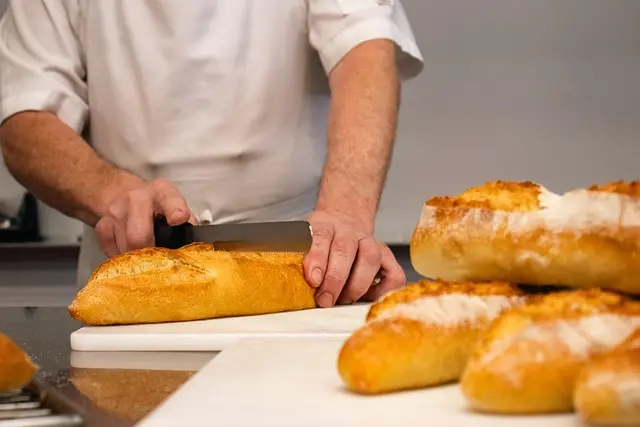
Before you dive into complex recipes and advanced techniques, understanding the basics of cooking is crucial. This includes familiarizing yourself with essential culinary terms, knife skills, and cooking methods. Knife skills encompass various cuts used in cooking, including mincing, chopping, and julienne. Mastery of these basic cuts can enhance your efficiency in the kitchen and is a foundational skill for any aspiring chef.
Additionally, familiarize yourself with common cooking techniques such as boiling, sautéing, roasting, and steaming. Understanding when to use each method will allow you to prepare a variety of dishes effectively. Many chefs recommend starting with resources like YouTube tutorials to visually grasp these techniques, as practical demonstrations enhance learning.
💡 Expert Tip: Spend a day practicing different knife cuts using a variety of vegetables. Focus on creating uniform sizes to ensure even cooking.
2. Experimenting with Recipes
Now that you have the basics down, it's time to experiment with recipes. Begin by selecting simple dishes that interest you, and try to replicate them. Cookbooks by renowned chefs can serve as an excellent resource, offering diverse recipes and insights into flavor profiles. As you cook, pay attention to the ingredients and techniques used, noting how they contribute to the final dish.
Don’t shy away from making mistakes; they are a part of the learning process. If a dish doesn’t turn out as expected, analyze what went wrong. Did you mismeasure ingredients or overcook? Learning from these mistakes will strengthen your skills and confidence.
3. Building an Ingredient Knowledge
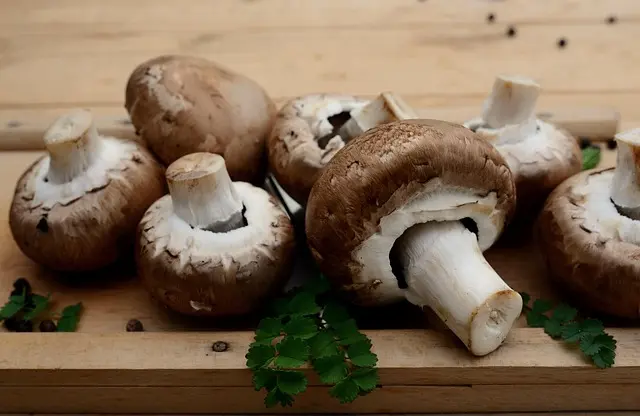
Understanding ingredients and their flavors is a pivotal part of enhancing your culinary skills. Start by exploring different herbs, spices, fruits, vegetables, and proteins. Invest time in learning about seasonal produce to take advantage of fresh ingredients. Utilize tools like flavor pairing websites to discover which ingredients complement one another.
You can also enhance your skills by participating in cooking classes or local workshops, where seasoned chefs will expose you to unique ingredients and techniques.
| Ingredient | Flavor Profile | Best Uses | Common Alternatives |
|---|---|---|---|
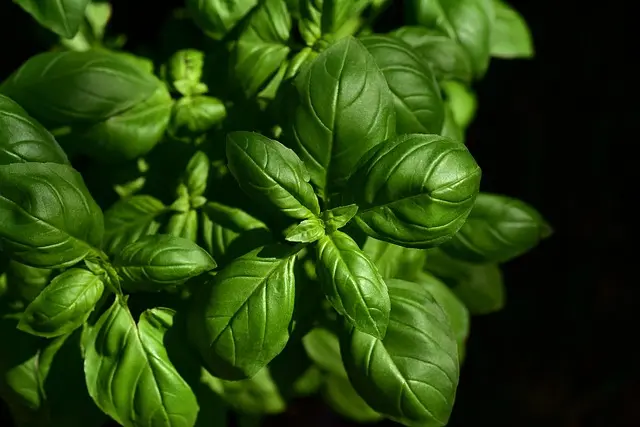
| Basil | Sweet, Savory | Pesto, Salads | Oregano |
| Cumin | Earthy, Warm | Curries, Tacos | Coriander |
| Thyme | Herbal, Earthy | Soups, Roasts | Rosemary |
| Paprika | Smoky, Sweet | Rubs, Stews | Chili Powder |
As you grow comfortable with ingredient knowledge, focus on practicing various cooking techniques. Start with sautéing and braising, which are fundamental in many cuisines. Learning to properly sauté can improve your vegetable textures and enhance flavors through caramelization.
Next, practice baking and grilling techniques. Baking is a precise science that requires accuracy in measurement and temperature control, while grilling is about mastering fire. You may want to dedicate time on weekends to try cooking several meals that incorporate different techniques.
💡 Avoid common pitfalls: Use a thermometer to ensure meats are cooked to the proper temperature and avoid the frustration of undercooked dishes.
5. Seeking Feedback and Improving
After mastering techniques and enhancing your skills, consider inviting friends or family to taste your creations. Their feedback is invaluable for identifying areas of improvement and understanding how your dishes are perceived by others. Moreover, sharing your experiences on social media platforms can connect you with fellow cooking enthusiasts who may offer constructive criticism.
Consider starting a food diary to document your cooking experiences. Include details such as recipes you tried, what worked, what didn't, and any feedback received. This journal will not only chart your culinary journey but will also become a personalized resource as you refine your culinary skills.
6. Learning from the Professionals
To truly enhance your culinary skills, learn from professionals by attending culinary schools or specialized workshops. Many community colleges offer programs at reasonable costs, providing hands-on experience and exposure to various cuisines. Follow successful chefs on social media or watch their cooking shows for a mix of inspiration and practical tips. MasterChef and Chopped are popular competitive cooking shows that often highlight crucial techniques and ingredients.
💡 Online courses: Platforms like Skillshare or Udemy offer cooking courses taught by expert chefs that you can access at your convenience.
7. Continuous Learning and Innovation
Culinary arts are always evolving, and as an aspiring chef, embracing continuous learning is key. Experiment with new cuisines, techniques, and trends to stay relevant in the culinary field. Attend culinary expos or farmers’ markets to discover fresh trends and unique ingredients.
Join culinary forums and participate in discussions to share your experiences and gain insights from fellow cooking enthusiasts.
📺 Ressource Vidéo
> 📺 Pour aller plus loin: How to Improve Your Cooking Skills Fast, a comprehensive analysis of the most effective culinary techniques. Recherchez sur YouTube : "improve your cooking skills 2026".
Glossaire
| Terme | Définition |
|---|
| Sautéing | Cooking quickly in a small amount of oil or fat over high heat.
| Braising | A cooking method that involves searing food in fat and then cooking slowly in a covered pot.
| Caramelization | The process of cooking sugar until it turns brown and develops a rich flavor.
Checklist avant achat
- [ ] Master the basic knife cuts
- [ ] Try cooking at least three new recipes
- [ ] Experiment with herbs and spices
- [ ] Participate in a culinary workshop
- [ ] Create a food diary to track progress
🧠 Quiz rapide: What is the key benefit of understanding ingredient flavors?
- A) Enhances food presentation
- B) Helps in menu planning
- C) Improves dish taste and texture
Réponse : C — Knowing flavors can significantly impact the final outcome of a dish.
To build culinary skills is a fulfilling journey that requires patience, dedication, and creativity. Take every step with enthusiasm, and the results will be deliciously rewarding.
📺 Pour aller plus loin : improve your cooking skills 2026 sur YouTube