Table of Contents (10 sections)
Understanding Culinary Skills
In the culinary world, understanding how to build culinary skills is vital for anyone aspiring to become a chef or just wanting to cook better at home. Culinary skills encompass a broad range of abilities, including knife skills, cooking methods, understanding flavors, and plating techniques. Building these skills not only makes cooking more enjoyable but also elevates the dining experience for friends and family. According to the Culinary Institute of America, mastering these skills can lead to greater creativity in the kitchen and improve job prospects in the culinary profession.
The key to effective learning is breaking it down into manageable steps, allowing for gradual improvement over time. In this guide, we will walk you through the essential steps to enhance your cooking capabilities and build a solid foundation for your culinary journey.
Step 1: Invest in Quality Tools
Before diving into the culinary arts, it’s essential to equip yourself with the right tools. Here’s a list of must-have kitchen tools:
- Knives: A chef’s knife, paring knife, and serrated knife are fundamental. Investing in a good-quality knife set can greatly enhance your chopping and slicing efficiency.
- Cutting Boards: Opt for both plastic and wood boards to use for different ingredients to avoid cross-contamination.
- Cookware: A non-stick pan, a cast-iron skillet, and a stockpot are versatile for most cooking needs. These will facilitate various cooking methods such as sautéing, boiling, and frying.
- Measuring Tools: Accurate measurements are crucial. A set of measuring cups and a digital kitchen scale help ensure that your recipes turn out perfectly.
Remember, spending a bit more on quality tools initially can save you money in the long run as they will last longer and enhance your cooking experience. An experienced home cook notes that investing in good knives pays off immensely, as it influences both the speed and precision of your prep work.
Step 2: Master the Basics
Before you can experiment with gourmet recipes, it’s important to master the fundamental cooking techniques. Start with:
- Boiling and Steaming: Understanding how to cook pasta and vegetables perfectly will lay a strong foundation for many dishes.
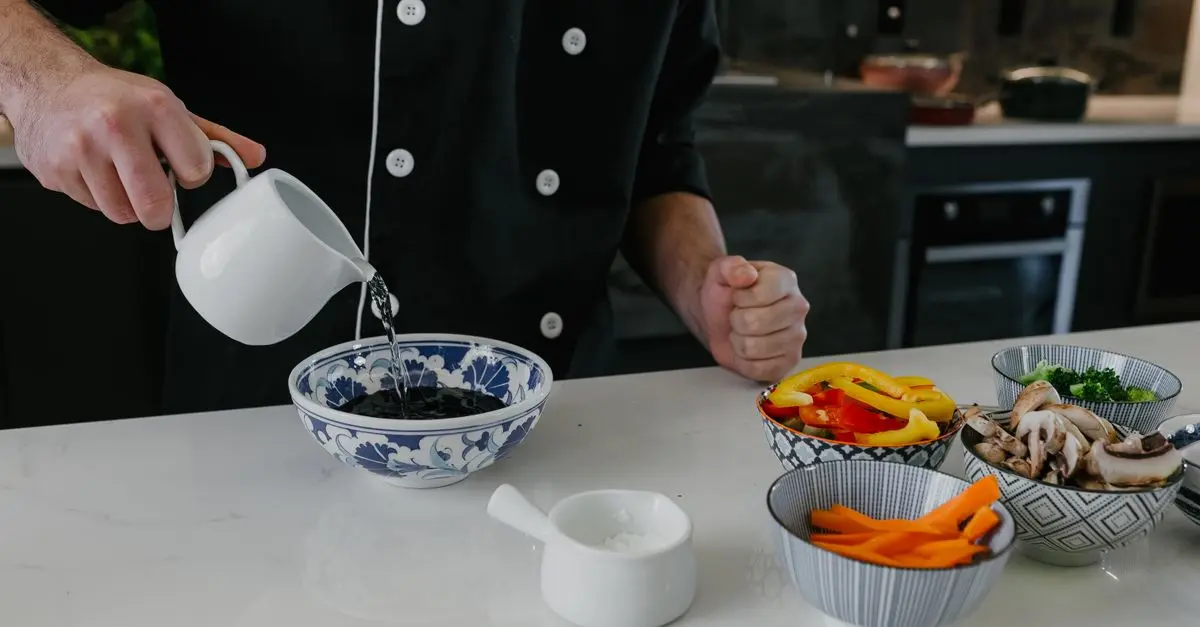
- Sautéing: Learn the correct way to sauté vegetables, which involves cooking quickly in a small amount of fat over high heat.
- Roasting: Roasting meats and vegetables can enhance flavors beautifully. Familiarize yourself with timing and temperatures to ensure doneness.
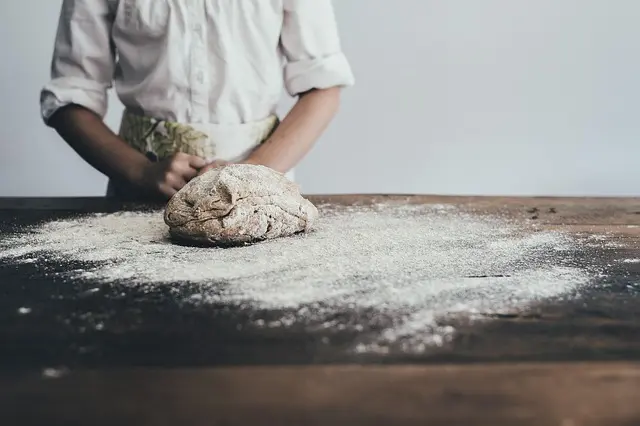
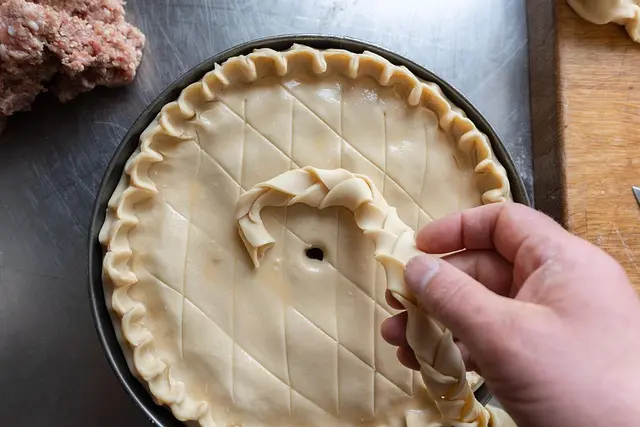
- Baking: Master the basics of baking, from cakes to breads. Knowing how to properly measure ingredients and understand oven temperatures is critical.
Focusing on these techniques will empower you to handle a wide variety of recipes. You can find online videos, such as those from America's Test Kitchen, that provide step-by-step guides to these foundational skills.
Step 3: Explore Advanced Techniques
When you feel comfortable with the basics, it’s time to challenge yourself. Explore advanced cooking techniques:
- Sous Vide Cooking: This method involves vacuum-sealing food and cooking it to a very precise temperature in a water bath. It’s ideal for achieving perfect doneness.
- Fermentation: Learn how to ferment vegetables or dairy to develop complex flavors in your dishes.
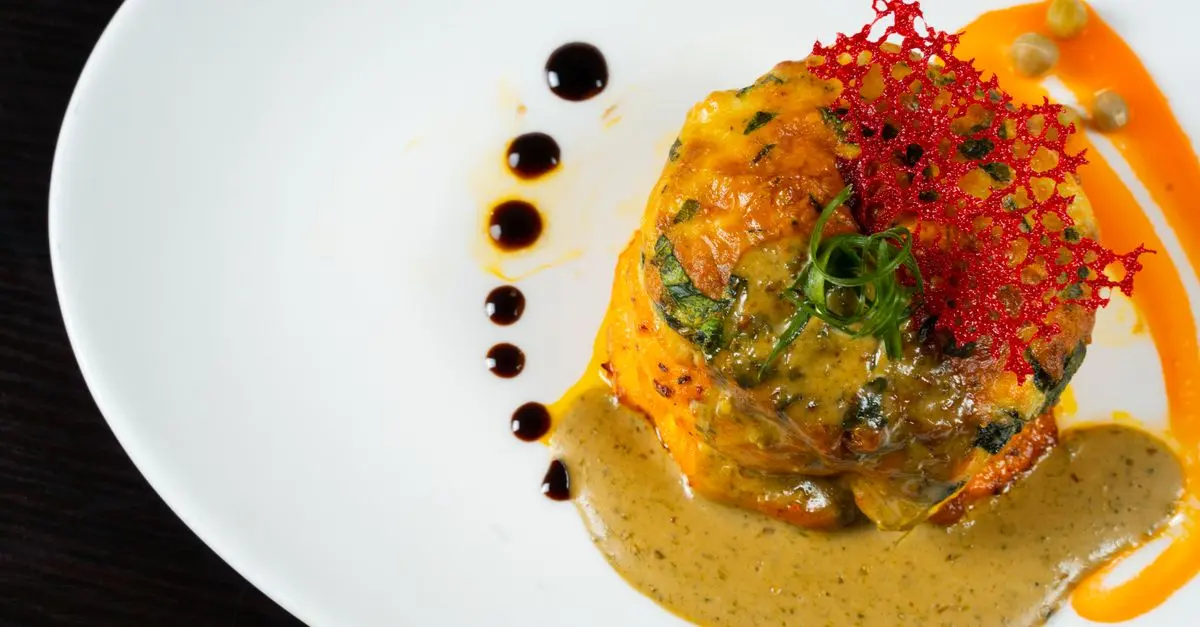
- Molecular Gastronomy: This fun and creative technique involves using science to innovate cooking methods and presentations.
Consider enrolling in a cooking class or watching expert chefs on platforms like MasterClass to learn these techniques. These exciting skills can enhance your culinary repertoire and impress your guests.
Step 4: Try Diverse Cuisines
Adventuring into different cuisines is crucial for building culinary skills. Each culture has its unique ingredients, flavors, and cooking techniques. Here’s how to embark on your culinary exploration:
- Italian Cuisine: Focus on pasta dishes, sauces, and baking techniques. Learning how to make a perfect risotto can elevate your cooking.
- Asian Cuisine: Explore sushi making, stir-frying, and dumpling preparation. Understanding the use of ingredients like miso, fish sauce, and soy sauce can bring depth to your dishes.
- French Cuisine: Master classic techniques such as making sauces (sauces are the foundation of French cooking) and pastry challenges like croissants and éclairs.
By experimenting with diverse cuisines, you not only enhance your skills but also develop a more refined palate and a greater appreciation for global culinary traditions.
Step 5: Practice and Experiment
The key to becoming a proficient cook is consistent practice. Here are some strategies to embed a routine into your culinary journey:
- Cook Regularly: Set aside time each week to try new recipes or techniques. Make it a fun event by inviting friends or family.
- Keep a Cooking Journal: Document your trials and successes, noting what worked or didn’t work. This reflective practice can be valuable for improvement.
- Join a Community: Whether online or in-person, being part of a culinary community can provide encouragement, feedback, and new ideas.
Experimenting with flavors and techniques fosters creativity in cooking, leading you to develop your unique style.
Checklist for Aspiring Chefs
- [ ] Invest in quality kitchen tools.
- [ ] Master basic cooking techniques.
- [ ] Explore advanced techniques.
- [ ] Experiment with diverse cuisines.
- [ ] Practice regularly and keep a cooking journal.
Frequently Asked Questions
- What are the essential skills every chef should have?
Every chef should have strong knife skills, understand cooking methods, and have a good sense of flavor pairing.
- How long does it take to become a proficient cook?
It varies by individual, but with regular practice, significant progress can be observed in just a few months.
- Can I learn culinary skills online?
Yes, there are many online resources, including videos, courses, and forums that can help enhance your skills.
- What is the best way to practice cooking?
The best way is to regularly try new recipes and techniques while keeping a thoughtful record of your experiences and improvisations.
📺 For further exploration: Learn the basics of cooking techniques and recipes. Search on YouTube: "how to cook basics".
Glossary
| Term | Definition |
|---|---|
| Culinary Arts | The art of preparing, cooking, and presenting food. |
| Mise en Place | French term meaning "everything in its place"; the setup required before cooking. |
| Sous Vide | A method of cooking food in vacuum-sealed bags at precise temperatures in water. |
---
📺 Pour aller plus loin : how to cook basics sur YouTube