Table of Contents (16 sections)
Building culinary skills is an essential journey for any aspiring chef or home cook looking to enhance their cooking abilities. Whether you dream of running a restaurant or simply want to impress family and friends, mastering the art of cooking will significantly improve your culinary experiences. In this guide, we will explore a step-by-step approach to developing these skills through practical training and valuable insights.
Step 1: Understanding the Basics of Culinary Arts
Before diving into cooking techniques, it’s crucial to grasp the foundational concepts of culinary arts. This includes learning about various cooking methods such as boiling, sautéing, baking, and grilling. Familiarizing yourself with essential kitchen tools like knives, measuring cups, and mixing bowls is equally important. According to culinary expert Chef Thomas Keller, having the right tools can make a huge difference in your cooking experience.
Practical Tips:
- Start by watching instructional videos that explain basic cooking techniques. YouTube has a plethora of channels dedicated to cooking fundamentals.
- Create a practice schedule to dedicate time each week to focus on one new technique or recipe.
- Remember that practice makes perfect. Don’t hesitate to make mistakes; they are essential for growth.
Step 2: Ingredient Knowledge and Selection
Understanding ingredients is key to building culinary skills. Knowing how to select fresh produce, meats, and spices can elevate your dishes significantly. For instance, did you know that different herbs can change the flavor profile of your meal? Learning to identify high-quality ingredients will set you apart in your culinary journey. According to the U.S. Department of Agriculture, fresh ingredients not only taste better but are also healthier.
Practical Tips:
- Visit local markets to learn how to choose fresh ingredients.
- Keep a journal to note your favorite ingredients and the meals you’ve created with them.
- Experiment with seasonal ingredients and discover new flavors in your cooking.
Step 3: Mastering Cooking Techniques
With your basic understanding in place, it’s time to dive deeper into specific cooking techniques. Techniques like knife skills, sous-vide cooking, and emulsifying sauces can take your culinary skills to the next level. According to a survey conducted by the Culinary Institute of America, mastering at least five essential cooking techniques is crucial for aspiring chefs.
Common Techniques to Explore:
- Knife Skills: Learn various cutting techniques such as dicing, julienne, and chiffonade.
- Sauce Preparation: Understanding the five mother sauces (béchamel, velouté, brown sauce, tomato sauce, and hollandaise) can serve as a basis for countless recipes.
- Cooking Methods: Become familiar with dry cooking methods such as roasting and frying, as well as moist methods like steaming and braising.
Practical Tips:
- Consider enrolling in a local cooking class for hands-on learning.
- YouTube videos can provide excellent visual instructions for techniques.
- Partner with a friend to practice and critique each other's techniques.
Step 4: Recipe Development and Experimentation
Once you feel confident with basic techniques and ingredients, the next step is recipe development. This phase involves trial and error as you create your own dishes. It’s essential to approach this creatively while keeping in mind the principles of flavor balance—sweet, salty, sour, and bitter. Renowned chef Alain Ducasse emphasizes the importance of creativity in developing culinary skills.
Practical Tips:
- Start by modifying existing recipes to your taste; for example, try adding a unique spice or ingredient.
- Keep a cooking journal to track your experiments and outcomes.
- Invite family or friends for feedback, as external opinions can help you refine your recipes further.
Step 5: Plating and Presentation
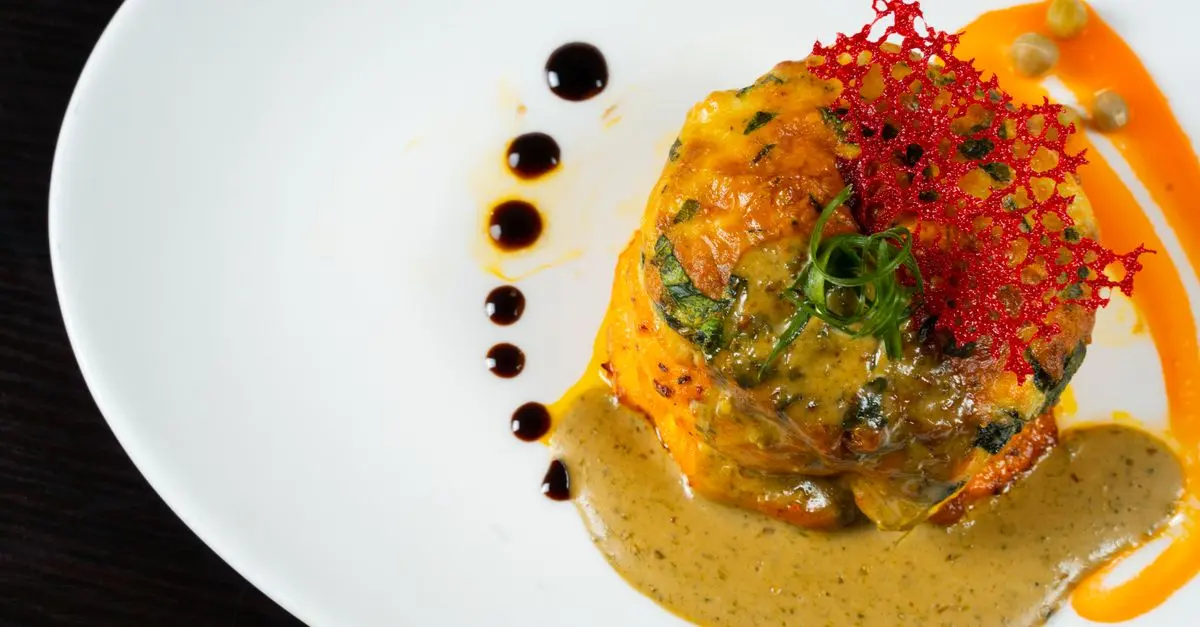
Just as important as cooking is the art of presentation. This final step in skill building focuses on how to plate your dishes beautifully. Visual appeal can enhance the dining experience significantly. A study conducted by the Journal of Culinary Science & Technology found that attractive food presentation increases the perceived quality and can lead to higher satisfaction.
Practical Tips:
- Invest in a few quality plates or bowls that complement your cooking style.
- Experiment with colors and textures to create visually appealing dishes.
- Practice garnishing skills—herbs and edible flowers can add a nice touch to any plate.
📺 Resource Video
> 📺 For further learning: Master Culinary Skills: Essential Techniques & Recipes, a detailed video on essential skills and delicious recipes. Search for: "how to build culinary skills 2026".
Checklist for Building Culinary Skills:
- [ ] Understand basic cooking techniques.
- [ ] Learn about ingredient selection and seasonal produce.
- [ ] Practice mastering essential cooking methods.
- [ ] Experiment with recipe development.
- [ ] Focus on plating and presentation skills.
🧠 Quick Quiz:
> What is the most essential cooking technique to master for aspiring chefs?
> - A) Baking
> - B) Knife Skills
> - C) Grilling
> Answer: B — Knife skills are fundamental for effective and safe food preparation.
Glossary
| Term | Definition |
|---|---|
| Culinary Arts | The art of preparing, cooking, and presenting food. |
| Emulsifying | The process of mixing two ingredients that usually don’t combine well, like oil and water. |
| Mother Sauces | The five foundational sauces from which many sauces are derived. |
In conclusion, building your culinary skills is an ongoing process filled with opportunities for exploration and creativity. By following these steps, you can develop a strong foundation in cooking, enabling you to unleash your culinary potential and take on new challenges in the kitchen. Remember, every expert chef started as a beginner, so embrace the journey. Happy cooking!
📺 Pour aller plus loin : how to build culinary skills 2026 sur YouTube