Table of Contents (15 sections)
Building your culinary skills is a multi-faceted journey that can lead to a rewarding career in the culinary arts. Whether you're looking to become a top chef in a prestigious restaurant or simply enhance your cooking abilities, understanding the key steps to honing your culinary skills is essential. This guide provides a step-by-step approach to developing your skills, ensuring a successful career in the kitchen.
📜 Overview of Culinary Skills: What You Need to Know
Culinary skills refer to the various abilities and techniques needed to prepare food. These skills encompass everything from basic knife skills to advanced cooking techniques, menu planning, and food safety. According to the National Restaurant Association, the culinary arts industry is expected to continue growing, emphasizing the demand for skilled chefs and culinary professionals. Understanding culinary skills not only enables you to create delicious dishes but also sets the foundation for a successful career in the food industry.
Why Culinary Skills Are Important
Culinary skills go beyond simply cooking; they include multitasking, time management, and creativity. For example, effective time management is crucial in a professional kitchen where dishes must be prepared and served promptly. Furthermore, culinary skills also open doors to various job opportunities, whether you choose to work in fine dining, catering, or food production. With the right training and experience, you can advance to positions such as sous chef, head chef, or even restaurant owner.
Step 1: Start with Basic Cooking Techniques
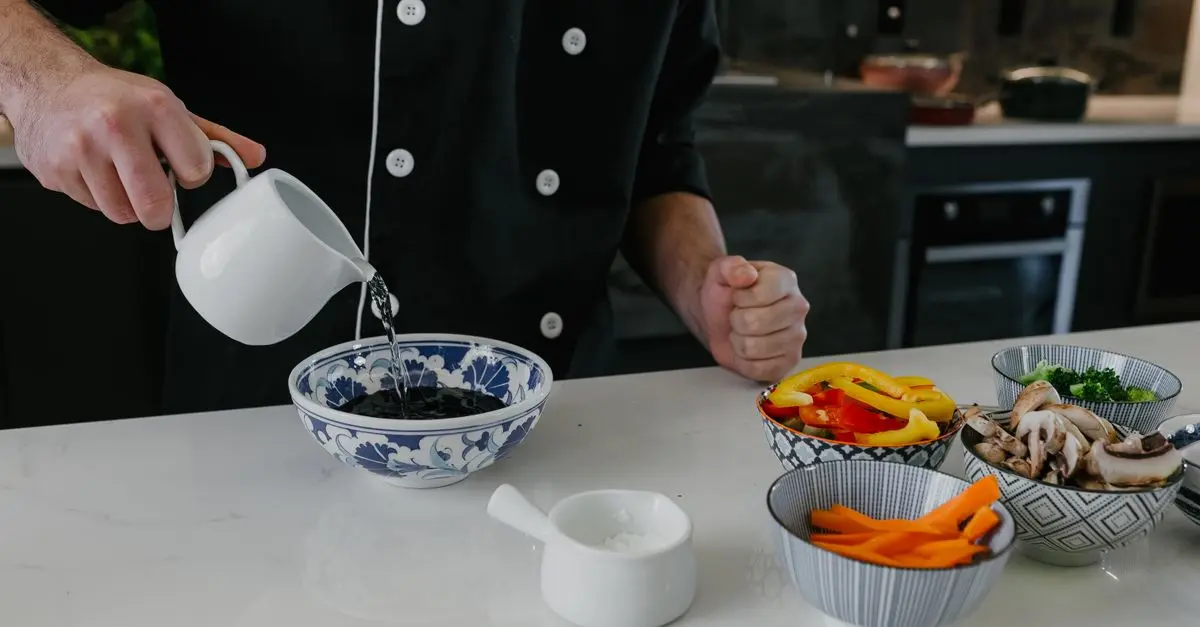
To build a solid foundation in culinary skills, begin by mastering basic cooking techniques. Familiarize yourself with essential skills such as chopping, sautéing, boiling, and roasting. Start with simple recipes that allow you to practice these techniques. For example, try making a vegetable stir-fry, which requires chopping and sautéing.
Pro Tip: Use a chef's knife for better control and safety when chopping.
Common Mistakes to Avoid:
- Not practicing basic skills frequently. Regular practice helps reinforce your learning.
- Ignoring safety protocols in the kitchen, such as cutting away from yourself and keeping knives sharp.
Step 2: Experiment with Ingredients and Flavors
Once you are comfortable with basic techniques, start experimenting with different ingredients and flavors. Understanding flavor profiles and how ingredients work together is vital in developing your culinary identity. Taste is subjective, so personal experimentation will help you discover your style.
Begin by choosing a type of cuisine to explore, such as Italian or Thai. Create a dish that highlights a key ingredient from that cuisine—like homemade pasta for Italian.
Pro Tip: Keep a journal of your culinary experiments, noting down what works and what doesn’t. This will provide insight into your personal preferences and help you refine your recipes.
Step 3: Learn from Professionals
Gaining insights from professional chefs is invaluable. Consider enrolling in a culinary school or participating in workshops. Learn the intricacies of cooking from professionals, who can teach you advanced techniques and provide critiques to improve your skills.
Additionally, try to gain experience through internships or entry-level kitchen positions. This hands-on experience is critical for understanding kitchen dynamics and the flow of food service.
According to Culinary Institute of America, culinary school graduates earn about 20% more than those without formal training, underscoring the value of professional education.
What to Look for in a Culinary School
When choosing a culinary program, consider factors such as:
- Curriculum: Does it cover the necessary skills for your career goals?
- Reputation: Research the school's industry connections and graduate success rates.
- Facilities: Quality of kitchen facilities can greatly influence your learning experience.
Step 4: Master Food Safety and Sanitation
Understanding food safety and sanitation is essential in any culinary career. This includes proper food handling, storage, and preparation techniques to prevent foodborne illnesses.
Pro Tip: Take a food safety certification course, which often provides additional credibility when applying for jobs.
Common Missteps:
- Overlooking cleaned utensils and surfaces can lead to contamination.
- Failing to keep track of food expiration dates can compromise food quality and safety.
Step 5: Build Your Culinary Portfolio
As you progress in your culinary journey, start compiling a portfolio that showcases your skills. Include photographs of dishes you have created, menus you’ve designed, and any culinary achievements. This portfolio is crucial when applying for culinary jobs, as it illustrates your capabilities and creativity.
Checklist for a Culinary Portfolio:
- [ ] High-quality photographs of your dishes
- [ ] Descriptions of recipes and techniques used
- [ ] Details about any culinary competitions entered
- [ ] Letters of recommendation from instructors or employers
Step 6: Network and Develop Your Career
Networking plays a vital role in advancing your culinary career. Attend food festivals, culinary events, and industry networking gatherings. Building relationships with other professionals can provide job leads and insights into the evolving culinary landscape.
In addition, consider utilizing social media platforms like Instagram to share your culinary creations, which can enhance your visibility in the culinary community. Establishing a strong online presence can capture the attention of potential employers or culinary influencers.
Step 7: Stay Updated with Culinary Trends
Continuing education is crucial for any culinary professional. Stay informed about new techniques, trends, and culinary innovations. Subscribe to culinary magazines, follow renowned chefs, and watch cooking shows to keep your skills fresh and relevant.
Resource Suggestions:
- Visit online platforms like MasterClass for courses on specialized topics.
- Explore YouTube channels focused on culinary education, such as ChefSteps.
Conclusion
Enhancing your culinary skills requires dedication, practice, and a willingness to learn. By following these steps, you can build a successful career in the culinary world. Every chef starts with fundamental skills and evolves into a unique culinary artist, so remember to enjoy the journey!
🔍 Glossary
| Term | Definition |
|---|---|
| Culinary Arts | The art of preparing, cooking, presenting, and serving food. |
| Flavor Profile | The combination of various tastes and aromas in a dish. |
| Food Safety | Practices that prevent foodborne illness and ensure safe food handling. |
Checklist before starting your culinary journey
- [ ] Master basic cooking techniques
- [ ] Experiment with new flavors
- [ ] Learn from professional chefs
- [ ] Understand food safety practices
- [ ] Build a culinary portfolio
- [ ] Network with culinary professionals
🧠 Quick Quiz: Which culinary skill is essential for preventing foodborne illness?
- A) Knife Skills
- B) Food Safety
- C) Plating
Answer: B — Food safety ensures that food is handled correctly to prevent illness.
📺 To learn more: Check out videos on mastering culinary skills and techniques. Search on YouTube:
culinary techniques for beginners 2026.
📺 Pour aller plus loin : culinary techniques for beginners 2026 sur YouTube