Table of Contents (14 sections)
Building your culinary skills is an exciting journey that combines creativity, technical knowledge, and a passion for food. Whether you aspire to become a professional chef or simply want to impress your friends and family, enhancing your culinary skills can be enriching. This guide will take you through a systematic approach to building these essential skills progressively, giving you valuable insights along the way.
1. Understand the Basics of Cooking
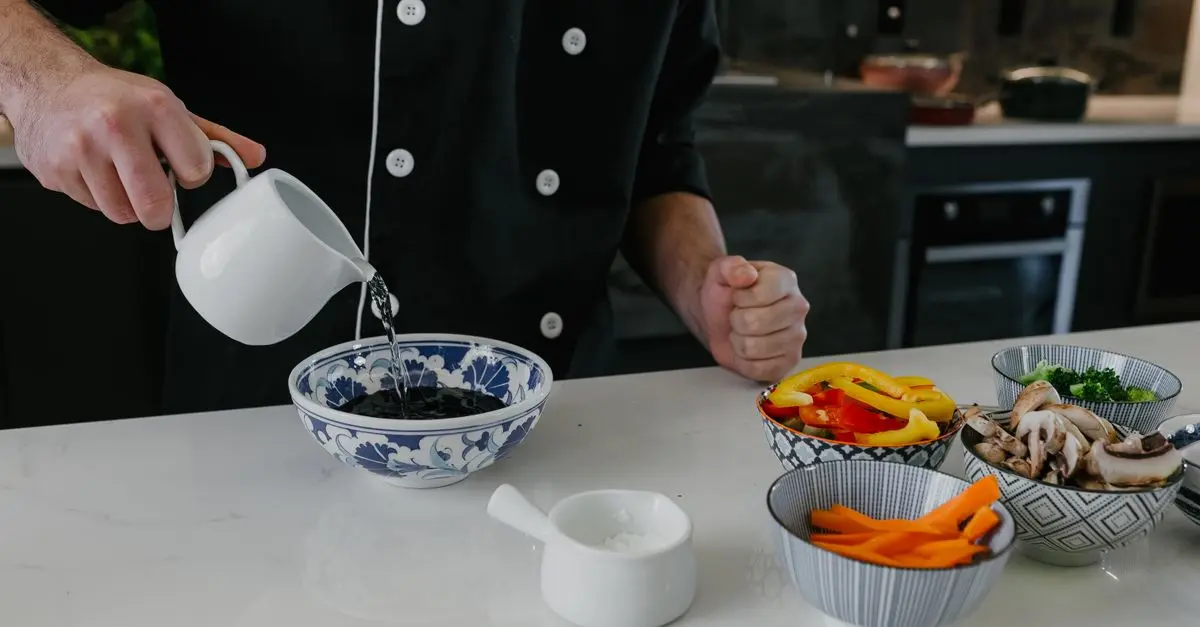
Before diving into complex recipes, it’s crucial to grasp the fundamentals of cooking. Understanding basic cooking techniques like boiling, grilling, sautéing, and baking will lay the foundation of your culinary skills.
Start by learning how to properly use kitchen equipment and tools. A chef's knife, for instance, is not just a cooking instrument; it's a vessel for creativity. Spend time practicing knife skills—learn how to dice, julienne, and mince vegetables. According to a survey by The Culinary Institute of America, about 80% of cooking mistakes can be traced back to poor knife handling and cutting techniques.
Essential Techniques to Focus On:
- Chopping: Practice different cutting techniques. Use fresh ingredients to practice and understand different textures.
- Cooking Methods: Experiment with various methods—frying, steaming, braising, etc.
- Seasoning: Know how to use herbs and spices effectively. They can significantly elevate a dish.
By dedicating time to understand these basics, you will boost your confidence in the kitchen, making it easier to tackle more complex recipes.
2. Explore Different Cuisines
Once you're familiar with basic cooking techniques, broaden your culinary horizons by exploring different cuisines. Each cuisine reflects unique traditions, flavors, and ingredients.
For example, Italian cooking emphasizes fresh herbs and simple, high-quality ingredients, while Thai cuisine combines sweet, sour, salty, and bitter on the palate. Trying your hand at different cuisines not only enhances your cooking skills but also expands your palate.
Steps to Explore:
- Cook Dishes from Various Cultures: Start with easy recipes from different cuisines, such as Thai Green Curry or Italian Risotto.
- Attend Cultural Cooking Classes: Many local chefs offer classes that dive deep into specific culinary traditions. This hands-on experience is invaluable.
- Create a Cooking Challenge: Challenge yourself by preparing a new dish every week from a different culture. This pushes you out of your comfort zone.
Incorporating a variety of cuisines into your cooking practice will enhance your skills and introduce you to new flavors and techniques.
3. Master Essential Cooking Skills
To become proficient in cooking, mastering essential cooking skills is vital. These skills elevate your cooking from basic to exceptional.
Techniques such as emulsifying sauces, tempering chocolate, or fermenting foods can significantly broaden your culinary repertoire. Learning how to properly pair food and wine,, or understanding the science behind cooking can also enhance your dishes.
Key Skills to Develop:
- Sauce Making: Once you can confidently make sauces like hollandaise or béarnaise, your dishes will shine.
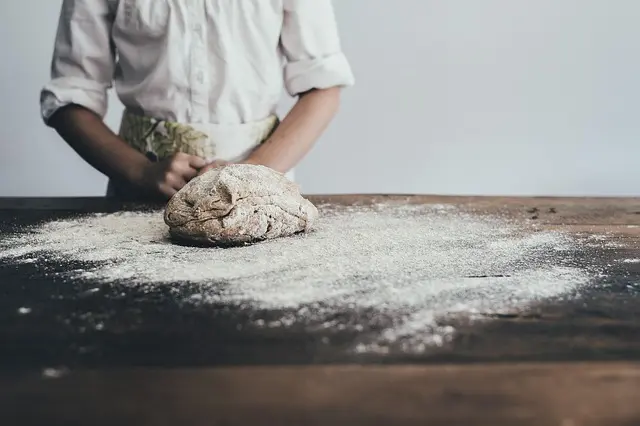
- Baking Basics: Baking often requires precision. Start with basic breads, cookies, and pastries to understand the importance of measurements and timing.
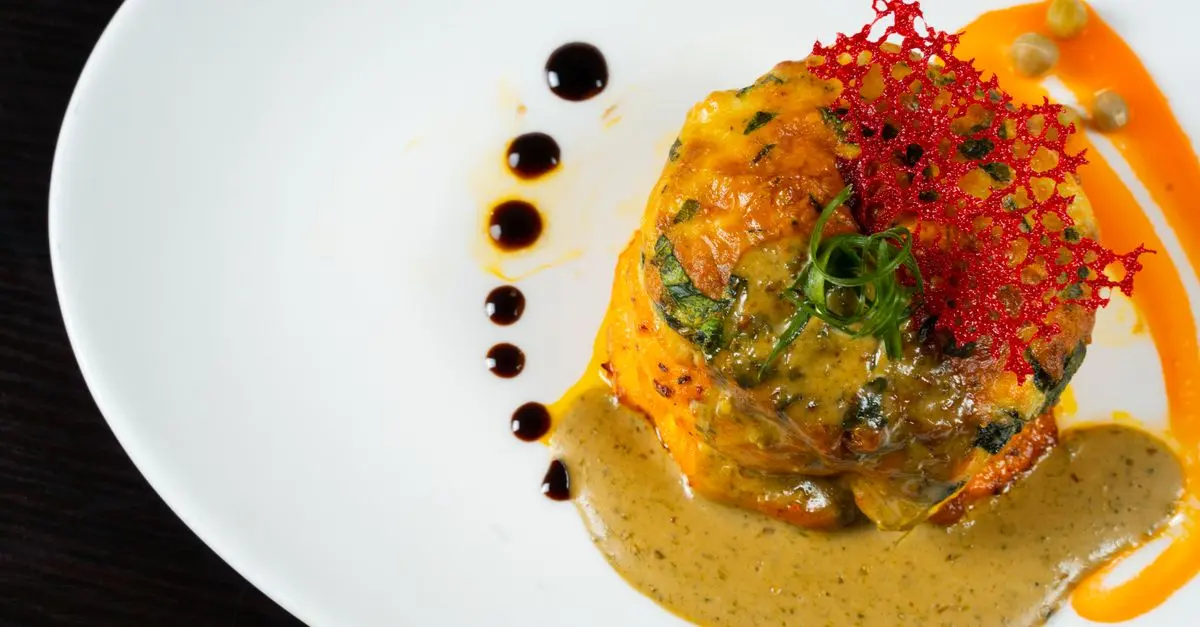
- Food Presentation: Great food should be visually appealing. Work on plating techniques to enhance the overall dining experience.
Mastering these key skills will not only make you a better cook but also allow you to engage with others at a gastronomic level.
4. Experiment and Innovate
Once you’ve established a solid foundation of skills and knowledge, it’s time to experiment and innovate in the kitchen. Encourage creativity in your cooking by trying out new ingredients and combinations.
How to Foster Creativity:
- Recipe Modifications: Take a classic recipe and alter ingredients based on what you have on hand.
- Seasonal Cooking: Incorporate seasonal ingredients to keep meals fresh and exciting. For example, during fall, include pumpkin, while summer calls for tomatoes and basil.
- Feedback Loop: Don’t hesitate to share your creations for feedback. It can lead to new ideas and improvements. Join local cooking groups or online forums to share your innovations.
Experimentation fosters creativity, allowing you to find your unique cooking style. This aspect of culinary skill development will keep your cooking exciting.
5. Stay Informed and Continue Learning
The culinary world is ever-evolving, with trends changing constantly. To keep your skills sharp, it’s crucial to stay informed. Regularly read culinary blogs, watch cooking shows, or follow influential chefs on social media.
Ways to Keep Learning:
- Read Cookbooks: Invest in cookbooks that dive deep into culinary techniques. Books by famous chefs can provide invaluable insights and inspire creativity.
- Join Online Courses: Websites like MasterClass and Coursera offer classes from acclaimed chefs, allowing you to learn from the best.
- Participate in Cooking Competitions: Join local competitions. They can be great platforms to showcase your skills and gain feedback from industry professionals.
By staying informed, you’ll continuously evolve as a chef, ensuring you remain relevant in the culinary scene.
📺 Resource Video
> 📺 To dive deeper: Mastering basic cooking techniques, a comprehensive tutorial that'll elevate your culinary skills. Search on YouTube: "basic cooking techniques tutorial".
Checklist for Enhancing Culinary Skills
- [ ] Understand basic cooking techniques
- [ ] Explore various cuisines
- [ ] Master essential cooking skills
- [ ] Experiment with new recipes
- [ ] Stay updated with culinary trends
Glossary
| Term | Definition |
|---|---|
| Culinary Skills | The techniques and methods used in food preparation, cooking, and presentation. |
| Emulsification | The process of mixing two unmixable liquids, such as oil and vinegar, to create a stable sauce. |
| Plating | The arrangement of food on a plate to enhance presentation and appeal. |
> 🧠 Quiz rapide: What is the first skill to master when building culinary skills?
> - A) Baking
> - B) Knife Skills
> - C) Plating
> Réponse : B — Knife skills are fundamental for all cooking techniques.
As you embark on your culinary journey, remember that mastery comes with practice and persistence. Don’t be afraid to make mistakes—they're often the best teachers. Happy cooking!
📺 Pour aller plus loin : basic cooking techniques tutorial sur YouTube