Table of Contents (21 sections)
Understanding Culinary Skills
Culinary skills encompass the techniques and abilities required for cooking and food preparation. These skills are fundamental not just for professional chefs but also for home cooks who wish to elevate their cooking from basic to exceptional. Mastering culinary skills involves a deep understanding of ingredients, cooking methods, and presentation -- essential traits for anyone aiming to become a chef.
The importance of building culinary skills lies not just in the act of cooking, but in the enjoyment and satisfaction derived from preparing meals. A single cooking technique can open new avenues of creativity and flavor combinations. It provides a sense of accomplishment and enhances experiences shared with family and friends over meals.
According to a survey conducted by the American Culinary Federation (ACF), more than 70% of aspiring chefs believe hands-on training greatly enhances their culinary abilities. With that in mind, let’s explore a step-by-step approach to building the skills necessary to thrive in the culinary world.
Step 1: Fundamental Knife Skills
Mastering knife skills is a crucial first step towards building culinary skills. Proper knife handling techniques not only improve safety but also enhance efficiency in food preparation.
Essential Techniques to Learn
- Grip Techniques: Hold the knife correctly, using a pinch grip for better control.
- Basic Cuts: Learn to execute different cuts such as julienne, brunoise, and chiffonade.
- Knife Maintenance: Understand how to sharpen knives properly to maintain their effectiveness.
Practice Makes Perfect
Begin practicing with inexpensive vegetables like onions and carrots. Set aside time each week for focused practice on your cutting techniques. According to culinary experts, dedicating just 30 minutes a week to knife skills can significantly improve your proficiency over time.
Common Mistakes to Avoid
Avoid cutting with a dull knife, as it increases the risk of accidents. Additionally, refrain from using excessive force when cutting; a gentle, consistent motion is key.
Step 2: Mastering Cooking Techniques
Once you have a handle on knife skills, it's time to dive into various cooking techniques. Each method affects texture and flavor, so understanding them will elevate your dishes.
Key Techniques to Explore
- Sautéing and Stir-frying: Quick methods ideal for cooking vegetables and proteins without losing flavor.
- Roasting: A great way to develop deep flavors in meats and vegetables.
- Braising: Combining high and low heat for tougher cuts of meat results in tenderness and rich flavors.
Practical Tips
- Begin with simple recipes that focus on one technique at a time, progressively challenging yourself with more complex dishes.
- Use a cooking journal to note the outcomes of each technique to refine your process.
Common Pitfalls
Overcooking ingredients or not preheating pans can lead to undesirable results. Always gather all your ingredients first and ensure your tools are ready to avoid interruptions during cooking.
Step 3: Exploring Ingredients
Understanding the qualities of various ingredients is just as important as knowing how to cook them. This exploration can represent endless possibilities in your culinary journey.
Tips for Ingredient Exploration
- Local Markets: Visit farmers' markets to learn about seasonal ingredients and local produce, which can inspire dishes.
- Culinary Classes: Attend classes focusing on specific cuisines to broaden your flavor knowledge and techniques.
- Food Pairing: Experiment with unique pairings to discover new flavors. A classic example is matching sweet fruits with savory items.
Step 4: Menu Planning
Effective menu planning is a crucial skill for any chef. It requires understanding seasonality, dietary restrictions, and ingredient availability.
Steps for Efficient Menu Planning
- Seasonal Ingredients: Use fresh, seasonal produce to boost flavor and sustainability.
- Balance: Ensure your menu provides a balance of flavors, textures, and visual appeal.
- Portion Control: Validate the right portion sizes for appropriate guest servings, reducing food waste.
Best Practices
Take inspiration from successful restaurants by analyzing their menus. Adapt items that resonate with your personal culinary style while still catering to potential clients' perspectives.
Step 5: Experimentation and Presentation
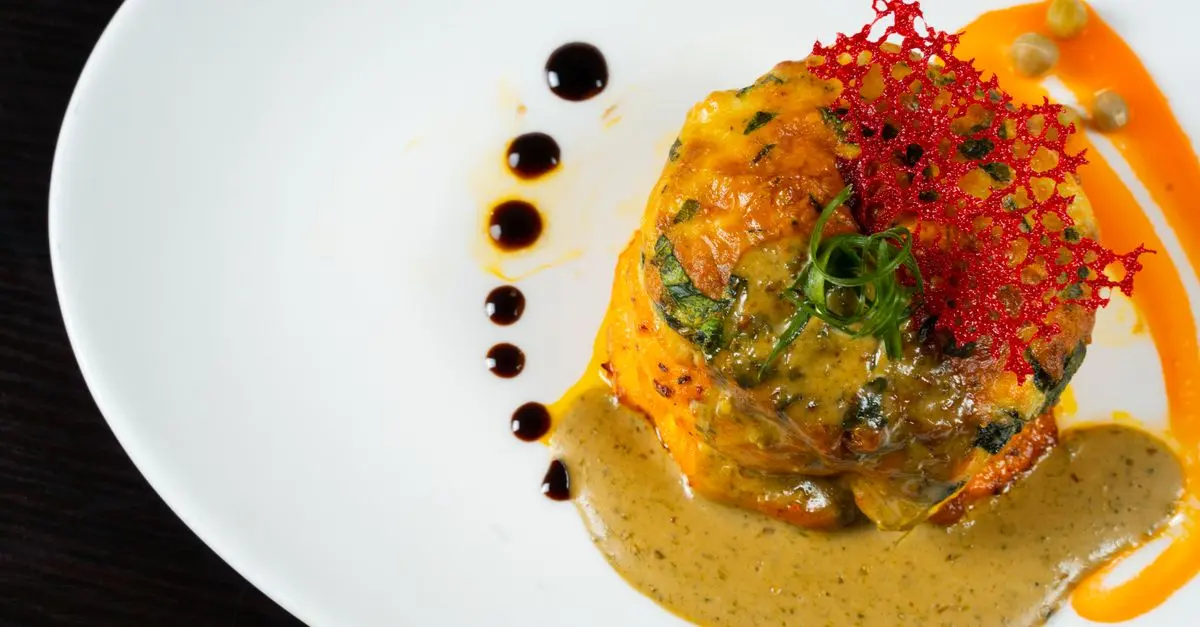
This stage involves creativity, as the art of plating allows you to express your culinary vision.
Tips for Unique Presentation
- Color Contrast: Use a variety of colors in your dish to create visual interest.
- Height: Incorporate elements that add height to your presentation, creating an inviting visual structure.
- Garnishes: Use edible garnishes, herbs, or microgreens to enhance presentation without overpowering flavors.
Common Mistakes
Overcomplicating presentations can lead to unbalanced dishes. Aim for simplicity and elegance to let the food shine.
Checklist for Building Culinary Skills
- [ ] Familiarize with basic kitchen tools.
- [ ] Practice knife skills weekly.
- [ ] Explore cooking techniques one at a time.
- [ ] Experiment with local ingredients.
- [ ] Plan and execute a themed menu.
Glossary
| Terme | Définition |
|---|---|
| Julienne | A method of cutting food into long thin strips. |
| Braising | A cooking method that combines wet and dry heat. |
| Plating | The art of arranging food on a plate for serving. |
FAQs
Q: What are the best knife techniques?
A: Master grip, meal prep cuts, and maintenance for efficiency and safety in the kitchen.
Q: How can I make my meals visually appealing?
A: Use color, height, and edible garnishes for an aesthetically pleasing presentation.
Q: Are there specific techniques for cooking meat?
A: Techniques like roasting, grilling, and braising enhance the flavors and textures of meats.
Q: How do I choose seasonal ingredients?
A: Visit local markets or consult guides to ensure that you are purchasing ingredients at their peak freshness.
📺 Pour aller plus loin : culinary skills tutorial step by step sur YouTube