Table of Contents (11 sections)
Developing culinary skills is essential for anyone aspiring to become a chef. This guide will lay out practical steps and strategies you can employ to improve your abilities in the kitchen through consistent practice. By engaging with the process and being intentional about your learning, you can elevate your cooking proficiency and confidence.
Understanding Culinary Skills
Culinary skills encompass various techniques and knowledge necessary for preparing food. These skills range from basic competencies, such as chopping vegetables and boiling pasta, to advanced practices like mastering sous-vide cooking and molecular gastronomy. Developing these skills is crucial not only for aspiring chefs but also for home cooks who wish to elevate their culinary game. According to a survey by the Culinary Institute of America, nearly 90% of successful chefs emphasize the importance of continuous learning and practice in honing their craft. Furthermore, knowing your way around a kitchen not only fosters creativity but also allows individuals to express their cultural heritage and culinary preferences.
Step 1: Start With the Basics
Before diving into complex recipes, it’s essential to master fundamental techniques. Skills such as knife handling, cooking methods (like sautéing, grilling, or roasting), and understanding flavor profiles are vital. Start by practicing simple tasks:
- Knife skills: Learn how to properly chop, dice, and julienne. A lack of knife skills can lead to inefficient cooking and even accidents in the kitchen. Lessons can often be found on platforms like YouTube, where experienced chefs demonstrate these techniques.
- Cooking methods: Experiment with different cooking methods, focusing first on techniques like boiling, steaming, baking, and frying. Understanding these foundational cooking methods will build your confidence to tackle more complicated dishes.
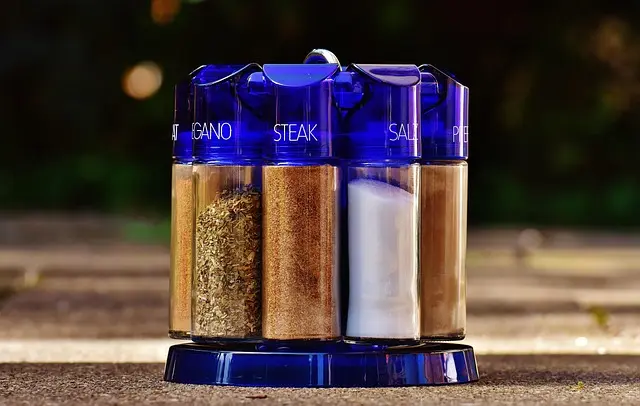
- Flavor development: Familiarize yourself with herbs, spices, and seasoning. Cooking is about balancing flavors, and knowing how to season properly can dramatically enhance your dishes.
Step 2: Choose a Specific Cuisine
Once you feel comfortable with the basics, selecting a particular cuisine to specialize in can sharpen your focus and allow for deeper exploration. Each cuisine has its distinct techniques, ingredients, and flavor profiles.
- Italian cuisine: Known for its robust flavors and fresh ingredients. Start with classic dishes like risotto or pasta preparations.
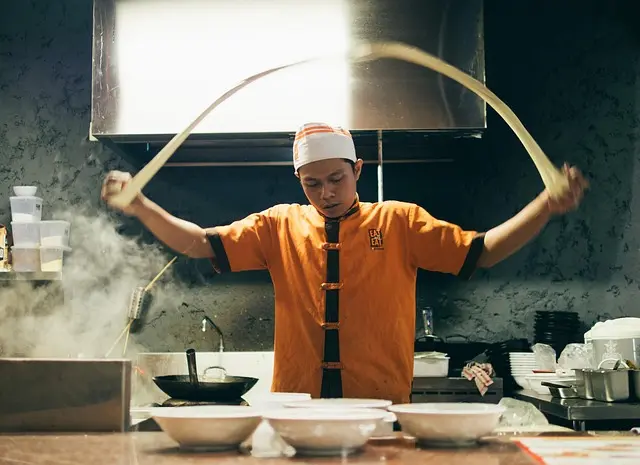
- Asian cuisine: Focus on stir-frying, sushi making, or balancing sweet, sour, salty, and umami flavors.
- French cuisine: Dive into classical techniques, sauces, and pastries. Emphasis on technical skills can elevate your culinary confidence.
By concentrating your practice on a specific cuisine, you will cultivate in-depth knowledge and skills, making it easier to branch out later.
Step 3: Create a Practice Schedule
Consistency is key when it comes to mastering culinary skills. Create a structured practice schedule that allows you to dedicate time consistently to cooking. Here are some tips:
- Daily practice: Aim to cook or prepare something new each day, whether that’s a full meal or a component like a sauce.
- Theme nights: Designate specific days for particular cuisines or techniques. This can encourage exploration and variation in your meal preparation.
- Join a community or class: Enroll in local cooking classes or online courses that provide structure and motivation.
Keeping a log of your practice and progress can also help you identify improvement areas and stay motivated.
Step 4: Incorporate Feedback and Reflection
One of the most valuable tools in developing your culinary skills is feedback. Here are some strategies to consider:
- Taste everything: Always taste your dishes as you cook. Understanding how flavors change during cooking helps you be more intentional with seasoning and cooking technique.
- Seek constructive criticism: Invite friends and family for dinner and ask them for honest feedback. Their insights can help you improve more quickly than self-assessment.
- Self-reflection: At the end of each cooking session, take notes on what worked, what didn’t, and how you can improve next time.
Reflection allows you to solidify your learning.
Step 5: Experiment and Innovate
Encouraging creativity and innovation in the kitchen can significantly enhance your culinary development. Here’s how to do it:
- Modify recipes: Start with a standard recipe, then experiment by altering ingredients or cooking methods. For instance, try adding a unique spice blend to a traditional dish.
- Invent your dishes: Don’t shy away from creating your recipes! Combine different ingredients based on what you enjoy; this helps in developing your personal cooking style.
- Document your experiments: Keep a recipe journal, recording your modifications, successes, and challenges, as this can serve as a valuable reference.
Checklist for Culinary Practice
- [ ] Master basic knife skills
- [ ] Practice three essential cooking methods
- [ ] Choose a cuisine to specialize in
- [ ] Create a weekly cooking schedule
- [ ] Taste and reflect on your dishes consistently
- [ ] Experiment with modifying recipes
Glossary
| Term | Definition |
|---|---|
| Culinary Skills | Techniques and knowledge necessary for preparing food effectively. |
| Flavor Profile | The overall taste characteristics of a dish, influenced by its ingredients. |
| Knife Skills | Techniques used for cutting, chopping, and preparing ingredients safely. |
**Q: How long does it take to build culinary skills?
A:** Building culinary skills is an ongoing journey. Consistent practice over several weeks can yield noticeable improvements.
**Q: Do I need formal training to become a good cook?
A:** While formal training can help, many successful chefs are self-taught and have honed their skills through practice and experimentation.
**Q: What are the essential tools for a culinary beginner?
A:** A sharp chef's knife, cutting board, pots and pans, measuring cups, and basic baking tools are sufficient to start.
**Q: How can I stay motivated to practice cooking?
A:** Set personal challenges or involve family and friends in your cooking process. This can make it more enjoyable and rewarding.
📺 For more insights: Watch culinary tutorial videos on ways to enhance your skills and become a better chef. Search YouTube: "culinary skills practice 2026".
📺 Pour aller plus loin : culinary skills practice 2026 sur YouTube