Table of Contents (15 sections)
Culinary skills are essential for anyone looking to become a chef or simply impress friends and family with delicious meals. This comprehensive guide will take you through various steps and provide actionable advice for enhancing your culinary prowess with consistent practice.
Understanding Culinary Skills
Culinary skills encompass a wide range of competencies related to food preparation, cooking methods, and presentation. According to the American Culinary Federation, being skilled in culinary arts goes beyond just knowing how to cook; it involves understanding flavor profiles, ingredient combinations, and proper techniques across various cuisines. Developing these skills is crucial for anyone aspiring to become a chef, as it lays the foundation for creative and satisfying cooking.
Moreover, culinary skills can significantly influence a chef's career prospects. U.S. Bureau of Labor Statistics states that cooks with a formal culinary education typically earn higher wages compared to those who learned on the job. This underscores the importance of systematic practice in a structured manner.
Additionally, the time you invest in practicing these skills pays off. Whether you're baking bread, mastering knife skills, or learning how to sauté vegetables, the more hands-on experience you have, the better your dishes will turn out. By setting up a routine where you engage with different cooking techniques regularly, you will gradually build confidence and expertise in the kitchen.
Creating a Practice Plan
To improve your culinary skills effectively, it is crucial to establish a practice plan. Start by setting specific, measurable goals. For example, decide to master one technique or recipe each week. Allocate time in your schedule during which you can focus solely on cooking, ideally making it a routine part of your week.
Steps for Creating Your Plan:
- Assess Your Current Skills: Take an inventory of what you can do well and what needs improvement. This will guide your focus.
- Set Goals: Set short-term goals (weekly) and long-term goals (monthly) for skills you wish to master.
- Gather Resources: Identify cookbooks, online tutorials, and classes that will help teach you the skills you want to cultivate.
- Schedule Practice Sessions: Dedicate specific days and times each week to work on these goals.
By adhering to a structured plan, you not only retain focus but also establish consistency, which is essential for mastering culinary techniques. Don’t hesitate to revisit and adjust your plans as you go along; flexibility helps maintain enthusiasm and motivation.
Exploring Techniques and Recipes
Once you have a plan in place, it's time to explore various techniques and recipes. Start with foundational skills like knife skills, baking, or sautéing. Break down complicated recipes into simpler steps, allowing yourself to master each one before moving on.
Recommended Techniques to Explore:
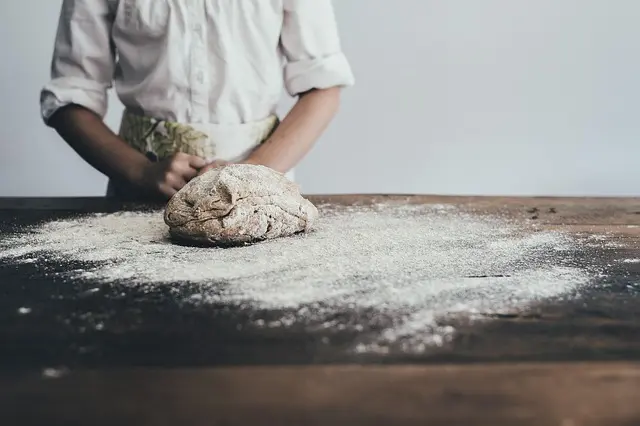
- Baking: Learn how to measure accurately, mix dough, and understand baking temperatures. Simple recipes like muffins or bread can enhance these skills.
- Grilling: Grilling meats and vegetables allows you to understand heat control and timing. Start with basic meats like chicken or steak, gradually progressing to more complex dishes.
- Sauces: Mastering a few protein sauces (like béchamel or hollandaise) can elevate your meals significantly.
Incorporating a variety of cuisines into your practice can also expose you to different flavors and techniques, such as French, Italian, and Asian cooking. This diversity will further expand your culinary vocabulary.
Evaluating and Adjusting Your Cooking
Evaluation is crucial for improvement. After each cooking session, take time to reflect on what worked well and what didn't. Consider keeping a cooking journal to document your experiences, thoughts on techniques practiced, and recipes attempted. This will help track your progress and identify patterns that need attention.
Tips for Effective Evaluation:
- Taste Testing: Always taste your food as you cook. Adjust seasoning, textures, and presentation as necessary.
- Feedback: Invite friends or family for dinner nights and ask them for feedback. Constructive criticism can help you see aspects of your cooking that you may overlook.
- Be Critical yet Compassionate: Assessing your cooking should be a positive experience. Learn to embrace mistakes as part of the journey towards becoming a better chef.
Engaging with the Community
Being part of a culinary community can provide you with additional resources and motivation. Engage with fellow cooking enthusiasts through social media, cooking clubs, or local classes. Sharing your experiences, recipes, and challenges can further enhance your learning.
Ways to Connect:
- Join Cooking Classes: Local culinary schools or community centers often offer classes for various skill levels. This hands-on approach can expose you to professional techniques.
- Use Social Media: Platforms like Instagram and YouTube can provide visual and inspirational content to learn from. Follow chefs, home cooks, and food bloggers for a myriad of ideas and tips.
- Participate in Local Events: Attend food fairs, cooking competitions, or farmer’s markets to meet people and gain insights from others’ experiences.
📺 Resource Video
> 📺 For further exploration: Watch engaging cooking tutorials and learn new recipes from experts. Search on YouTube: "easy cooking techniques for beginners 2026".
Checklist for Culinary Skill Development
- [ ] Set specific culinary goals for skills to learn.
- [ ] Develop a practice routine (timing, frequency).
- [ ] Gather required resources (books, tools, online resources).
- [ ] Engage in social cooking events or online forums.
- [ ] Maintain a cooking journal for reflections.
Glossary
| Terme | Définition |
|---|---|
| Culinary Skills | Abilities related to the preparation, cooking, and presentation of food. |
| Techniques | Methods or ways of performing tasks in cooking. |
| Feedback | Suggestions or responses about one’s cooking for improvement. |
🧠 Quick Quiz:
> What is the key to improving your culinary skills?
> - A) Cooking once a month
> - B) Consistent practice
> - C) Watching cooking shows
> Réponse : B — Consistent practice allows for skill development and mastery over time.
By following these steps and committing to regular practice, you will not only improve your culinary skills but also gain confidence in your abilities. Embrace the journey, learn from YOUR experiences in the kitchen, and enjoy crafting delicious meals that you can be proud of.
Remember, the best chefs started where you are now — dedication and practice will elevate your culinary mastery. Take the first step today!
📺 Pour aller plus loin : easy cooking techniques for beginners 2026 sur YouTube