Table of Contents (11 sections)
Understanding Culinary Specialties
A culinary specialty refers to a specific area of focus within the culinary arts. This can range from baking and pastry arts to fine dining, ethnic cuisines, catering, or even food styling. Selecting a culinary specialty is a significant career decision for aspiring chefs because it lays the foundation for future training, job selection, and personal growth.
Why is it crucial to choose an appropriate culinary specialty? According to the National Restaurant Association, the food industry is projected to grow by 10% through 2026, representing a myriad of possibilities for chefs skilled in varied specialties. Understanding different specialties can be the first step in choosing which path to pursue and can also reveal trends in culinary interests that could influence your decision-making process.
Identifying Your Passion
Choosing a culinary specialty begins with self-reflection. Consider your interests, experiences, and the kinds of food that excite you. Do you prefer cooking elaborate meals or creating simple yet delicious recipes?
Steps to Identify Your Passion:
- Experiment: Spend time in different kitchen environments. Volunteer or work in various restaurant settings or catering companies to gain insights.
- Cook with Purpose: Try cooking different cuisines. This can inspire you or help you discover where your true interests lie.
- Network: Attend culinary events, food festivals, and workshops to connect with professionals who can provide insight into their specialties.
- Ask Yourself: Reflect on what aspects of cooking bring you joy. Is it the creativity involved, the technical skills, or perhaps the science of cooking?
By actively engaging with your culinary world, you can better understand what resonates with you emotionally and creatively.
Exploring Different Culinary Fields
Once you've identified your interests, it's time to explore specific culinary specialties. Below are some popular culinary fields and what to expect in each:
| Culinary Specialty | Description | Skills Required | Average Salary |
|---|---|---|---|
| Baking & Pastry Arts | Focuses on desserts, pastries, and breads. | Precision, creativity, attention to detail. | $30,000 - $60,000 |
| Ethnic Cuisines | Specializes in specific cultural foods. | Knowledge of ingredients, cultural understanding. | $35,000 - $70,000 |
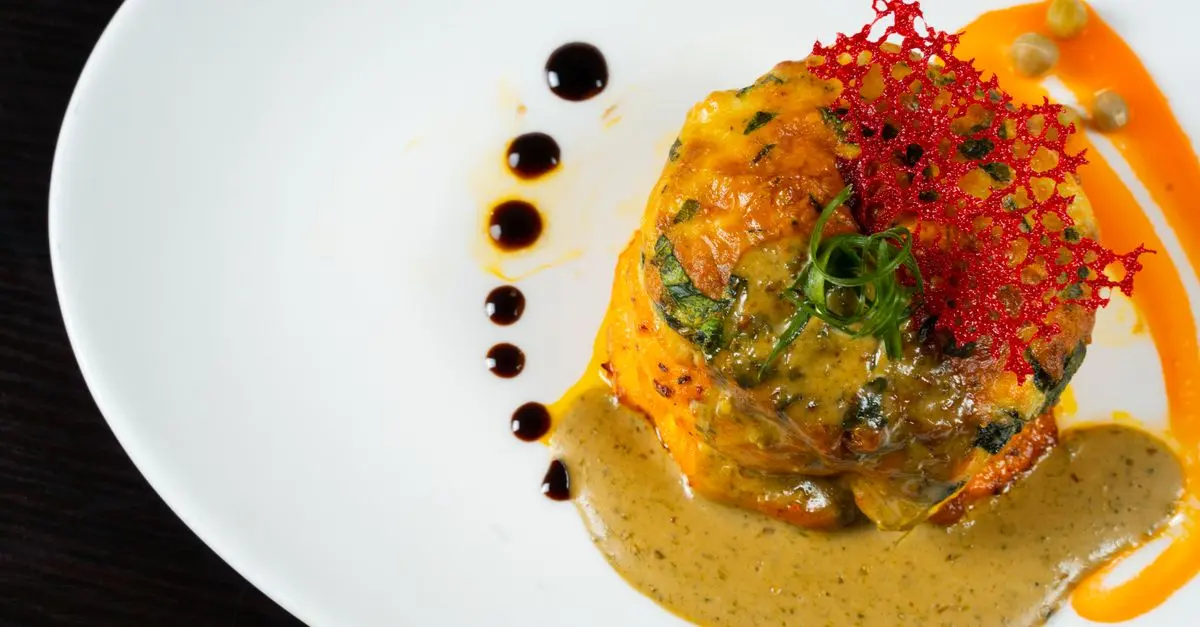
| Fine Dining | High-end culinary creations with upscale service. | Multitasking, creativity, pressure handling. | $40,000 - $80,000 |
| Catering | Preparing and serving food for events. | Organization, client management, creativity. | $30,000 - $50,000 |
Evaluating Career Opportunities
Understanding market demand for culinary specialties is key to making an informed decision. Statista highlights that chefs and head cooks are in consistent demand, with a projected growth rate of 11% from 2020 to 2030.
- Industry Research: Look at job boards and industry reports to gauge the availability of positions in your area of interest.
- Networking: Identify mentors in your preferred specialties who can offer insights about job trends and potential career paths.
- Internships: Secure internships in various fields to observe what career paths may look like and what lifestyle they promote.
Taking these steps will help you assess not only your interests but also the practical aspects of succeeding in your chosen culinary specialty.
Gaining Experience and Skills
After selecting your culinary specialty, gain the necessary skills and experience. This can include:
- Formal Education: Enroll in culinary school or specialized programs that focus on your chosen field. Schools like Le Cordon Bleu offer immersive culinary experiences tailored to various specialties.
- Hands-On Practice: Consider working under seasoned chefs in your specialization; real-world experience is invaluable.
- Continuous Learning: Keep abreast of industry trends through cooking classes, workshops, and online courses related to your specialty.
By actively developing your skills, you will not only enhance your marketability but also build confidence in your culinary abilities.
Making Your Decision
Choosing your culinary specialty should feel exciting rather than overwhelming. Compile a list of pros and cons for each option based on your earlier research, experiences, and passion. Discuss your thoughts with mentors or peers in the field for additional perspectives.
Finalize your choice by trusting your instincts and considering how well it aligns with your long-term career aspirations.
Checklist for Choosing Your Culinary Specialty
- [ ] Identify your culinary interests
- [ ] Explore different culinary fields
- [ ] Research job market and demand
- [ ] Gain hands-on experience and skills
- [ ] Discuss options with industry professionals
- [ ] Trust your instincts and finalize your choice
Glossary
| Term | Definition |
|---|---|
| Culinary Arts | The art of preparing, cooking, presenting, and serving food. |
| Pastry Chef | A chef who specializes in making pastries, desserts, and breads. |
| Catering | The business of providing food services for events or gatherings. |
Quick Quiz
> 🧠 Quick Quiz: What is the fastest-growing culinary specialty?
> - A) Baking & Pastry Arts
> - B) Fine Dining
> - C) Food Styling
> Answer: B — The fine dining industry has seen significant growth, driven by consumer demand for unique dining experiences.
📺 For further exploration: [How to choose your culinary specialty], a complete guide on refining your culinary career path. Search on YouTube: "best culinary specialties 2026".
📺 Pour aller plus loin : best culinary specialties 2026 sur YouTube