Table of Contents (23 sections)
Creating a culinary portfolio is a crucial step for aspiring chefs aiming to impress potential employers. This collection of your work not only showcases your skills but also reflects your unique culinary style and creativity. In today’s competitive culinary landscape, a well-crafted portfolio can be the difference between landing a coveted position in a prestigious kitchen or remaining unnoticed.
Step 1: Gather Your Best Work
Start by collecting your best culinary creations. This includes photographs of dishes you've prepared, menus you've designed, and any special events you may have catered. High-resolution images of your food will make your portfolio visually appealing. According to a survey by Culinary Institute of America, 72% of hiring chefs give preference to candidates with visually impressive portfolios. Select around 10 to 15 of your standout dishes and make sure each photo captures the essence of that dish effectively.
Tips for a Successful Photo Shoot
- Use natural light for your photos to enhance the colors of your dishes.
- Experiment with different angles; overhead shots can be particularly effective in showcasing plated food.
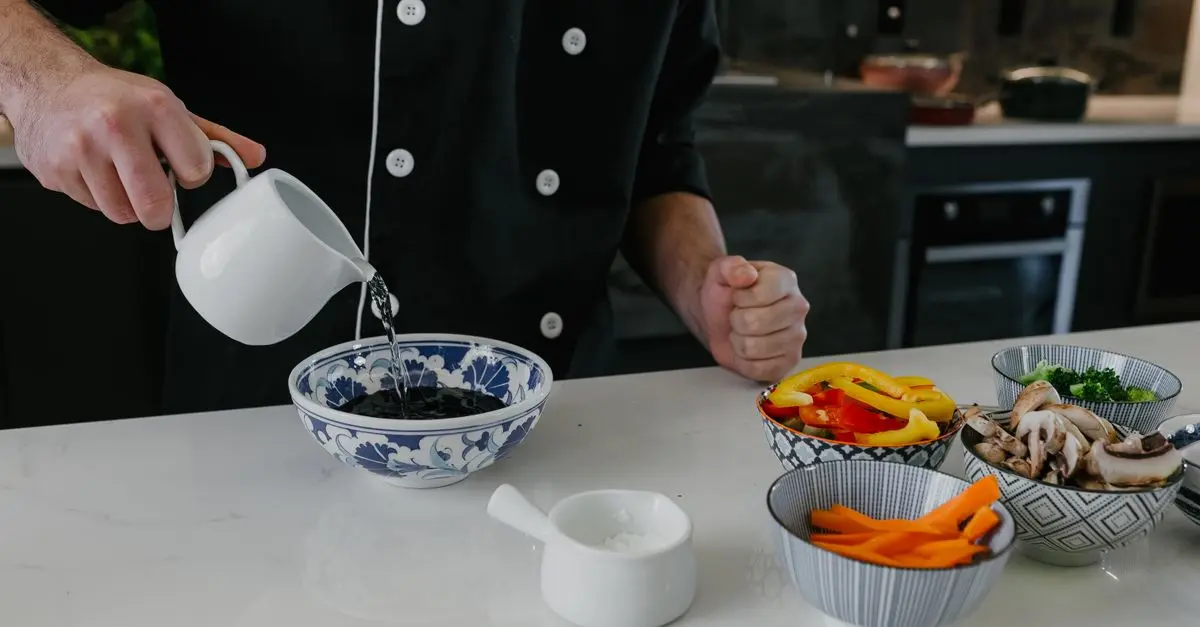
- Consider incorporating action shots of you cooking, which can add a personal touch to your portfolio.
Step 2: Design an Engaging Layout
The layout and design of your culinary portfolio should reflect your personality and style. Whether you opt for a digital portfolio or a printed version, ensure it is easy to navigate and aesthetically pleasing.
Essential Elements to Include
- Table of Contents: Make your portfolio easy to navigate.
- Personal Statement: A brief introduction about your culinary philosophy and journey can provide context for your work.
- Work History: Include a concise section about your culinary education and work experience.
For digital portfolios, consider using platforms like Adobe Portfolio or Wix which offer customizable templates suited for culinary professionals.

Portfolio "fold clear" pour apple ipad pro 12,9" (5ême génération/2021) noi
Darty FR


Step 3: Highlight Skills and Specialty
Clearly articulate your culinary skills and any specialty cuisines you focus on. If you have expertise in pastry, modernist cuisine, or regional specialties, make this known in your portfolio. You might also include a section addressing specific techniques you excel at, such as knife skills, plating, or menu development.
Example Format
- Skills: List out culinary skills such as baking, sautéing, food styling, etc.
- Specialties: Highlight any specific cuisine you are known for, e.g., Italian, French, or Vegan charcuterie.
Mistakes to Avoid
- Don’t overcrowd your portfolio; a few quality pieces are better than many mediocre ones.
- Avoid using too much jargon that may confuse potential employers; clarity is key.
Step 4: Collect Testimonials
Including testimonials can greatly enhance the credibility of your portfolio. Reach out to previous employers, chefs, or instructors who can provide feedback on your work. A brief quote about your work ethic, creativity, or culinary skills can significantly impact your presentation.
Techniques for Collecting Testimonials
- LinkedIn Recommendations: Ask for recommendations from colleagues and mentors.
- Email Requests: Reach out to past employers with specific questions about your performance during your time with them.
Step 5: Regularly Update Your Portfolio
Your culinary portfolio should be a living document that evolves over time. Regular updates not only demonstrate growth but also keep your portfolio relevant to prospective employers. Set a schedule for reviewing your portfolio, perhaps quarterly or bi-annually, to replace outdated items with recent work that better showcases your current skills.
What to Update
- Replace older photographs with recent culinary works.
- Update your skills or certifications as you acquire new ones, including participation in culinary competitions or additional training courses.
Comparison of Portfolio Types
Below is a comparative overview of digital versus print portfolios:
| Criterion | Digital Portfolio | Print Portfolio | Verdict |
|---|---|---|---|
| Accessibility | Easily shareable online | Limited to in-person sharing | Digital is more accessible |
| Visual Appeal | Dynamic with multimedia | Static, traditional format | Digital can be more engaging |
| Update Frequency | Easy to update regularly | Difficult to revise | Digital offers flexibility |
| Cost | Generally free/low cost | Printing costs can add up | Digital is more economical |
how to create a culinary portfolio.
What should I include in my culinary portfolio?
Your portfolio should include photographs of your best dishes, a personal statement, work history, testimonials, and details about your skills and specialties.
How many dishes should I showcase?
It is recommended to showcase around 10 to 15 quality dishes to keep your portfolio focused and engaging.
Should I have both digital and print versions of my portfolio?
Having a digital portfolio is advantageous for easy sharing, but a print version may be useful for interviews or events.
How often should I update my portfolio?
Aim to update your portfolio every few months or after significant changes in your skills or experiences.
Checklist before Finalizing Your Portfolio
- [ ] Gather high-quality photos of your best dishes.
- [ ] Design an easy-to-navigate layout.
- [ ] Highlight your culinary skills and specialties.
- [ ] Collect testimonials from previous employers or mentors.
- [ ] Regularly update with new dishes and skills.
Glossary
| Term | Definition |
|---|---|
| Culinary Portfolio | A collection of culinary work showcasing skills, creativity, and experience. |
| Visual Appeal | The aesthetic quality of a dish, as perceived through its presentation. |
| Testimonial | A written statement from a former employer or client endorsing someone's work. |
Conclusion
Creating a compelling culinary portfolio is a vital step in your journey to becoming a successful chef. By showcasing your skills and personality effectively, you can impress potential employers and stand out in the competitive culinary world. Get started on crafting your portfolio today, and don’t forget to regularly update it to reflect your evolving culinary journey.
Call to Action
Ready to create a culinary portfolio that shines? Start gathering your best work today, and explore our recommended products below to help showcase your culinary creations more effectively!
📺 Pour aller plus loin : how to create a culinary portfolio sur YouTube
Recommended products
Selected by our experts
Portfolio "fold clear" pour apple ipad pro 12,9" (5ême génération/2021) noi
Darty FR
This portfolio is perfect for organizing your culinary creations, especially for a digital portfolio.
Portfolio "fold" pour apple ipad pro 12,9" (5ême génération/2021) noir
Darty FR
Ideal for protecting important documents or recipes while showcasing your culinary work.
Ultimate Guard - 12-Pocket QuadRow Portfolio XenoSkin Bleu Marine
Darty FR
A quality cooking product is essential for demonstrating your skills in your portfolio.