Table of Contents (9 sections)
Creating a culinary signature dish is a prominent goal for many aspiring chefs and food enthusiasts. A signature dish not only showcases your culinary style but also reflects your personality and creativity in the kitchen. In this guide, we’ll take you through the steps to develop and perfect a dish that can become your hallmark, one that you can confidently present and share with the world.
1. Understand the Concept of a Culinary Signature Dish
A culinary signature dish is a meal or recipe that embodies your unique style, techniques, and flavor preferences. It acts as a personal brand in the culinary world. Whether you're an amateur cook or an experienced chef, having a signature dish can enhance how others perceive your cooking. It serves as a canvas to express creativity and growth in your culinary journey. Therefore, defining what this dish means to you and how it represents your culinary essence is the first step in the creation process.
Consider the famous dishes from renowned chefs like Gordon Ramsay’s beef Wellington or Julia Child’s coq au vin. Each dish tells a story and resonates deeply with its creator. Your signature dish should do the same. Take time to assess your culinary influences, favorite flavors, and the ingredients you are most passionate about. This introspection will form the foundation of your creation.
2. Brainstorming Ingredients and Flavors
After you have a clear understanding of what your signature dish will represent, it's time to brainstorm ingredients. Make a list of flavors you love and ingredients that excite you. Do you prefer spicy, sweet, or umami flavors? Maybe you have fond memories tied to specific dishes from your heritage or travels.
For example, if you love Italian cuisine, consider incorporating fresh herbs, ripe tomatoes, and quality olive oil. If Southeast Asian flavors resonate more with you, think of using lemongrass, ginger, and chili. You can also mix influences from various cultures, creating a fusion that highlights your diverse palate. This phase is all about creativity, so don't hold back.
Tips for this step:
- Explore local markets for in-season and fresh ingredients.
- Consider how different textures can complement each other in your dish.
- Research flavor pairings that work well together.
3. Developing Cooking Techniques and Methods
Now that you have a solid array of ingredients, it's time to think about cooking techniques that highlight those flavors. Consider how you’ll prepare your dish—will you roast, grill, sauté, or maybe even sous-vide? Each technique brings out different flavors and textures.
For example, roasting vegetables can enhance their sweetness, while grilling meats can impart a smoky flavor. Think about including elements like marinating to amplify flavors or garnishing for visual appeal. It’s crucial that the cooking techniques you choose align with the narrative of your dish.
Common Techniques to Consider:
- Sautéing: Quick and flavorful, ideal for vegetables.
- Braising: Perfect for meats, allowing flavors to meld beautifully.
- Emulsifying: Great for sauces, ensuring a rich mouthfeel.
4. Testing and Refining Your Dish
With your ingredients and techniques identified, it’s time to put everything to the test. Prepare your dish multiple times, making adjustments as needed. Pay attention to seasoning, cooking times, and textures. Gather feedback from family and friends; their insights can provide you with new perspectives.
For instance, if your dish is too salty, consider balancing it with acidity or sweetness. If the texture isn’t right, playing with cooking times or methods can help. Multiple iterations are key to perfection—each attempt will bring you closer to realizing your vision.
Things to Analyze:
- Flavor balance: Sweet, salty, sour, bitter, and umami.
- Texture: Crunchy versus soft or creamy elements.
- Presentation: Is it visually appealing?
5. Final Presentation and Storytelling
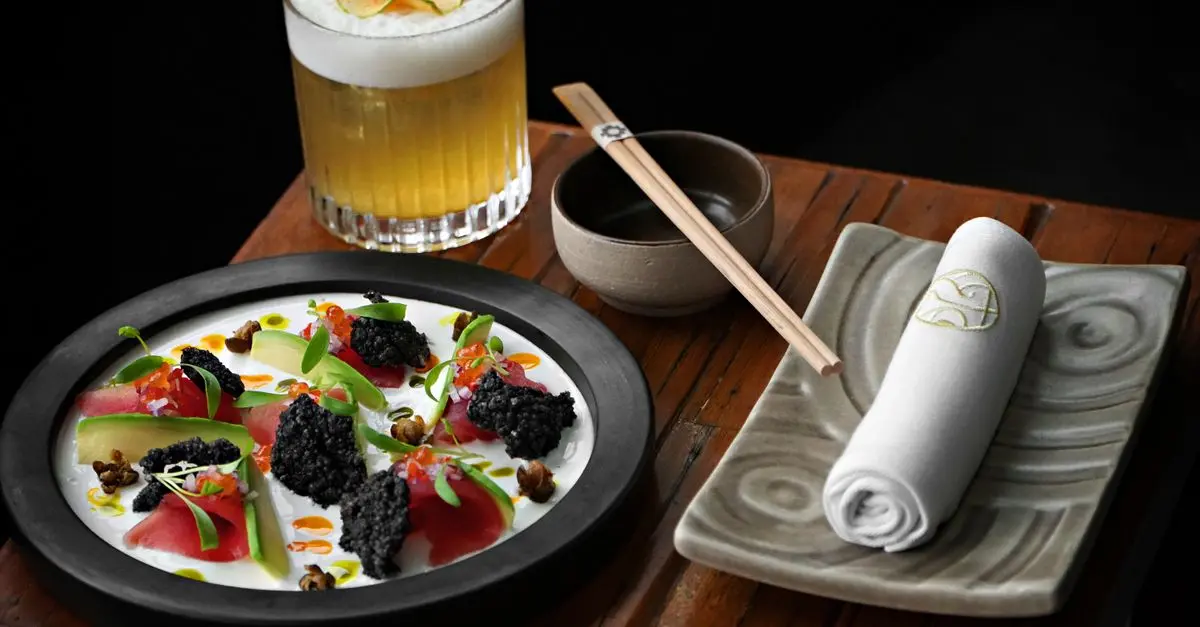
Once you’ve perfected your dish, focus on presentation. This not only means how the food looks on the plate but also how you communicate its story. Consider the garnishes, plating style, and even the dinnerware you choose. An inviting presentation can enhance the dining experience tremendously.
In addition to visual appeal, prepare to articulate the story behind your dish. Share how it reflects your culinary journey, the inspirations behind its creation, and why you chose those particular ingredients. Storytelling enhances the dining experience, making it memorable for others.
Tips for Effective Presentation:
- Use contrasting colors to make your dish vibrant.
- Consider height and layering for visual interest.
- Add an unexpected garnish to create intrigue.
Conclusion
Crafting your culinary signature dish is an expression of your unique style and passion for cooking. The journey involves understanding ingredients, mastering cooking techniques, and presenting your creation with flair. With persistence and practice, you'll develop a dish that not only signifies your culinary identity but also captivates the palates of those who experience it.
Checklist for Creating Your Culinary Signature Dish
- [ ] Identify your culinary influences.
- [ ] Brainstorm and list your preferred ingredients.
- [ ] Research and select relevant cooking techniques.
- [ ] Test and refine your dish multiple times.
- [ ] Prepare a compelling presentation and narrative.
🧠 Quick Quiz: What is the most important aspect of a culinary signature dish?
- A) The ingredients
- B) The presentation
- C) The story behind it
Answer: C — The story adds meaningful context to the dish, making it unique.
Glossary
| Term | Definition |
|---|---|
| Signature Dish | A unique dish that reflects the chef’s personal style and culinary philosophy. |
| Flavor Profile | The combination of flavors and textures that characterize a dish. |
| Presentation | The manner in which food is arranged and served to enhance visual appeal and dining experience. |
📺 For further inspiration: Explore videos on how to create signature dishes and culinary styles. Search YouTube for: "how to create a culinary signature dish".
📺 Pour aller plus loin : Recreating Famous Chefs' Signature Dishes!?! | Thomas Keller's Oysters and Pearls | Sorted Food sur YouTube
Recommended products
Selected by our experts
Exclusive Fabrics Signature Extra Wide Blackout Velvet Curtains (1 Panel) - Luxurious Blackout Drapes
bedbathandbeyond.com
"Signature Design by Ashley Boyington 2-Piece Upholstery Package - 86"" W x 40"" D x 44.5"" H"
bedbathandbeyond.com
Men's Big & Tall 2-Button Classic Blazer by KS Signature in Red Plaid (Size 50)
onestopplus.com
"Designs Signature Euro Pillowtop Mattress Set with Foundation - Twin Extra Long, Plush, 5.5"" Height - Ballard Designs"
ballarddesigns.com

Signature Atomic Blue CoolWick White Radical Sport-Tek Competitor Polo Quick Ship Small
coolwick.com

Francois Lavoie CoolWick Signature Logo Neptune Blue Bowling T-Shirt Large
coolwick.com