Table of Contents (9 sections)
In the culinary world, creativity as a chef is not just a nice-to-have; it's essential for crafting memorable dishes that tell a story. Creativity fuels innovation, elevates dining experiences, and pushes culinary boundaries, making it crucial for chefs at any stage of their career. Here, we’ll explore effective strategies to enhance your creativity in the kitchen through hands-on techniques, practical exercises, and the importance of a creative mindset.
1. Embrace an Open Mindset
Creativity thrives in an open environment. As a chef, it’s important to cultivate a mindset that embraces experimentation and is open to new ideas. This means being willing to step outside your comfort zone and try ingredients you have never worked with before or techniques unfamiliar to you. According to a report by Culinary Institute of America, chefs who frequently innovate and adapt are significantly more successful, with 68% of those surveyed indicating that an open mindset directly contributed to their creative output.
To foster this mindset:
- Practice Mindfulness: Spend a few minutes each day practicing mindfulness, focusing on your senses. This heightened awareness can help you make connections you hadn't considered before.
- Free Write Recipes: Set aside time weekly to free write about recipes or dishes that inspire you, without the pressure of perfection. This unfiltered approach can spark creative ideas and combinations.
- Collaborate with Others: Share your ideas with fellow chefs or engage in culinary communities. Collaboration often leads to brainstorming sessions that can yield innovative concepts you may not have tackled alone.
2. Use Seasonal Ingredients Effectively
Seasonal ingredients should be your go-to source of inspiration. Not only do they enhance the freshness of your dishes, but they also challenge you to think creatively about how to use what's available. For instance, during summer, vibrant vegetables like heirloom tomatoes or summer squash can be the star of a dish. During winter, heartier ingredients such as squash or root vegetables may take center stage.
Strategies for seasonal creativity include:
- Visit Local Farmers’ Markets: Regular visits to farmers’ markets can directly inspire your menu. Speak with farmers about their findings and get ideas for unique combinations.
- Create a Seasonal Recipe Book: Document your seasonal recipes to track what works and what doesn't throughout the seasons. This will help you refine your creative process and develop signature dishes over time.
- Run a Seasonal Challenge: Engage your kitchen staff in creating dishes inspired solely by seasonal ingredients. This can add excitement and allow for a playful exploration of flavors.
3. Learn from Other Disciplines
Diving into other fields can provide fresh perspectives on your culinary creations. Consider learning about art, music, or even design to spark your creativity. Each discipline carries unique principles that you can adapt for your cooking.
For example:
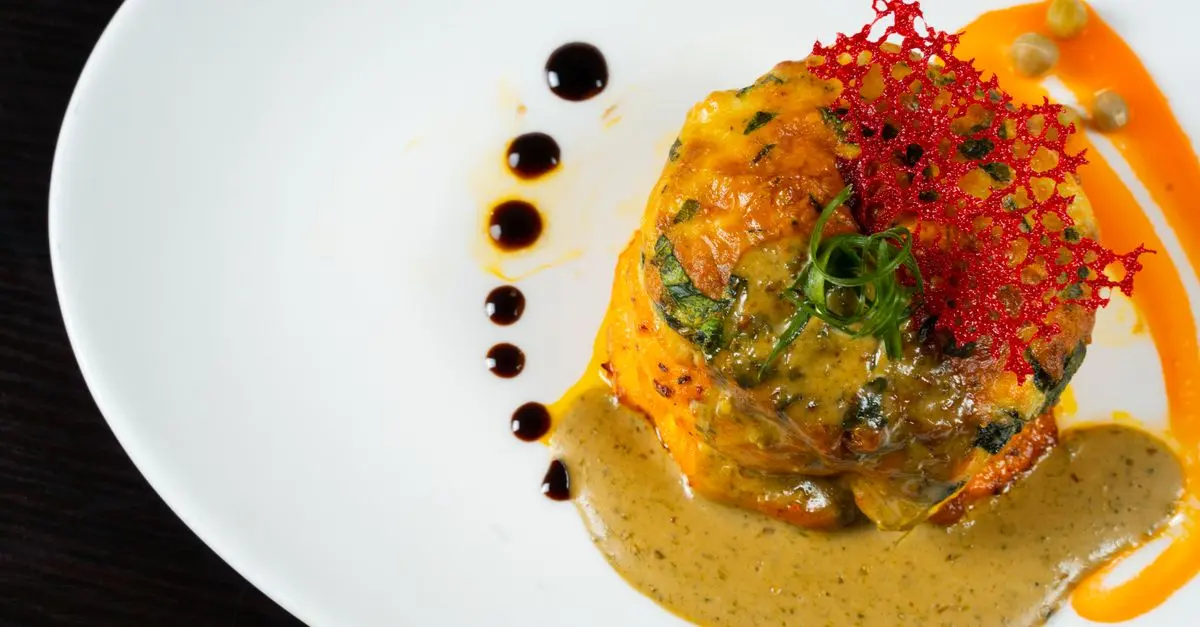
- Art: Explore culinary plating techniques by studying color theory in visual arts. Use contrasting colors or patterns in garnishes to make your dishes pop visually.
- Music: Curate a cooking playlist that evokes the kind of emotional responses you want your food to elicit. Let the rhythm guide your movements in the kitchen.
- Design: Understanding spatial relationships in design can help you assess how different elements of your dish come together on a plate, reinforcing the importance of presentation.
4. Document Your Culinary Journey
Keeping a food journal can enhance your creativity as you have a tangible way to track your inspiration. Documenting your culinary experiments, even the failures, allows you to reflect on your progress and growth as a chef. According to culinary experts, journaling can significantly boost creativity by providing clarity on your unique culinary voice.
Tips for effective journaling include:
- Regularity: Write weekly about culinary inspirations, recipe ideas, and cooking experiences.
- Reflect on Feedback: When experimenting with new dishes, note feedback from diners or colleagues to highlight what resonates.
- Experiment with Formats: Incorporate sketches, photographs, or even learnings from cooking classes into your journal to diversify your documentation.
5. Take Time to Recharge
Creativity in the kitchen can dwindle if you are overworked or stressed. It's crucial to take breaks and recharge, providing space for new ideas to flow and reducing burnout. Engaging in activities outside the kitchen can reignite your culinary passion.
Consider:
- Travel: Explore different cultures and cuisines as a way to fill your creative well. Experiencing how other chefs approach food can inspire you to adapt those techniques to your style.
- Participate in Culinary Competitions: Joining competitions challenges your culinary abilities and pushes you to think outside the box.
- Workshops and Classes: Attend workshops that focus on specific culinary methods or topics that interest you, allowing you to expand your skill set incrementally.
6. Reflect and Refine Your Creative Process
Create a habit of refinement. After experimenting with new dishes or techniques, allocate time to reflect on what worked well and what can be improved. This reflection not only cements your learnings but also prepares you for future creativity cycles.
- Conduct Tasting Panels: Involve peers in tasting sessions to gather constructive feedback on new dishes.
- Keep a Creative Calendar: Schedule time to revisit or build upon previous ideas and dishes, allowing for gradual refinement.
- Set Creative Goals: Weekly or monthly goals can help track your creative progress over time.
Checklist before you Try New Ideas
- [ ] Open mind for experimentation
- [ ] Inspired by seasonal ingredients
- [ ] Document culinary ideas in a journal
- [ ] Engage in activities outside the kitchen
- [ ] Reflect on feedback and refine recipes
Glossary
| Terme | Définition |
|---|---|
| Culinary Creativity | The ability to innovate and create new dishes and flavors in cooking. |
| Seasonal Ingredients | Fresh produce that is appropriate for a specific time of year, often impacting taste and availability. |
| Mindfulness in Cooking | The practice of being fully aware of the cooking process, enhancing the senses and creativity. |
> 💡 Expert Opinion: *
📺 Pour aller plus loin : creative cooking techniques 2026 sur YouTube
Recommended products
Selected by our experts

Hivvago Corner Kids Play Kitchen with Washing Machine and Ice Maker Gift for Boys Girls
shop.simon.com
This kitchen play set can inspire young chefs and enhance their creative cooking skills through interactive play.

Bellissima Creativity B27 100 - Lisseur
Darty FR
A high-quality straightener that can help chefs apply precise heat when creating stunning culinary presentations.

The Creativity Hub Rory's Story Cubes Jeu de dés
Darty FR
Story cubes promote creativity in cooking by encouraging chefs and home cooks to think outside the box.