Table of Contents (17 sections)
In the vibrant world of culinary arts, developing a unique culinary style is essential for any chef who wants to stand out. Your style not only reflects your personal preferences but also influences how you connect with your customers and present your creations. This article provides a thorough guide to help you cultivate and refine your own culinary style, offering practical steps, the necessary mindset, and insightful examples.
Understanding Unique Culinary Style
A unique culinary style encompasses the distinctive techniques, flavor combinations, presentation methods, and overall culinary philosophy of a chef. It sets you apart from your peers and helps to establish your culinary identity. According to research by The Culinary Institute of America, approximately 75% of chefs believe that a unique style is fundamental to their success in the industry. This distinctiveness enables chefs to conjure emotions and memories through their dishes, providing patrons with unforgettable dining experiences.
The Importance of a Unique Culinary Style
Having a unique culinary style is crucial for several reasons:
- Differentiation: In a saturated market, a unique style helps you stand out from other chefs and restaurants.
- Customer Loyalty: Developing a recognizable style can foster loyalty among your patrons, as they return for specific flavors or presentations they identify with you.
- Culinary Legacy: A strong culinary identity contributes to building a legacy that you can be proud of and pass down to future generations.
Step 1: Explore Your Culinary Influences
The first step in developing your unique culinary style is to explore various culinary influences. This means tasting different cuisines, understanding cultural contexts, and identifying what speaks to you personally. Start by expanding your palate:
- Travel: If possible, visit different countries or regions to experience their food cultures firsthand.
- Diversity of Ingredients: Experiment with unfamiliar ingredients in your cooking. Incorporating local and seasonal products can spark inspiration.
- Cooking Techniques: Try various cooking methods such as sous-vide, fermentation, or wood grilling. Learning from diverse cooking styles will not only broaden your skills but also provide new avenues for creativity.
Tips to Explore Influences
- Attend Food Festivals: Immerse yourself in culinary culture by attending local food festivals.
- Network with Other Chefs: Collaborate or engage with fellow chefs to share ideas and techniques.
- Document Experiences: Keep a food journal to document your discoveries and impressions of various cuisines.

GourmetGiftBaskets.com Unique Gift For Him - Meat & Cheese Sampler
gourmetgiftbaskets.com


Homary 3D Glam Big Gold Round Wall Decor Unique Decorative Metal Home Hanging Art Living Room
homary.com
Step 2: Experiment with Flavor Profiles
Once you’ve identified your culinary influences, the next step is to begin experimenting with different flavor profiles. This phase is crucial for combining tastes and ingredients that resonate with your identity.
- Base Flavors: Start with fundamental flavors—salty, sweet, sour, bitter, and umami. Balancing these flavors is key.
- Fusion Techniques: Consider fusing tastes from different cultures to create innovative dishes. For instance, merging Japanese and Mexican flavors could lead to unique culinary masterpieces that are entirely your own.
- Consistency: While experimentation is critical, aim for a level of consistency in your dishes to create a recognizable signature.
Common Pitfalls to Avoid
- Overcomplicating Flavors: Avoid combining too many ingredients, which can overwhelm the palate.
- Ignoring Seasonality: Use seasonal ingredients to maintain freshness and flavor complexity.
Step 3: Presentation Matters
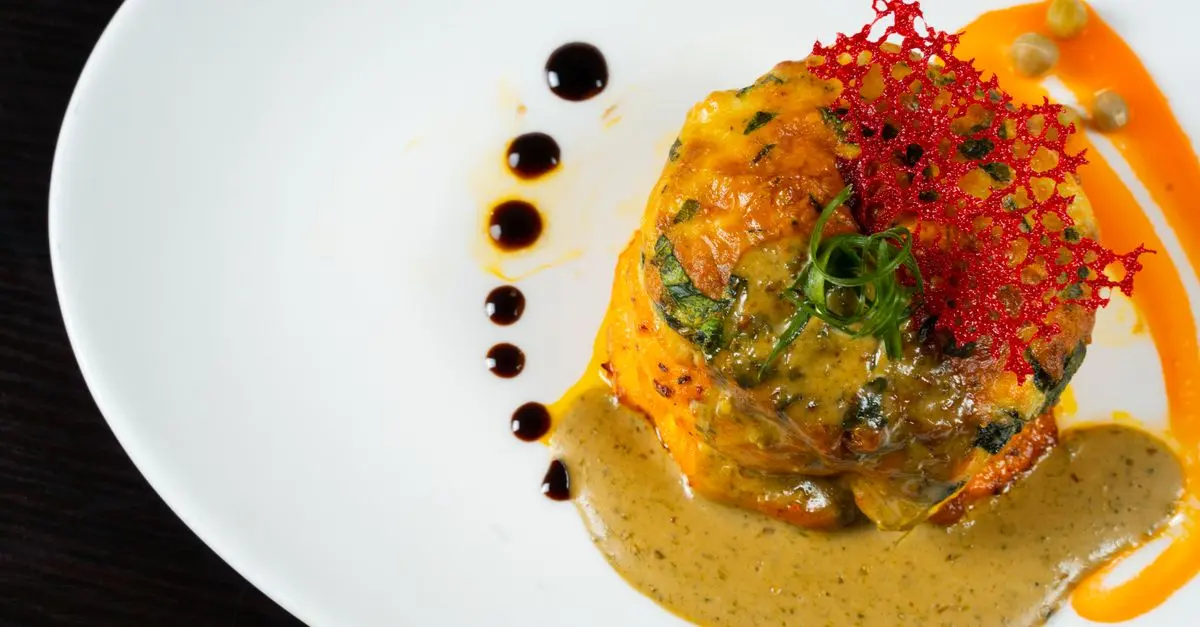
The way you present your food can greatly influence a diner's experience. A unique culinary style often includes distinctive plating and presentation:
- Visual Appeal: Use color, texture, and height creatively to enhance the dish's aesthetic.
- Personal Touch: Develop a recognizable plating style—this can be as simple as a specific garnishing technique or unique dishware.
- Contextual Storytelling: Use your presentations to tell a story about your dish’s inspirations or the ingredients sourced.
Pro Tips for Plating
- Use Contrasting Colors: Enhance visual appeal by pairing vibrant ingredients with neutral backgrounds.
- Focus on Shapes: Incorporate geometric designs with the arrangement of ingredients on the plate.
- Garnishes: Employ unique garnishes that can transform a dish's appearance and flavor, such as edible flowers or flavored oils.
Step 4: Gain Feedback and Refine Your Style
Don't shy away from feedback—it’s crucial for growth. Try to:
- Host Tasting Events: Invite friends or food critics to taste your dishes.
- Collect Honest Feedback: Encourage honest feedback regarding flavors, presentation, and overall experience.
- Adjust Based on Insight: Use the information gathered to adjust your dishes, address any common feedback, and refine your culinary style.
Error to Avoid
- Taking Criticism Personally: Understand that feedback is for your improvement, not a reflection of your worth as a chef.
Step 5: Build a Brand Around Your Style
Creating a compelling narrative around your culinary style can serve to build your brand:
- Social Media Presence: Use platforms like Instagram or TikTok, which are visually driven, to showcase your dishes.
- Engage with Your Audience: Share stories behind your dishes, recipes, and techniques to forge a connection with your followers.
- Collaborate: Work with food bloggers or influencers to reach a wider audience.
Additional Strategies
- Create a Cookbook: Compile your signature recipes along with the inspiration behind them to solidify your brand.
- Participate in Competitions: Engage in cooking competitions to gain recognition and expose your culinary style.
NewAge Outdoor Kitchens Newage Products Outdoor Kitchen Cabinets Aluminum Slate Grey Glass Kamado Cabinet
garagegiantusa.com
NewAge Outdoor Kitchens Newage Products Outdoor Kitchen Cabinets Stainless Steel Kamado Cabinet
garagegiantusa.com
Checklist for Developing Your Unique Culinary Style
- [ ] Explore diverse culinary influences.
- [ ] Experiment with various flavor profiles.
- [ ] Focus on the visual presentation of dishes.
- [ ] Gather and implement feedback.
- [ ] Build a brand and engage audiences.
Glossary
| Term | Definition |
|---|---|
| Culinary Identity | The collection of characteristics that define a chef's style and approach. |
| Flavor Profile | A combination of taste elements that distinguish a dish's characteristics. |
| Plating | The art of arranging food on a plate to enhance its aesthetic and appeal. |
📺 Resource Video
Check out How to Develop Your Culinary Style on YouTube for in-depth insights and practical tips to refine your cooking journey. Search: how to develop a culinary style 2026.
Conclusion
Creating a unique culinary style requires exploration, experimentation, and a willingness to adapt and learn. Through the strategic steps outlined in this guide, you can carve out your distinctive place in the culinary world. To get started, we have selected several products suited for you to refine your cooking experience—discover our recommendations below!
📺 Pour aller plus loin : how to develop a culinary style 2026 sur YouTube
Recommended products
Selected by our experts


AppyHour Box + FREE Artisan Cheese & Jam Pairings for Life - Price Rev
appyhourbox.com