Table of Contents (12 sections)
Gaining culinary confidence is essential for anyone pursuing a career in cooking. It involves honing skills, experimenting, and embracing mistakes. Whether you're a novice in the kitchen or someone eager to elevate your existing skills, building confidence can profoundly impact your culinary journey. Here, we’ll delve into actionable steps to help you enhance your confidence in the kitchen.
1. Understand the Basics of Cooking
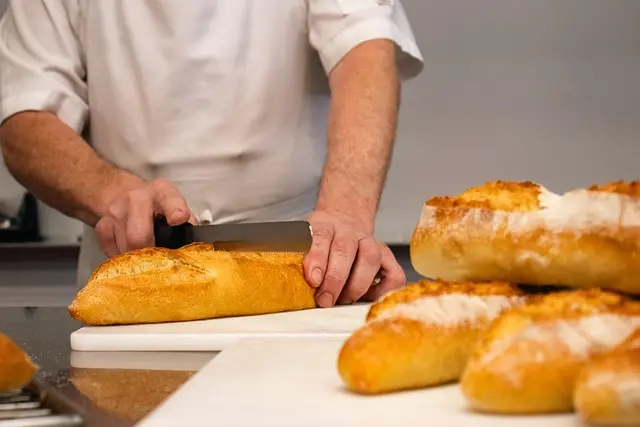
Before diving into complex recipes or extravagant techniques, it’s crucial to understand the foundational elements of cooking. Essential skills include knife skills, cooking methods (like sautéing, frying, and roasting), and familiarizing yourself with common ingredients. For instance, understanding how to properly chop vegetables can drastically improve your meal prep efficiency. Take time to master these basics through online tutorials or cookbooks tailored for beginners. This foundation will serve as a springboard to more complex dishes and techniques.
2. Embrace Practice and Repetition
One of the best ways to build culinary confidence is through repetition. Consistently practicing given techniques not only helps in reinforcing skills but also boosts your familiarity with various cooking scenarios. Set aside time each week to try making a new dish or repeating an old one. Cooking the same recipe multiple times helps you spot nuances you might have missed earlier, like flavor balancing or cooking times. Eventually, what once seemed daunting will feel second nature. Consider joining a cooking class where you can practice skills in a supportive environment.
3. Cook with Others
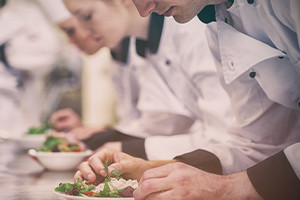
Sharing the kitchen with friends or family can be a terrific way to learn and gain confidence. Cooking in a group fosters collaboration, where you can benefit from shared knowledge and experience. This is also an excellent opportunity to step out of your comfort zone; you might find yourself trying new recipes or techniques that you wouldn’t have dared attempt alone. Plus, the social aspect makes the process enjoyable and less intimidating. Host cooking nights where everyone brings a recipe to share, fostering a fun learning environment.
4. Experiment and Innovate
Don't shy away from experimentation when cooking. Use your acquired skills to tweak recipes and make them your own. For example, if a recipe calls for chicken, consider substituting it with tofu or tofu to cater to dietary preferences. Experimentation promotes creativity in the kitchen and allows you to discover what flavors and techniques resonate with you. Document your successes and failures, as each outcome will teach you something valuable. Keep a cooking journal or blog about your culinary experiments, adding another layer of reflection to your learning process.
5. Accept Mistakes as Learning Opportunities
Every chef has experienced failures and mishaps. Learning to embrace mistakes is crucial to developing your culinary confidence. Instead of letting a burnt dish or a botched recipe discourage you, use it as a chance to analyze what went wrong. Engaging in self-reflection can lead to significant improvements in future attempts. Most importantly, remember that even professional chefs have their off days. Building resilience is part of the culinary journey.
6. Seek Feedback and Learn from Others
Constructive feedback is an invaluable tool for growth. Share your culinary creations with friends and family, and be open to their comments. This process not only helps to refine your skills but also builds confidence as you realize your progress over time. Moreover, seek mentorship from seasoned chefs or cooking enthusiasts who can provide insights and techniques that could significantly enhance your abilities. Participate in culinary forums or social media groups where you can showcase your work and receive tips from a community passionate about cooking.
7. Invest in Quality Tools and Ingredients
Utilizing quality ingredients and tools can also boost your confidence in the kitchen. High-quality knives, pots, and pans make a tangible difference in cooking, as do fresh and seasonal ingredients. Invest in at least a good chef's knife, a sturdy cutting board, and high-quality cookware. When you're equipped with the right tools and ingredients, cooking becomes a more enjoyable activity rather than a chore. Research shows that culinary students who use industry-standard tools perform better in their training. [Source: Les Numériques]
Conclusion
Culinary confidence doesn’t develop overnight, but with dedication and practice, it can significantly impact your cooking journey. Follow these actionable tips to gradually build strong skills, enhance your creativity, and enjoy the art of cooking. Always remember that every cook starts somewhere, and the journey is just as important as the destination.
Checklist for Building Culinary Confidence
- [ ] Understand and master basic cooking techniques.
- [ ] Dedicate time for regular practice.
- [ ] Cook with friends or family regularly.
- [ ] Experiment with recipes and ingredients.
- [ ] Embrace and learn from mistakes.
- [ ] Seek feedback from peers and mentors.
- [ ] Invest in quality cooking tools and fresh ingredients.
Glossary
| Term | Definition |
|---|---|
| Culinary Confidence | The assurance and skills one possesses in cooking, derived from knowledge and practice. |
| Knife Skills | Techniques for using kitchen knives effectively and safely. |
| Experimentation in Cooking | The practice of trying new methods or ingredients to discover different flavors and techniques. |
> 📺 For further exploration: Culinary Basics for Aspiring Chefs, a comprehensive review of essential cooking techniques. Search on YouTube: "culinary techniques for beginners 2026".
🧠 Quick Quiz: What's the most effective way to improve your skills in the kitchen?
- A) Cooking alone all the time.
- B) Experimenting with new recipes.
- C) Practicing basic techniques repeatedly.
Answer: C — Mastery comes through repetition and practice.
📺 Pour aller plus loin : culinary techniques for beginners 2026 sur YouTube
Recommended products
Selected by our experts
Culinary Skills and Techniques
Alison US CA
This course offers foundational culinary skills essential for any aspiring chef, making it a great starting point for building confidence in the kitchen.