Table of Contents (11 sections)
Culinary skills are essential for anyone aspiring to become a chef or simply improve their cooking abilities. Whether you're a beginner or looking to refine your techniques, understanding how to develop culinary skills is crucial. This comprehensive guide outlines several steps to help you enhance your cooking proficiency, from foundational skills to advanced techniques.
1. Understand the Basics of Cooking
Before diving into complex recipes, it’s vital to grasp the basic principles of cooking. This involves knowing various cooking methods such as boiling, sautéing, baking, and grilling. For instance, boiling is a versatile technique used for pasta, vegetables, and eggs, while grilling adds a unique flavor to meats and vegetables. Familiarize yourself with terminology like “al dente” for pasta and “mirepoix” for a flavor base. This foundation is essential to succeed in any recipe you tackle.
Make sure to invest time in mastering knife skills, which are critical. Practicing the proper grip and techniques can significantly enhance your efficiency in the kitchen. For example, using a chef's knife effectively can improve your chopping speed and precision, making your a culinary experience smoother and more enjoyable.
2. Gather Essential Equipment and Ingredients
Having the right tools is crucial for developing culinary skills. Essential kitchen equipment includes knives, cutting boards, pots, pans, and mixing bowls. Begin with high-quality yet essential tools. For instance, a good chef's knife will be more effective than a set of ten low-quality knives.
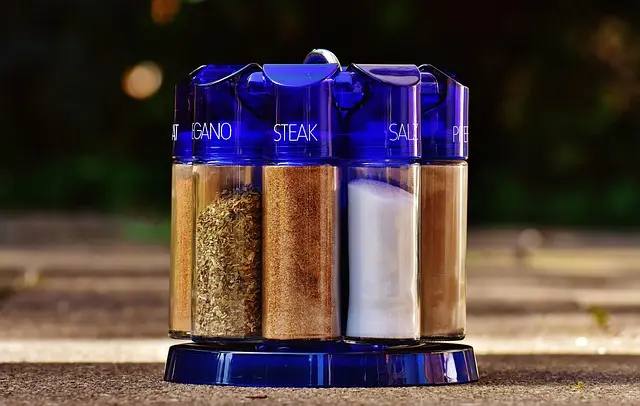
Alongside equipment, stock your pantry with basic ingredients such as oils, spices, and fresh produce. Start small; focus on ingredients that you use frequently. For example, common herbs like basil, parsley, and oregano can dramatically change the flavor profiles of your dishes. Don’t forget to keep your kitchen organized; having a clutter-free workspace can enhance your cooking efficiency and creativity.
3. Practice Cooking Techniques
Once you have a grasp on the basics and the necessary equipment, it's time to practice. Start with easy recipes that emphasize specific techniques. For example, try roasting vegetables to learn about high-heat cooking, or try making a simple risotto to practice your stirring and seasoning skills. Each technique mastered builds your confidence.
Aim to challenge yourself gradually—experiment with different cuisines and techniques. For instance, try baking basic bread or making homemade pasta. These activities will introduce you to concepts like fermentation and dough handling. Remember to keep track of your progress, and don't be afraid to make mistakes. These are often the best learning opportunities.
4. Explore Flavor Combinations and Seasoning
Understanding how to build flavors is a cornerstone of culinary skill. Start by learning the balance of tastes—sweet, salty, sour, bitter, and umami. Food is often most enjoyable when there’s a balance of these flavors, which can be enhanced by using various herbs and spices. Consider creating a flavor wheel to chart your preferences and experiment with new combinations.
For example, using citrus zest in savory dishes can brighten the flavors, while spices like cumin can add warmth and depth. A crucial aspect of developing culinary skills is tasting as you cook— this will help refine your palate and improve your ability to season dishes correctly. Take notes on what works well together, and don’t shy away from experimenting!
5. Take Online Courses or Attend Cooking Classes
Consider enrolling in cooking classes, which can provide structured learning. Many culinary schools offer online courses tailored for home cooks. For instance, platforms like MasterClass and Coursera provide access to lessons from renowned chefs, which can be both inspiring and educational.
Additionally, local cooking classes can be a great way to meet like-minded individuals and receive hands-on training. Engaging with a community can foster a supportive environment to share your passion and resolve cooking dilemmas. Moreover, consider cooking challenges or competitions—these can stimulate your creativity and push you out of your comfort zone.
6. Experiment and Develop Your Signature Style
As you advance in cooking, allow yourself the freedom to experiment. Try modifying recipes, substituting ingredients, and playing with presentation styles. Developing a personal style will not only set you apart but also enhance your enjoyment of cooking. For example, if you enjoy spicy flavors, start incorporating hot sauces or chili peppers in unique ways into your dishes.
Try compiling your favorite dishes into a personal recipe book. Document the process and modifications you make, which will help you track your growth and refining of techniques over time. Embrace feedback from family and friends—they can provide valuable insight that aids your culinary development.
7. Stay Updated with Culinary Trends and Techniques
The culinary world is ever-evolving, with new trends emerging regularly. To stay relevant and stimulate your creativity, keep up with food blogs, cookbooks, and culinary shows. For instance, trends like plant-based cooking or molecular gastronomy can introduce you to innovative techniques and concepts.
Engaging with platforms like Instagram or YouTube can expose you to new culinary ideas and inspire you to try different cuisines. Participating in cooking forums can also broaden your understanding of techniques and trends, allowing you to share ideas with fellow enthusiasts.
📺 Resource Video
> 📺 For further learning: Master culinary skills with techniques and tips from professional chefs. Search on YouTube: culinary skills development 2026.
Checklist before Cooking
- [ ] Understand cooking basics
- [ ] Gather essential kitchen equipment
- [ ] Master key cooking techniques
- [ ] Experiment with flavor combinations
- [ ] Enroll in a cooking class
- [ ] Develop personal style
- [ ] Keep updated with trends
Glossary
| Term | Definition |
|---|
| Mise en Place | A French culinary term meaning