Table of Contents (10 sections)
Understanding Culinary Skills Development
Culinary skills development is crucial for anyone aspiring to become a chef. It encompasses a wide range of skills necessary to cook, prepare, and present food in an appealing manner. These skills range from basic cooking techniques to advanced culinary artistry. According to the American Culinary Federation, possessing a blend of technical skills, creativity, and an understanding of culinary principles is vital for culinary success. Additionally, with the culinary industry continually evolving, keeping up to date with trends can greatly enhance career prospects. In 2026, factors such as sustainability and food innovation are more prominent than ever, impacting the types of culinary skills in demand. Therefore, chefs must adapt to these changes and refine their skills to maintain their edge in a competitive environment, placing emphasis on local and organic ingredients to meet consumer preferences.
Step 1: Basic Cooking Techniques
Mastering basic cooking techniques is the foundation of culinary skills development. Start with essential methods like boiling, frying, baking, and roasting. Each technique highlights different approaches to preparing food. For instance, sautéing allows for the development of flavor through browning, while boiling is perfect for maintaining the moisture of ingredients. A practical tip is to practice each technique with different ingredients to understand their unique characteristics. Also, consider their cooking times and how they interact with various temperatures. One common mistake aspiring chefs make is rushing through the learning phase; remember, patience results in better outcomes. To aid your learning, various online platforms like YouTube offer free tutorials feature renowned chefs demonstrating these basic techniques.
Step 2: Understanding Ingredients
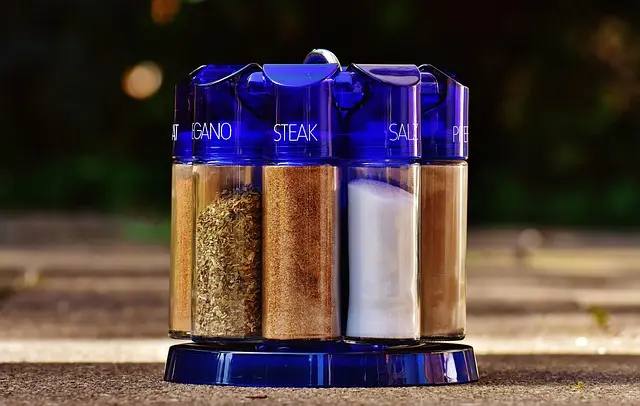
A successful chef must have profound knowledge about the various ingredients used in cooking. Understanding their flavors, textures, and best uses can elevate your culinary creations. It's advisable to study herbs, spices, meats, veggies, and grains—each ingredient brings its unique profile to the dish. For example, knowing that cilantro pairs well with lime can help you enhance seafood dishes. Additionally, familiarize yourself with sourcing fresh, seasonal ingredients to enhance flavors. A common error here is overlooking the importance of ingredient quality, which can drastically affect your dish's final taste. Regular visits to local farmers' markets can also provide insights into ingredient freshness and types available in your area.
Step 3: Mastering Knife Skills
Knife skills are an essential part of culinary skills development. Proper knife techniques not only improve efficiency in the kitchen but also ensure food presentation quality. There are various skills to master, including chopping, dicing, julienning, and mincing. To get started, ensure you have the right knives, such as a chef’s knife, paring knife, and serrated knife. Practice techniques on different ingredients like vegetables and fruits. A crucial point to always remember is the technique of holding the knife and your ingredients securely to avoid injuries. According to the International Culinary Center, chefs spend a significant amount of time chopping and preparing ingredients, making this skill invaluable. Furthermore, watch professional chefs on platforms like YouTube to gain knowledge of complex cutting techniques.
Step 4: Cooking Methods
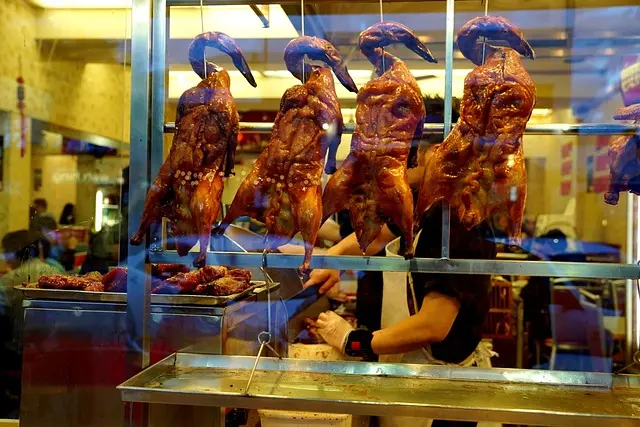
Diverse cooking methods not only affect taste and texture but also nutritional aspects of food. It’s vital to understand methods such as steaming, grilling, and braising among others. Each method serves different culinary purposes; for instance, grilling imparts a unique smoky flavor, while steaming preserves nutrients. Consider conducting experiments with different methods to notice how flavors change. Additionally, keeping in mind cuisines from various cultures can broaden your repertoire. A common mistake is sticking strictly to one method; always be open to trying different techniques for various recipes. A solid understanding of when to apply certain cooking methods will set you apart as a chef.
Step 5: Creating Your Signature Dishes
Crafting your signature dish is where culinary creativity shines. By utilizing the skills and techniques learned, you can create a dish that reflects your personality and style. Start by experimenting with flavors you enjoy and consider fusion cooking, combining elements from different cuisines. Document your cooking process, noting what works and what doesn’t, as this will help in refining your dishes. Popular chefs such as Gordon Ramsay encourage aspiring chefs to find their unique voice in the kitchen to stand out. Avoid common pitfalls like overthinking your dish; often, simplicity leads to excellence. With practice, research, and feedback from peers or mentors, you will start developing plate presentations that are visually appealing and delicious.
Checklist for Culinary Skills Development
- [ ] Master basic cooking techniques
- [ ] Understand various ingredients and their uses
- [ ] Practice knife skills regularly
- [ ] Experiment with different cooking methods
- [ ] Create and refine your signature dish
📺 For further exploration:
Watch: The Art of Culinary Skills Development, a complete analysis on mastering cooking techniques. Search YouTube for: "culinary skills training".
Glossary
| Term | Definition |
|---|---|
| Culinary Skills | The skills required for food preparation and cooking. |
| Knife Skills | Techniques for cutting and preparing food safely. |
| Cooking Methods | Various techniques used in food preparation (boiling, grilling, etc.). |
> 🧠 Quick Quiz: What cooking method is best for preserving nutrients?
> - A) Grilling
> - B) Steaming
> - C) Roasting
> Answer: B — Steaming is one of the healthier methods, as it retains nutrients well.
📺 Pour aller plus loin : culinary skills training sur YouTube