Table of Contents (12 sections)
Culinary skills development is crucial for anyone aspiring to become a proficient chef. The culinary world can be both exciting and daunting, but with the right guidance and practical steps, you can hone your skills for a successful career. This tutorial provides a comprehensive roadmap for your cooking journey, whether you're starting from scratch or looking to refine your existing abilities.
1. Understanding the Basics of Cooking
Before diving into complex recipes, it is essential to grasp the foundational techniques of cooking. Mastering basic skills like knife handling, cooking methods (like boiling, frying, and baking), and understanding flavor profiles sets the stage for your culinary development.
Knife Skills
a. Chopping & Slicing: Start by learning how to chop vegetables, herbs, and proteins. Invest in a good chef’s knife—it's a vital tool in any kitchen.
b. Mise en Place: This French term means “everything in its place.” Prepare and organize your ingredients before cooking to ensure a smoother process.
Cooking Methods
a. Dry vs. Moist Heat: Learn the difference between dry heat cooking (like roasting) and moist heat methods (like simmering). Each method affects flavor and texture differently.
b. Timing & Temperature: Understanding cooking times and the right temperatures is crucial. Use a thermometer to ensure meat is cooked properly to avoid foodborne illnesses.
Flavor Profiles
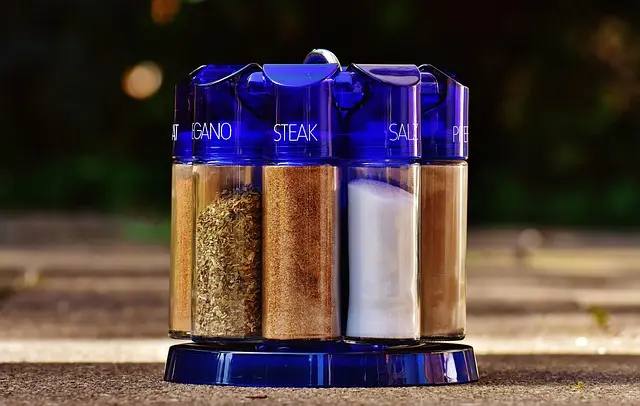
Understanding how different herbs, spices, and ingredients combine creates a well-rounded dish. Experimenting with these components can help in developing your palate and creativity.
2. Building Upon Basic Skills
Once you have a handle on the basics, the next step is to build upon those skills. This involves exploring various cuisines and cooking styles. Aim to cook dishes from multiple cultures; this introduces you to new ingredients and techniques.
Explore International Cuisines
Attempt dishes from different countries. Not only does this broaden your culinary knowledge, but it enhances creativity and innovation in your cooking.
- Italian: Understand sauce-making and pasta work.
- Thai: Learn about balancing flavors—spicy, sweet, salty, and sour.
- French: Dive into techniques like sautéing and braising, which are foundational in French cooking.
Attend Workshops or Culinary Classes
Consider enrolling in local cooking classes or workshops to gain expert knowledge and hands-on experience. These sessions often cover advanced techniques and provide personalized feedback.
3. Practicing Regularly
The adage, "Practice makes perfect," rings true in cooking. Regular practice is necessary to develop your culinary skills effectively. Set aside time each week to cook new recipes or techniques. This doesn’t always mean elaborate meals; simple dishes, done well, also contribute to skill-building.
Create a Cooking Schedule
Establish a weekly cooking schedule that includes:
- Trying a new recipe (e.g., baking bread).
- Revisiting old favorites (to improve techniques).
- Inviting friends over for a meal to gain feedback on your cooking.
4. Gathering Feedback and Tasting
Feedback is invaluable in culinary arts. Don’t shy away from asking friends, family, or even fellow cooking enthusiasts to taste your dishes.
Constructive Critique
Encourage honest feedback about your dishes. Ask specific questions:
- Was the seasoning adequate?
- Did the texture meet expectations?
This not only helps you grow but also builds a supportive community around your culinary journey.
5. Enjoying Failure and Learning
Not every dish will be a success, and that’s perfectly fine. Embrace mistakes as part of the learning process. Understanding what went wrong with a recipe can often teach you more than a success will. Document the outcomes in a cooking journal to reflect on what you’ve learned.
6. Mastering Advanced Techniques
After you’ve cultivated your basic kitchen skills and have confidently experimented with a variety of recipes, the next natural step is to master advanced techniques.
Sous Vide Cooking
This technique allows for precise temperature control and is used in professional kitchens around the world. Learning sous vide can elevate your meat and vegetable preparations drastically.
Plating and Presentation
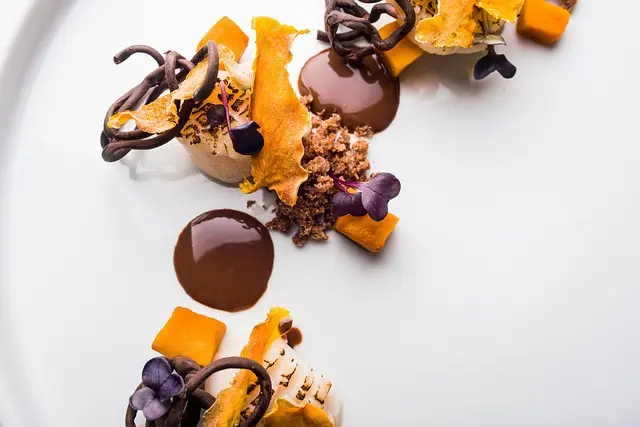
A dish’s presentation can transform the dining experience. Learn techniques for garnishing and how to effectively arrange food on a plate to enhance visual appeal.
7. Staying Updated with Culinary Trends
The culinary world is always evolving. Stay updated with the latest techniques and trends:
- Social Media: Follow culinary influencers and chefs for ideas and inspiration.
- Culinary Conferences: Attend culinary events to network and gain insights from industry leaders.
Checklist for Culinary Skills Development
- [ ] Master basic knife skills.
- [ ] Learn at least three different cooking methods.
- [ ] Cook dishes from five different cuisines.
- [ ] Attend one culinary class or workshop per month.
- [ ] Create a weekly cooking schedule.
- [ ] Record feedback and experiences in a cooking journal.
📺 For More Learning:
[How to Master Culinary Skills: A Step-by-Step Guide] is an in-depth video that covers various cooking techniques and essential advice for aspiring chefs. Search on YouTube: how to develop culinary skills 2026.
Glossary
| Term | Definition |
|---|---|
| Mise en Place | A French culinary phrase meaning "everything in its place" |
| Sous Vide | A method of cooking food slowly in a vacuum-sealed bag in a water bath at a precise temperature. |
| Flavor Profile | The combination of flavors that characterize a particular dish or cuisine. |
🧠 Quick Quiz:
> What cooking method uses a vacuum-sealed bag?
> - A) Sautéing
> - B) Grilling
> - C) Sous Vide
> Answer: C — It's a precise cooking method common in modern gastronomy.
📺 Pour aller plus loin : how to develop culinary skills 2026 sur YouTube