Table of Contents (24 sections)
Becoming a chef is not just about passion; it requires mastering essential cooking techniques. These skills form the backbone of culinary artistry and can elevate any aspiring chef from a novice to a culinary expert. In this tutorial, we will explore various fundamental techniques that will set you on the path to culinary mastery. Whether you want to impress your friends at a dinner party or launch a professional career in the culinary world, understanding these techniques is crucial.
1. Understanding Basic Cooking Techniques
To master the culinary arts, first, you need to grasp basic cooking techniques. These include boiling, steaming, sautéing, roasting, and baking. Each method serves a unique purpose and results in different textures and flavors.
Boiling
Boiling is one of the simplest cooking methods, primarily used for cooking pasta, vegetables, and even eggs. It's essential to understand that the temperature of boiling water (100°C or 212°F) is vital for ensuring that food cooks adequately without becoming mushy.
Steaming
Steaming is a health-conscious way to cook vegetables while preserving their nutrients. In fact, studies have shown that steaming can retain more vitamins compared to boiling.
Sautéing
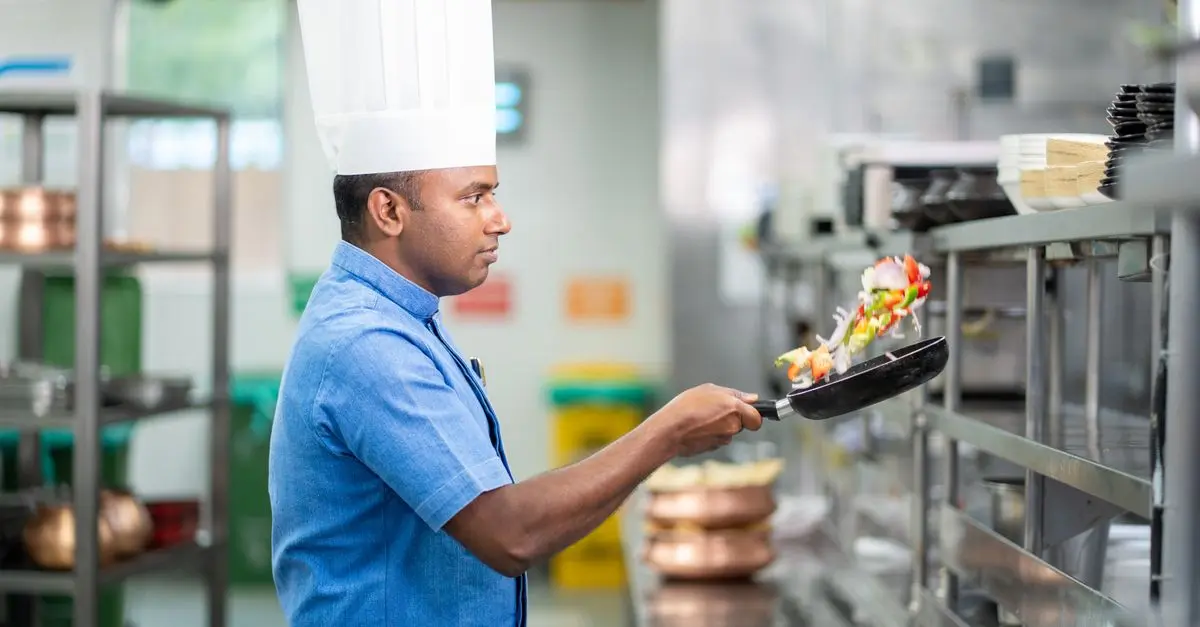
Sautéing involves cooking food quickly in a small amount of oil over relatively high heat. It’s perfect for cooking meats and vegetables that need a quick sear while keeping their flavors intact.
Roasting and Baking
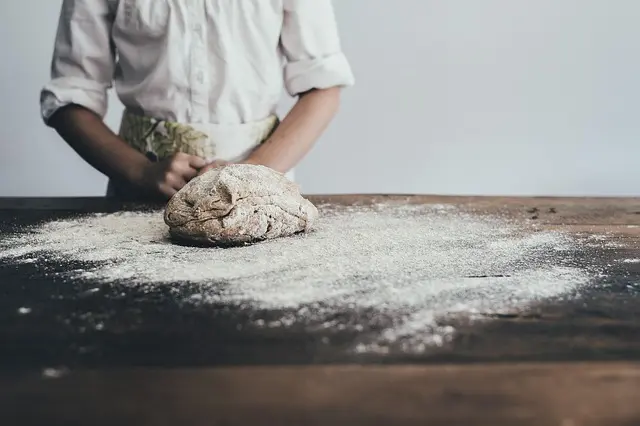
Roasting and baking both involve cooking food using dry heat, usually in an oven. Roasting is typically used for meats and root vegetables, while baking applies to dishes like bread and desserts. Learning the difference helps you decide which technique to use for your ingredients.
Practical Tips
- Always use the correct temperature for each method.
- Ensure ingredients are cooked evenly by cutting them into uniform sizes.
- Use proper seasoning to enhance flavors.
2. Knife Skills: The Foundation of Cooking
One cannot underestimate the importance of good knife skills in the culinary field. Mastering how to wield a knife can greatly influence your cooking experience.
Types of Cuts
Being familiar with various cuts (julienne, dice, mince) allows you to prepare your ingredients more effectively. For instance, a julienne cut for vegetables like carrots not only makes for beautiful presentation but also allows for faster cooking times. Additionally, understanding how to chop herbs or mince garlic quickly can enhance flavoring and save time.
Safety First
Remember always to use a cutting board and keep fingers safely away from the blade. Working with a sharp knife is also safer than a dull one, as it requires less force.

COOKING BOX Plancha a gaz PALMA - 4 feux - 10kW - 69x51x35 cm - Surface de cuisson: 62x35 cm - Noir
Aosom FR
3. Mastering Flavor Profiles
Every aspiring chef should know how to create and balance flavors to elevate their dishes. The five basic tastes—sweet, sour, salty, bitter, and umami—are critical in crafting a well-rounded meal.
Creating Depth
Experimenting with herbs, spices, and acids can create depth in your dishes. For example, adding a splash of lemon juice can cut through the fat of a rich dish, balancing the flavors beautifully. A well-prepared sauce can significantly elevate the end result of any dish.
The Importance of Seasoning
Proper seasoning is an art. Using salts—such as sea salt over table salt—can make a notable difference in taste. Likewise, learning to use fresh herbs instead of dried ones can add a vibrant touch to your meals.
4. Understanding Food Safety and Sanitation
Food safety is an often overlooked, yet critical aspect of cooking. Understanding the importance of proper food handling can prevent foodborne illnesses, which can be fatal.
Storage Techniques
Make sure to store food at appropriate temperatures, keeping perishable items refrigerated and raw meats separate from other foods to avoid cross-contamination. Using food thermometers to check temperatures ensures meats are cooked thoroughly.
Personal Hygiene
Additionally, maintaining proper personal hygiene while cooking—such as washing hands frequently and wearing clean attire—cannot be overstated.
5. Advanced Techniques: Sous Vide and Sous Vide Cooking
As you advance in your cooking journey, techniques like sous vide may pique your interest. This method involves cooking vacuum-sealed food in a water bath at a precise temperature for extended periods. It offers unparalleled control over the doneness of meats without worrying about overcooking.
Equipment Needed
Using immersion circulators and vacuum sealers can make this method accessible for aspiring chefs.
Flavor Infusion
Foods cooked using sous vide can also absorb marinades and spices more effectively, enhancing flavors profoundly.
6. Putting It All Together
To become proficient in cooking techniques, practice is essential. Regularly experimenting with new recipes and techniques, and perhaps even joining culinary classes, can solidify your learning.
Checklist for Beginners
- [ ] Master basic cooking techniques
- [ ] Develop knife skills
- [ ] Experiment with flavors
- [ ] Learn proper food safety protocols
- [ ] Try advanced techniques like sous vide
📺 Resource Video
For a deeper dive into mastering cooking techniques, check out “Mastering Essential Cooking Techniques” on YouTube. Search for: essential cooking skills for chefs 2026.
Glossary
| Term | Definition |
|---|---|
| Sautéing | Cooking food quickly in a small amount of fat at high heat. |
| Sous Vide | Cooking food in vacuum-sealed bags submerged in water at controlled temperatures. |
| Brunoise | A precise dicing method resulting in tiny uniform cubes. |
Quiz rapide
> 🧠 Quiz rapide : What is the purpose of sautéing?
> - A) Cooking food slowly |
> - B) Cooking food quickly with high heat |
> - C) Baking food in an oven
> Réponse : B — Sautéing involves cooking food quickly over high heat, enhancing flavors.
📺 Pour aller plus loin : essential cooking skills for chefs 2026 sur YouTube
Recommended products
Selected by our experts
COOKING BOX Plancha a gaz PALMA - 4 feux - 10kW - 69x51x35 cm - Surface de cuisson: 62x35 cm - Noir
Aosom FR
This gas griddle offers versatility for various cooking techniques, perfect for chefs looking to expand their cooking style.
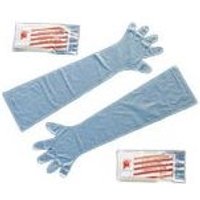
Gants zootechniques El.Cm85 50Pcs
DocMorris FR (ex DoctiPharma FR)
These gloves provide excellent grip and protection while handling food, ensuring safety in the kitchen.
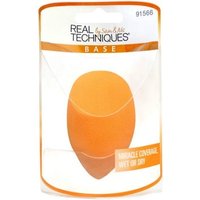
Eponge d'application Real Techniques 1pc
DocMorris FR (ex DoctiPharma FR)
A quality application sponge can enhance your presentation techniques and help achieve that professional finish.