Table of Contents (17 sections)
Culinary presentation techniques go beyond merely making food look appealing. They play a vital role in enhancing the overall dining experience. The way a dish is presented can influence a diner's mood and perception of flavor, making presentation an essential skill in both home and professional kitchens. According to experts, a well-plated dish can increase perceived value by up to 30% in restaurants. This fact alone underscores the importance of mastering these techniques.
Food presentation techniques can vary widely—from elegant plating styles in fine dining restaurants to creative and fun styles appropriate for casual gatherings. Understanding these strategies not only helps in improving aesthetics but also assists chefs in communicating their culinary concepts visually. Essential elements include color contrast, symmetry, height, and garnishing techniques. Consequently, mastering these presentation techniques can lead to greater customer satisfaction, increased chances of repeat business, and an overall elevated culinary reputation.
Steps to Master Culinary Presentation Techniques
Step 1: Understand Your Plate
Before diving into the art of plating, familiarize yourself with the types of plates you will be using. Different shapes, sizes, and colors can dramatically influence the appearance of your dish. White plates are commonly used in restaurants because they allow the colors of the food to stand out, creating beautiful contrasts. However, textured or colored plates can enhance certain dishes, setting the mood and contributing to the overall theme of the meal. One tip experts recommend is to observe how chefs plate their meals at your favorite restaurants. Pay attention to how they utilize various elements of the plate to highlight specific components of their dishes.
Step 2: Choose Your Colors Wisely
Color is a crucial factor in food presentation. Studies have shown that colorful plates are more appetizing, as vibrant colors often signify freshness. Incorporating a variety of colors—whether through ingredients or garnishes—can make your dishes pop. A great way to achieve this is by using seasonal vegetables, fruits, and even edible flowers. When arranging these colors on the plate, consider the composition. The rule of thirds is helpful here; divide the plate into three sections and aim to place different elements within these sections for visual balance. Avoid using too many colors, as this can create a chaotic look. Stick to a color palette that complements the theme of your dish.
Step 3: Play with Heights
Creating height and structure in your plating can add visual interest and make your dishes stand out. This technique is particularly effective with food that is stackable, such as a tower of mashed potatoes topped with a protein. Moreover, you can achieve height by layering ingredients or using molds. A common mistake is to keep everything flat—don’t hesitate to experiment with different arrangements. Be cautious, however, as height should not compromise the dish's balance. Aim for a presentation that feels stable and enticing.
Step 4: Use Sauces Effectively
Sauces can enhance flavor and visually elevate your dish. Instead of pouring sauce haphazardly over the food, consider applying it with a squeeze bottle, brush, or spoon for cleaner lines and shapes. Drizzling sauce around the plate can provide artistic flair and an invitation to explore the dish further. Additionally, adding dots or smears of sauce can create a more sophisticated look. Remember to ensure that your sauce is consistent—if it’s too runny or thick, it will detract from your presentation.
Step 5: Garnish Intelligently
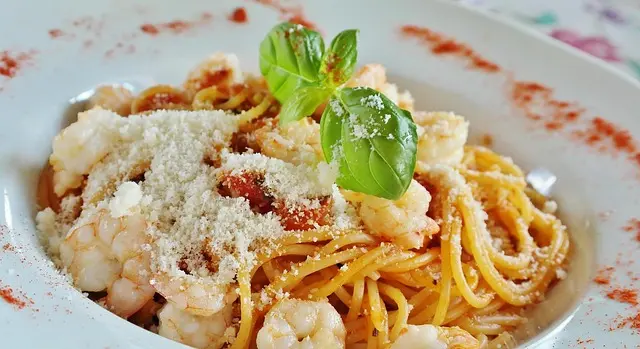
Garnishing is an art form in itself. A well-selected garnish can complement the flavors of your dish, whereas a poorly chosen one can overwhelm or clash with it. Fresh herbs, microgreens, or edible flowers can really enhance a dish. Avoid excessive garnishing that detracts from the main components. The key is to choose garnishes that provide texture, flavor, and color without overshadowing the dish's primary ingredients. A common mistake when garnishing is overdoing it; keep it simple and relevant.
📺 Resource Video
> 📺 For further exploration: Watch our video on plating techniques and tips for food presentation, an insightful analysis to refine your culinary skills. Search on YouTube: plating techniques cooking tutorial 2026.
What are the basic principles of food presentation?
To effectively present food, consider balance, contrast, texture, and space. Use these principles to create visual harmony on the plate.
How can I improve my plating skills at home?
Practice is key! Start by observing styles that you admire, then replicate them with your own dishes. Engage in creative cooking nights with friends to explore different presentation techniques.
Should I use a recipe when plating?
While recipes guide you in cooking, be flexible with plating. Use your creativity to adapt and modify the presentation style to fit your vision and ingredients.
What types of plates are best for food presentation?
White plates are popular in fine dining settings, but feel free to experiment with colored or textured plates that complement your dishes and theme.
Is garnishing necessary?
While garnishing can enhance the visual appeal of a dish, it is not always necessary. It should be relevant and should complement the dish—not distract from it.

Mount-It! - Portable Adjustable Standing Desk and Presentation Lectern with Tilting Top and Locking Casters - Black
bestbuy.com
Glossary
| Terme | Définition |
|---|---|
| Culinary Presentation | The method of arranging and decorating food to enhance its appeal. |
| Garnish | An item used to enhance the appearance and/or flavor of a dish. |
| Plate Composition | The arrangement and selection of components on a plate to create visual balance. |
Checklist before plating
- [ ] Understand the types of plates available.
- [ ] Choose a complementary color palette.
- [ ] Experiment with height and structure in your arrangement.
- [ ] Use sauces in a clean and intentional way.
- [ ] Select garnishes that enhance flavors.
Recommended Products
- [Portable Adjustable Standing Desk and Presentation Lectern]: This versatile portable desk is perfect for settings where you present culinary dishes, keeping your workspace organized and efficient.
- [Cooking Plating Kit]: Enhance your plating skills with tools specially designed for precise plating, making it easier to create stunning visual effects.
- [High-Quality Sauce Bottles]: Precision bottles are ideal for drizzling sauces, ensuring cleaner designs when plating.
By applying these culinary presentation techniques, you can elevate your cooking from a simple task to an art form that delights diners and showcases your skills. Start experimenting today, and watch as your dishes become a feast for the eyes!
📺 Pour aller plus loin : plating techniques cooking tutorial 2026 sur YouTube
Recommended products
Selected by our experts
Mount-It! - Portable Adjustable Standing Desk and Presentation Lectern with Tilting Top and Locking Casters - Black
bestbuy.com
This portable desk is perfect for showcasing culinary dishes during presentations, offering flexibility and functionality.