Table of Contents (12 sections)
Introduction to Culinary Techniques
As an aspiring chef, understanding culinary techniques is fundamental in improving your cooking skills. Culinary techniques refer to the methods used to prepare food and work with ingredients. Mastering these techniques not only enhances your cooking ability but also boosts your confidence in the kitchen. According to the Culinary Institute of America, chefs who have a solid grasp of basic techniques are more likely to succeed in developing their unique culinary styles. This article aims to guide you through various essential techniques that every aspiring chef should master to stand out in a competitive field.
Essential Cooking Techniques
To become a skilled chef, it is crucial to familiarize yourself with foundational cooking techniques. Here’s a closer look at some of the most important ones:
- Sautéing: This method involves cooking food quickly in a small amount of oil over relatively high heat. This technique is beneficial for retaining the flavors and nutrients of vegetables, meats, and seafood.
- Baking: Essential for both savory dishes and desserts, baking uses dry, indirect heat to cook food evenly. Understanding how to bake can significantly expand your culinary repertoire.
- Roasting: Similar to baking, but typically reserved for meats and vegetables, roasting uses a higher temperature to create a caramelized exterior. It infuses dishes with depth and complexity.
- Grilling: Utilize high, direct heat to cook food on a grate. Grilling enhances the natural flavors and creates appealing char marks, making meals visually enticing.
In addition to these techniques, it's essential to understand the science behind cooking, such as how heat affects the texture and flavor of ingredients. Mastery of these fundamental skills will pave the way for you to innovate and create.
NewAge Outdoor Kitchens Newage Products Outdoor Kitchen Cabinets Aluminum Slate Grey Glass Kamado Cabinet
garagegiantusa.com
NewAge Outdoor Kitchens Newage Products Outdoor Kitchen Cabinets Stainless Steel Kamado Cabinet
garagegiantusa.com
Step-by-Step Guide to Mastering Techniques
Step 1: Sautéing
- Preparation: Assemble your ingredients, cutting them into even-sized pieces for uniform cooking.
- Heat Your Pan: Choose a heavy-bottomed skillet. Heat oil until it shimmers but does not smoke.
- Add Ingredients: Place the ingredients in the pan without overcrowding. Aim to develop a nice sear on the surface.
- Stir and Toss: Use a spatula or wooden spoon to stir occasionally, ensuring they cook evenly.
- Finishing Touches: Season with salt and herbs towards the end of cooking to retain flavors.
- Serve Immediately: Transfer to a plate to maintain its texture and heat.
Step 2: Baking
- Preheat Your Oven: Ensure the oven is at the correct temperature before putting in your dish.
- Choose a Suitable Pan: Different dishes require different pans, such as glass, metal, or non-stick.
- Mixing Ingredients: Prepare your batter or mixture according to the recipe, ensuring accuracy in measurements for successful results.
- Bake Properly: Place the dish in the center of the oven. Rotate if necessary for even baking.
- Check Doneness: Use a toothpick for cakes or pastries; for casseroles, check that no liquid seeps out.
- Cooling: Allow the baked dish to cool for the recommended time before serving.
This structured approach ensures consistency and improves your proficiency in the kitchen.
Common Mistakes and How to Avoid Them
As you progress in your culinary journey, it's not uncommon to encounter some pitfalls. Here are some mistakes to avoid:
- Overcrowding the Pan: When sautéing or frying, overcrowding leads to steaming rather than browning. Always work in batches if necessary.
- Not Preheating: Failing to preheat pans or ovens can result in uneven cooking.
- Neglecting Seasoning: Make it a habit to taste your food as you cook and adjust seasoning to enhance flavors.
- Inconsistent Knife Skills: Practice knife skills to ensure even cooking. Uneven sizes can cause some pieces to be overcooked or undercooked.
- Ignoring Cooking Times: Each dish has specific cooking times. Use timers, not just intuition, to avoid overcooking.
By being aware of these common mistakes, you can refine your techniques and improve your outcomes significantly.
Advanced Techniques and Their Applications
Once you've mastered the basics, you can venture into advanced culinary techniques that can elevate your dishes:
- Sous Vide: A French technique where food is vacuum-sealed and cooked in a water bath at precise temperatures.
- Fermentation: This method allows food to develop complex flavors and improve preservation. From kimchi to yogurt, fermentation plays a crucial role in modern cuisine.
- Molecular Gastronomy: Combining food science with culinary art, this technique uses chemical and physical processes to create innovative dishes, such as spherification for sauces or foams.
These techniques not only broaden your skills but also position you at the forefront of culinary innovation.
Checklist before You Start
- [ ] Gather all necessary ingredients.
- [ ] Prepare your cooking space, ensuring cleanliness.
- [ ] Check that you have the right tools and equipment.
- [ ] Read through recipes and techniques beforehand.
- [ ] Practice knife skills for efficiency.
Q: What are some common culinary techniques?
A: Common techniques include sautéing, baking, roasting, grilling, and steaming.
Q: How can I improve my cooking skills?
A: Practice regularly, focus on mastering basic techniques, and experiment with new recipes.
Q: What should I do if I burn my food?
A: Assess the damage; if it's only on the surface, you may scrape it off and salvage the dish.
Q: Is formal training necessary to become a chef?
A: While formal training can be beneficial, hands-on experience and dedication are equally important in the culinary field.
📺 Ressource Vidéo
> 📺 For more insights: How to Master Cooking Techniques, explore in-depth examples of culinary methods. Search on YouTube: how to master culinary techniques 2026.
Glossaire
| Terme | Définition |
|---|---|
| Sautéing | Cooking quickly in a small amount of oil over high heat. |
| Baking | Using dry, indirect heat to cook food evenly, essential for baked goods. |
| Fermentation | Process of converting sugar to acids, gases, or alcohol using microorganisms, enhancing flavors and preservation. |
---
📺 Pour aller plus loin : Knife Skills Progression sur YouTube
Recommended products
Selected by our experts

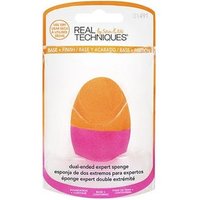
Eponge applicatrice Real Techniques avec couvercle 1pc
DocMorris FR (ex DoctiPharma FR)





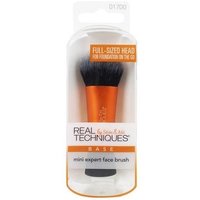
Kit de pinceaux Real Techniques Artist Essentials
DocMorris FR (ex DoctiPharma FR)