Table of Contents (10 sections)
Becoming a chef is a rewarding journey that demands not only passion but also a diverse skill set. Understanding culinary techniques is foundational for any aspiring chef. Culinary techniques are essential methods used in cooking, from basic knife skills to complex cooking methods. This guide offers a structured approach to mastering these techniques, enabling you to step confidently into a professional kitchen.
1. Understanding Culinary Techniques
Understanding culinary techniques is crucial for any aspiring chef. These techniques encompass various methods of food preparation, cooking styles, and presentation skills that elevate the dining experience. Culinary techniques are categorized into several types, including but not limited to, knife skills, cooking techniques like roasting and steaming, and baking methods. Mastering the basics ensures a solid foundation on which to build complex skills.
For example, knife skills are not just about chopping vegetables; they involve understanding different knife types, their uses, and techniques like julienne or chiffonade cuts. To become proficient, practice regularly and consider taking classes or watching tutorials. Cultivating these foundational skills will improve your efficiency and accuracy in the kitchen, which is invaluable in a high-paced cooking environment.
2. Essential Knife Skills
Knife skills are paramount for any chef. A proficient cook should feel comfortable using various knives, understanding their functions, and mastering cutting techniques. Here’s a simple step-by-step guide to developing your knife skills:
- Choose the Right Knife: Start with a chef's knife which is versatile for various tasks.
- Learn the Grip: Hold the knife firmly, curling your fingers under to maintain a secure grip without risking injury.
- Practice Basic Cuts: Start with basic cuts like dicing, mincing, and julienne. Focus on consistency in size as it affects cooking times and presentation.
- Work on Speed: As you become more comfortable, time yourself to see improvements. Aim for efficiency without sacrificing safety.
- Organize Your Workspace: Keep your cutting board clean and free of distractions, ensuring a safe and efficient environment for practice.
Incorporate these skills into your daily cooking routine to develop muscle memory. Regular practice develops precision and speed—critical aspects for any professional chef.
NewAge Outdoor Kitchens Newage Products Outdoor Kitchen Cabinets Aluminum Slate Grey Glass Kamado Cabinet
garagegiantusa.com
NewAge Outdoor Kitchens Newage Products Outdoor Kitchen Cabinets Stainless Steel Kamado Cabinet
garagegiantusa.com
3. Cooking Techniques: Boiling vs. Steaming
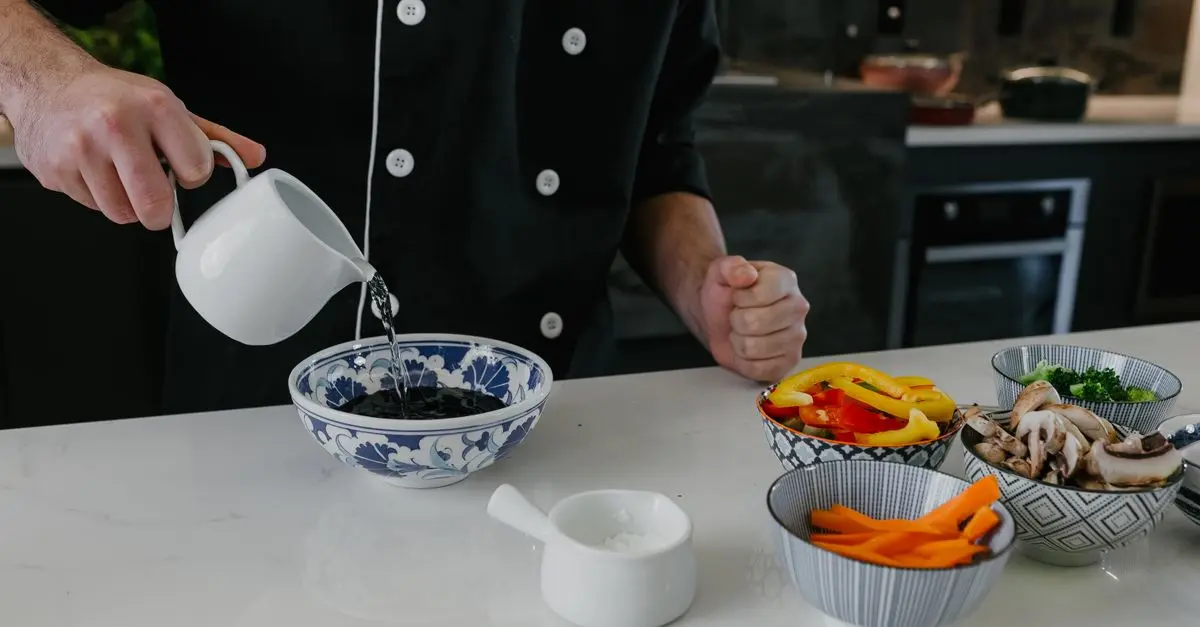
Understanding the nuances between cooking techniques helps improve your culinary repertoire. Let’s compare boiling and steaming, two fundamental cooking methods:
| Critère | Boiling | Steaming | Verdict |
|---|---|---|---|
| Moisture | Uses a lot of water | Uses steam | Steaming retains nutrients better |
| Flavor retention | Can dilute flavors | Enhances natural flavors | Steaming is preferable for taste |
| Texture | Softens food | Retains firmness | Steaming keeps more texture |
| Cooking time | Generally faster | Often takes longer | Boiling is quicker overall |
4. Baking Techniques
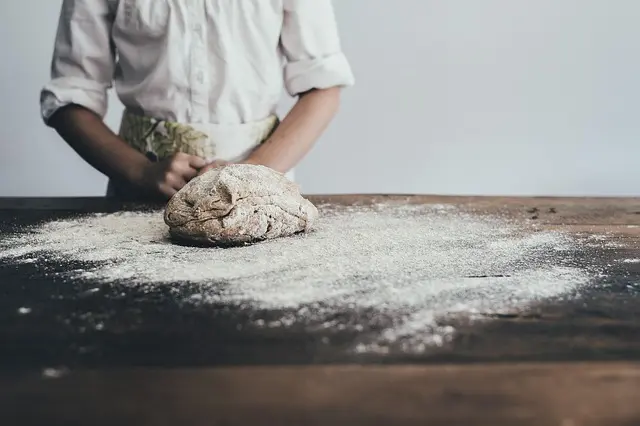
Baking is a culinary art form that requires precision and understanding of techniques such as mixing, folding, and baking temperatures. Here are some baking techniques to master:
- Mixing: Understand the purpose of different mixing techniques such as creaming, folding, and kneading which each have unique effects on the final product.
- Temperature Control: Learn how to use an oven thermometer to ensure your baking temperature is accurate; this can impact rise and texture.
- Ingredient Substitution: Familiarize yourself with common ingredient substitutions to enhance flavor or accommodate dietary restrictions.
A common mistake is overmixing batter, which can lead to dense baked goods. Instead, mix just until ingredients are incorporated for the best texture in cakes and cookies.
5. Plating and Presentation Techniques
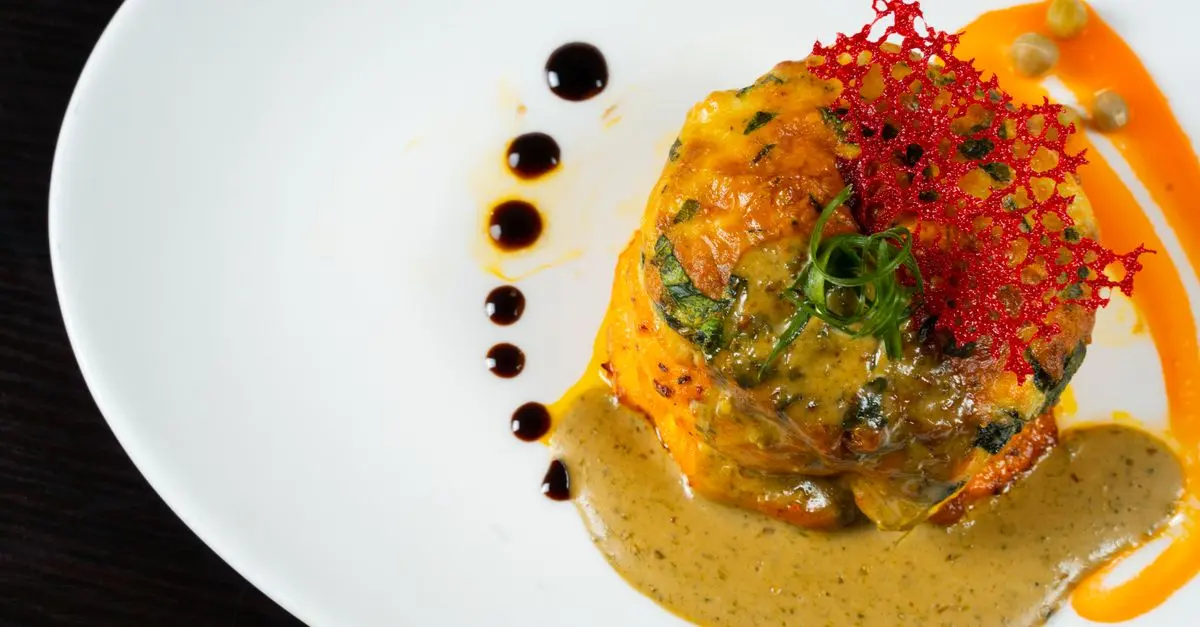
Presentation is just as important as the flavors in the dishes you prepare. Mastering plating techniques can set you apart:
- Use of Color: Incorporate colorful ingredients to create visual interest. Greens like arugula or herbs can brighten a plate.
- Balance and Composition: Arrange food in a way that feels balanced. Think about height, layers, and negative space on the plate.
- Garnishing: Use garnishes sparingly; they should enhance the dish, not overshadow it.
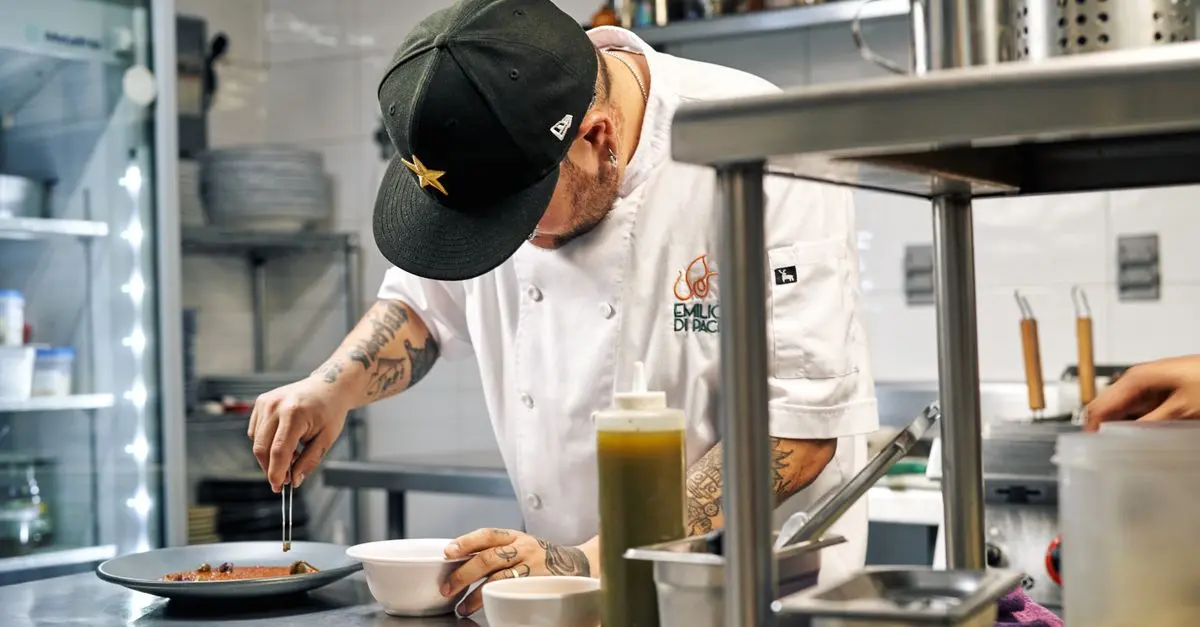
Ultimately, practice is key in developing your plating skills. Study professional plating examples to understand how experienced chefs construct their plates visually.
6. Advanced Techniques and Specialties
Once you've mastered basic culinary techniques, consider exploring advanced techniques such as sous-vide or molecular gastronomy. These approaches require specific tools and skills but can significantly elevate your culinary prowess:
- Sous-Vide: This method involves vacuum-sealing food and cooking it slowly in a water bath at a precise temperature, ensuring perfect doneness.
- Molecular Gastronomy: This innovative approach combines culinary arts with science, often resulting in unique textures and presentations such as foams and gels.
Expanding your skill set into these areas can lead to creative gastronomic experiences both for you and your guests.
Checklist before you start:
- [ ] Invest in quality knives.
- [ ] Practice basic and advanced cutting techniques.
- [ ] Familiarize yourself with various cooking methods.
- [ ] Learn to bake with precision.
- [ ] Experiment with plating to enhance presentation.
Conclusion
Mastering culinary techniques is a journey that requires time, practice, and passion. As you hone your skills, remember that continual learning is vital in the culinary world. Embrace each technique, understand its application, and explore how it can enhance your cooking. You’re not just learning to cook; you’re crafting experiences that delight and inspire.
📺 For further insight: Check YouTube for videos on mastering culinary techniques. Search:
culinary techniques tutorial 2026.
Glossaire
| Terme | Définition |
|---|---|
| Culinary Techniques | Methods and skills in cooking and food preparation. |
| Sous-Vide | Cooking method where food is vacuum-sealed and cooked in water at a precise temperature. |
| Molecular Gastronomy | The science of cooking that focuses on the physical and chemical transformations of ingredients. |
---
📺 Pour aller plus loin : culinary techniques tutorial 2026 sur YouTube
Recommended products
Selected by our experts
NewAge Outdoor Kitchens Newage Products Outdoor Kitchen Cabinets Aluminum Slate Grey Glass Kamado Cabinet
garagegiantusa.com
This kitchen cabinet provides ample storage and organization, essential for a functional and efficient culinary workspace.
NewAge Outdoor Kitchens Newage Products Outdoor Kitchen Cabinets Stainless Steel Kamado Cabinet
garagegiantusa.com
The stainless steel design ensures durability and ease of maintenance, perfect for any aspiring chef's outdoor kitchen.
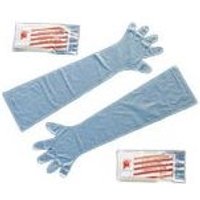
Gants zootechniques El.Cm85 50Pcs
DocMorris FR (ex DoctiPharma FR)
Quality gloves are essential for maintaining safety and cleanliness in the kitchen, especially when handling hot or raw ingredients.