Table of Contents (11 sections)
Understanding Culinary Techniques
Culinary techniques encompass a variety of methods used in cooking to transform raw ingredients into delicious dishes. Mastering these techniques is essential for anyone aspiring to become a chef. They form the backbone of culinary arts, enabling chefs to create complex flavors and textures while ensuring consistency and quality in their cooking. Understanding the context and significance of these techniques can drastically improve your culinary skills and boost your confidence in the kitchen.
The importance of culinary techniques can be linked to various culinary traditions and innovations throughout history. From classic French cooking methods to modern molecular gastronomy, these techniques continuously evolve and adapt, providing a flexible foundation for chefs. Without a firm understanding of these methods, aspiring chefs may struggle to create dishes that are not only pleasing to taste but also visually appealing.
Further, culinary techniques often vary based on cuisine. Recognizing the nuances across cultures can enhance creativity and innovation in your cooking. For instance, sous-vide techniques in French cuisine or the unique wok methods used in Asian cooking highlight the diversity of culinary art forms. By mastering these foundational skills, you'll place yourself in a position to innovate within any culinary tradition.
Step 1: Knife Skills
A chef's primary tool is undeniably the knife, which makes proficiency in knife skills essential. Proper technique not only enhances safety but also increases efficiency during food preparation. Start by familiarizing yourself with various knife types: chef's knife, paring knife, and bread knife, each serving distinct purposes. Understanding these variations will help you choose the right tool for any task.
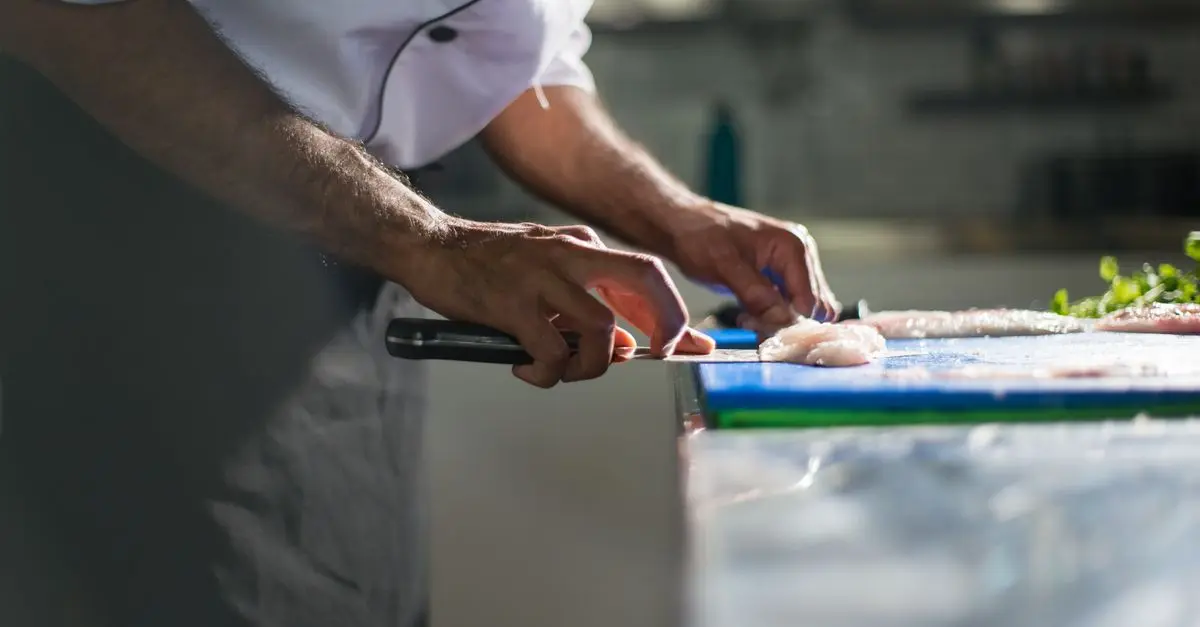
To practice, begin with basic techniques: slicing, dicing, and chopping. Hold the knife comfortably, using your dominant hand, while using a stable cutting board. As you slice, keep your non-dominant hand in a claw grip to protect your fingers. This technique minimizes the risk of injury while maximizing control.
An effective way to develop your knife skills is through repetition. Prepare a batch of vegetables daily, focusing on uniformity in size. The rule of thumb is that consistent sizes will ensure even cooking. Remember, danger often lies in improper handling. Unsharpened knives are more dangerous than sharp ones because they require more force, increasing the risk of slippage. Invest in a good sharpening tool for maintenance.
Checklist for Knife Skills:
- [ ] Learn the types of knives and their purposes
- [ ] Practice proper grip techniques
- [ ] Focus on consistent cutting sizes
- [ ] Invest time in sharpening
Step 2: Cooking Methods
Cooking methods can be broadly categorized into two types: dry heat and moist heat techniques. Understanding these methods will empower you to choose the right approach for your ingredients. Dry heat cooking methods include options like roasting, grilling, and sautéing, while moist heat techniques encompass boiling, steaming, and poaching.
For example, mastering roasting involves cooking food evenly while allowing it to develop rich flavors and textures. This method employs high heat to create a caramelized, crispy exterior while retaining moisture within the ingredient. Conversely, steaming is ideal for retaining nutrients in vegetables, as it allows them to cook without direct contact with water.
A crucial aspect to consider is the ingredient you are cooking. For proteins, different methods yield contrasting results. Grilling steak can impart a rich, smoky flavor, while poaching fish maintains delicacy and tenderness. Analyze each dish and experiment with methods until you find the techniques that produce the results you envision. Remember, developing a palate and understanding how each cooking method impacts flavor and texture is invaluable for any chef.
Step 3: Flavor Development
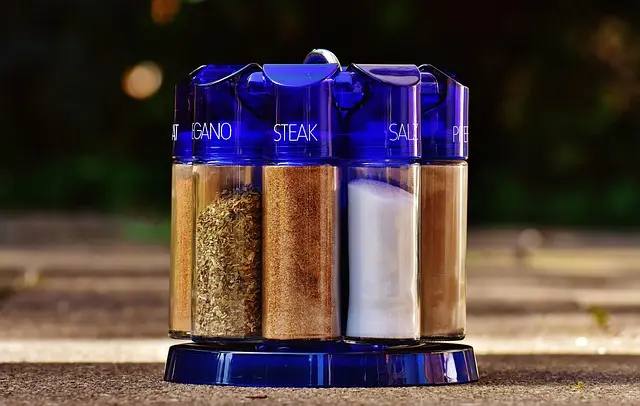
Creating layers of flavor in your dishes differentiates an average meal from a fantastic one. Flavor development is an art that combines various techniques such as seasoning, marinating, and deglazing. Start by learning how to season your ingredients properly; this is often the most important step in ensuring a depth of flavor. Use salt and acid to enhance the natural flavors in your food.
Another crucial technique is marinating, which involves soaking ingredients in a flavorful liquid before cooking. Acid-based marinades, such as lemon juice or vinegar, can help tenderize meats while infusing them with additional flavor. Be mindful of timing – marinating for too long can negatively impact the texture.
Additionally, mastering the art of deglazing can elevate your cooking. After sautéing ingredients, adding liquid to the hot pan helps dissolve caramelized bits, forming a delicious base for sauces. Practicing these methods will refine your culinary prowess and ensure that flavor remains a priority in every dish you create.
Step 4: Plating and Presentation
Plating is the last step in the cooking process but plays a significant role in the overall dining experience. A well-plated dish can stimulate excitement before the first bite is taken. Essential components of plating include color contrast, texture variety, and symmetry. Use fresh herbs, sauces, and garnishes to enhance the visual appeal of your dish.
When designing a plate, consider the use of negative space. Leaving empty areas helps draw the eye to the food, making the dish seem less cluttered. Additionally, vary the arrangement of ingredients to introduce movement and intrigue. Try different heights – stacking or leaning components can create an elegant presentation.
The psychological aspect of plating should not be underestimated. Research shows that visually appealing meals can enhance the perception of taste. As you master plating techniques, don’t forget to taste your food as well; let the flavors be as compelling as the presentation.
Step 5: Continual Learning
The culinary world is ever-evolving. To stay ahead as a chef, a commitment to continual learning is vital. Attend workshops, culinary schools, or online classes to broaden your skill set. Diving into culinary literature will introduce you to new techniques and cuisines, enriching your culinary repertoire.
Understanding food science can also elevate your cooking. Learn about the chemical reactions that occur during cooking and how they affect flavors and textures. For instance, the Maillard reaction is responsible for browning and contributes significantly to the flavor profile of grilled meat.
Lastly, don’t forget to gather feedback from peers and mentors. Constructive criticism helps you identify strengths and weaknesses, ensuring a path to continuous improvement in your culinary journey.
💡 Expert Opinion: To thrive in the culinary field, mastering techniques like knife skills, flavor development, and plating are fundamental steps that pave the way for greater creativity.
📺 Resource Video
> 📺 For further insight: Mastering Culinary Techniques for Aspiring Chefs, an in-depth video analysis. Search on YouTube: culinary techniques tutorial 2026.
Checklist
- [ ] Master knife skills and various cutting techniques
- [ ] Understand dry and moist cooking methods
- [ ] Develop flavor through seasoning and marinating
- [ ] Experiment with plating for visual appeal
- [ ] Commit to continual education and feedback
Glossary
| Term | Definition |
|---|---|
| Sauté | A cooking method where food is cooked quickly in a small amount of oil over high heat. |
| Mise en Place | A French culinary phrase meaning "everything in its place", referring to having ingredients prepped before cooking. |
| Deglazing | The process of adding liquid to a hot pan to dissolve browned food residue and create a flavorful base for sauces. |
---
📺 Pour aller plus loin : culinary techniques tutorial 2026 sur YouTube