Table of Contents (16 sections)
Becoming a chef is a journey that requires a solid foundation in culinary techniques. Mastering these skills is essential for creating delectable dishes and elevating your culinary artistry. In this guide, we will explore various culinary techniques, breaking them down into manageable steps and providing in-depth insights to help you on your journey.
1. Understanding Culinary Techniques
What Are Culinary Techniques?
Culinary techniques are the various methods and skills required to prepare and cook food. These techniques are not just about following recipes; they involve understanding the science behind cooking, flavor profiles, and presentation. Mastering culinary techniques enables chefs to create consistent and high-quality dishes.
In the culinary world, there are fundamental techniques that every chef should master. These include chopping, sautéing, roasting, baking, and blanching. Each technique serves a purpose and contributes to the development of flavors and textures in food.
Understanding the difference between these techniques is vital. For example, sautéing involves cooking food quickly in a small amount of oil over high heat, which can enhance flavors by creating a crust. In contrast, roasting involves cooking food slowly to develop deeper flavors and tenderness. By grasping these differences, you can make informed choices about how to prepare your ingredients.
2. Essential Culinary Techniques
Step 1: Knife Skills
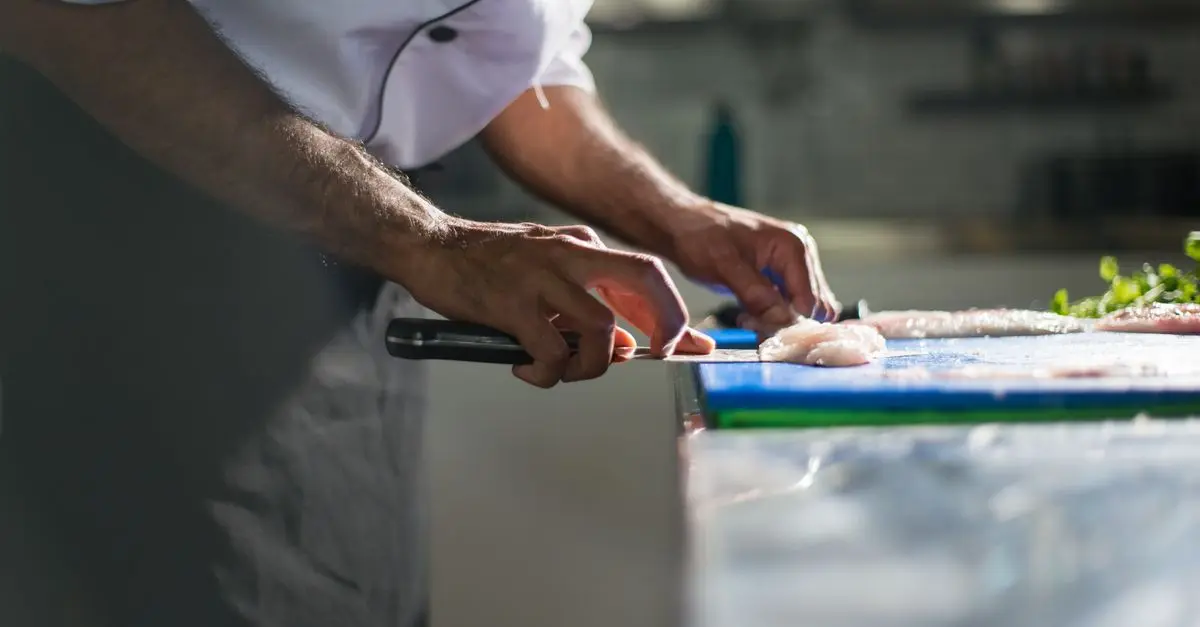
Knife skills are the foundation of all culinary techniques. Knowing how to slice, dice, julienne, and chiffonade will not only improve the presentation of your food but also ensure even cooking. Practice using different types of knives—such as chef’s knives, paring knives, and serrated knives—to become proficient.
- Tip: Invest in good quality knives and keep them sharp. A dull knife is more dangerous and makes cutting harder than it needs to be.
- Common Mistake: Rushing your knife work can lead to uneven cuts, which affect cooking times and presentation. Always take your time to ensure precision.
Step 2: Mastering Cooking Methods
There are several primary methods for cooking food:
- Sautéing: This technique uses a small amount of oil in a hot pan to quickly cook food, enhancing flavors and textures. Ideal for vegetables and proteins.
- Braised Cooking: Involves slow cooking meat in liquid, which tenderizes it and infuses it with flavor. This method is excellent for tougher cuts of meat.
- Baking and Roasting: These dry heat methods are essential for various dishes, from pastries to whole turkeys. Understanding how to control oven temperature and timing can significantly impact your final dish.
Pro Tip: Always preheat your oven. This ensures even cooking, especially for baking.
3. Practicing Flavor Development
Step 3: Seasoning Techniques
Mastering the use of salt, herbs, and spices can elevate your dishes to restaurant-quality. Here are some tips on how to enhance flavors effectively:
- Layering Flavors: Season your food at different stages of cooking—the start, middle, and end—to build depth.
- Taste as You Go: Developing a habit of tasting food during the cooking process helps you adjust seasoning and flavors appropriately.
- Common Mistake: Over-seasoning at the beginning can lead to an overly salty dish. Remember that flavors concentrate as they cook.
4. Advanced Techniques
Step 4: Sous Vide Cooking
Sous vide, meaning "under vacuum," is an advanced cooking method where food is sealed in a vacuum bag and submerged in a water bath at a precise temperature. This technique allows for tender, perfectly cooked meat and can even be used for vegetables. To master sous vide:
- Invest in a sous vide immersion circulator.
- Keep your food sealed properly to prevent water from entering.
Caution: Always ensure your vacuum-seal bags are suitable for this method to avoid any health concerns.
5. Plating and Presentation
Step 5: Plating Techniques
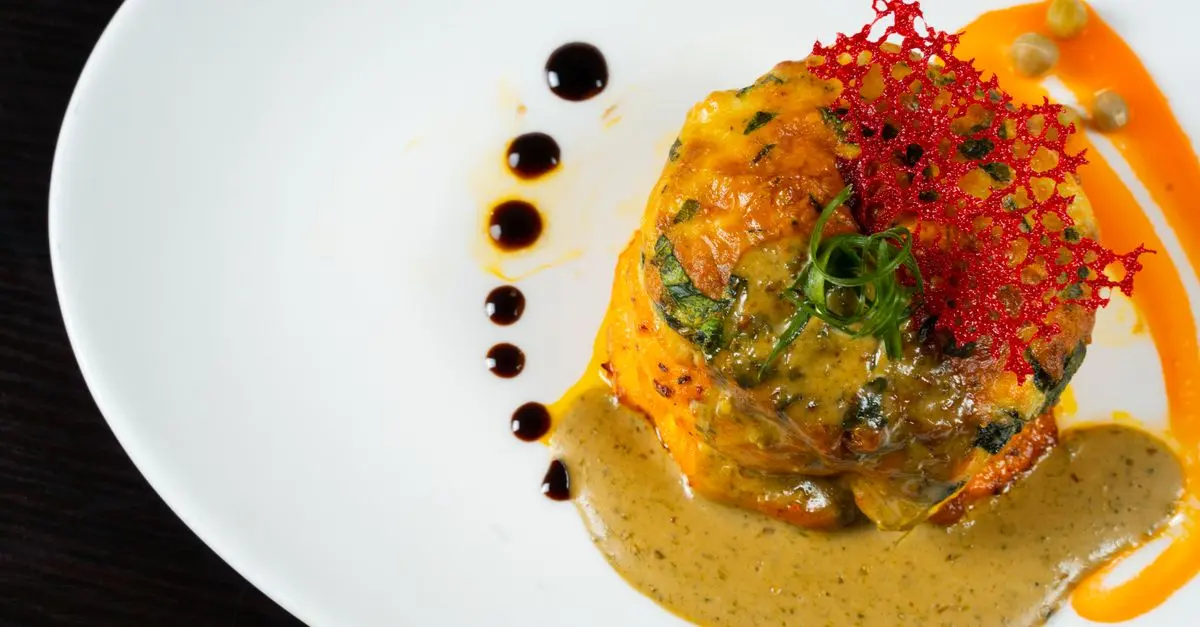
Presentation is key to enhancing the dining experience. Here are some plating techniques to consider:
- Use of Colors and Textures: Incorporate different sauces, garnishes, and textures for visual appeal.
- Negative Space: Don’t overcrowd the plate; leave some space to allow each element to shine.
- Common Mistake: Avoid using too many contrasting elements that distract from the main dish, leading to a cluttered plate.
Summary
In summary, mastering culinary techniques is crucial for aspiring chefs. Start with the basics, practice regularly, and gradually move toward advanced methods. Experimentation and a passion for culinary arts will lead to developing your unique style.
Checklist before mastering culinary techniques
- [ ] Invest in good quality knives
- [ ] Practice knife skills regularly
- [ ] Experiment with different cooking methods
- [ ] Keep a notebook of seasoning techniques
- [ ] Work on plating presentation skills
Glossary
| Term | Definition |
|---|---|
| Sautéing | Cooking food quickly in a small amount of hot fat |
| Blanching | Briefly boiling food, then plunging it into cold water |
| Sous Vide | Cooking food slowly at a precise temperature in a vacuum-sealed bag |
📺 Resource Video
For more in-depth culinary techniques, this video offers a visual guide: Discover Essential Culinary Techniques for Aspiring Chefs. Search on YouTube: "culinary techniques 2026".
🧠 Quiz rapide : What is the key benefit of sous vide cooking?
- A) It saves time
- B) It enhances flavors
- C) It is more traditional
Réponse : B — Sous vide cooking enhances flavors by cooking food at a precise temperature.
📺 Pour aller plus loin : culinary techniques 2026 sur YouTube
Recommended products
Selected by our experts
Gants zootechniques El.Cm85 50Pcs
DocMorris FR (ex DoctiPharma FR)
These technical gloves can be beneficial for preparation and handling hot items safely in the kitchen.