Table of Contents (11 sections)
Embarking on a journey to become a chef requires mastering foundational culinary techniques. Whether you are starting your culinary education or looking to refine your skills, understanding these techniques is crucial for your success in the kitchen. This guide provides a step-by-step approach to help aspiring chefs become proficient in fundamental cooking skills that will set them apart in the culinary world.
Importance of Culinary Techniques
Culinary techniques are the building blocks of all cooking. They encompass skills such as slicing, chopping, sautéing, and baking. Mastering these techniques not only enhances your efficiency but also elevates the quality of your dishes. As noted by Culinary Institute of America, proficient technique execution can significantly impact the taste and presentation of food.
For instance, the way you chop vegetables can affect their cooking time and how they release flavors into a dish. A precise julienne cut allows for even cooking and the right texture, which can enhance a salad or stir fry considerably. Furthermore, techniques often play a vital role in food safety. For example, cooking meats to the appropriate internal temperature ensures that harmful bacteria are eliminated, promoting better health and safety in food preparation.
In a competitive culinary field, demonstrating expertise in these techniques will not only impress your peers but also your employers. Learning these skills is an investment in your culinary future, paving the way for advanced techniques and creative expression in the kitchen.
Step 1: Knife Skills
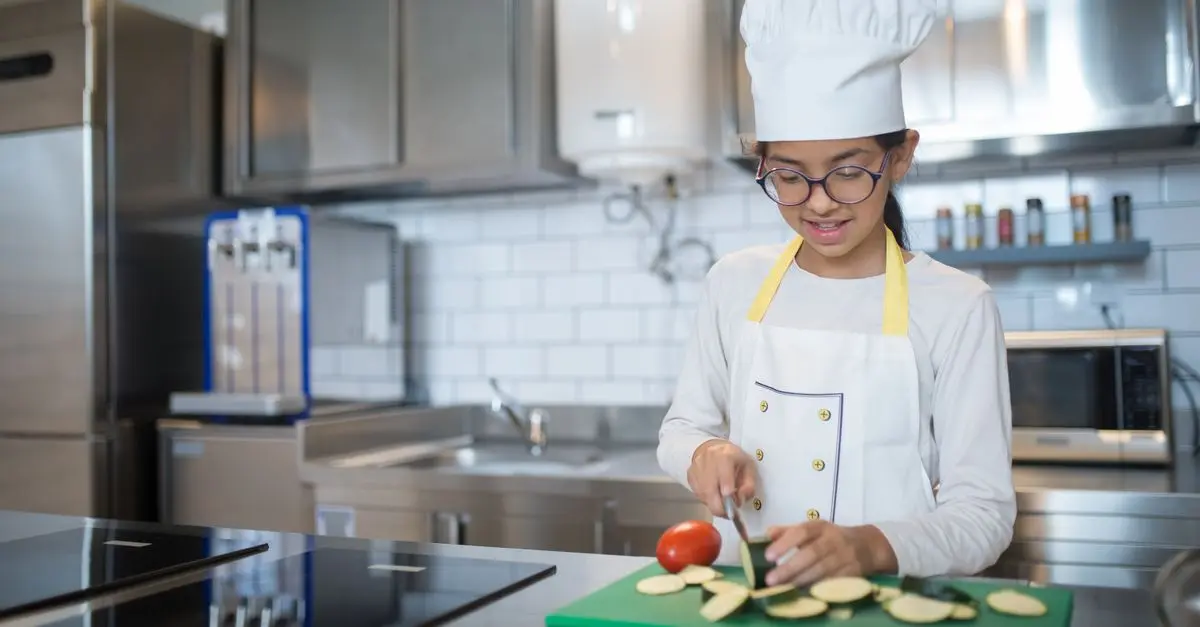
The first step in mastering culinary techniques is developing solid knife skills. A chef's knife is an essential tool, and learning how to use it correctly is paramount. Begin by learning the different types of cuts: dice, chop, julienne, and chiffonade. Effective knife skills increase safety and efficiency, as well as yield better results.
Tips for Improving Knife Skills
- Practice Regularly: Begin with soft vegetables like zucchini and gradually work your way up to tougher ones such as carrots.
- Safety First: Keep your fingertips tucked under and use a cutting board to provide a stable surface.
- Use the Right Knife: New chefs often struggle with dull knives; ensure your knife is sharp for safer and faster cutting.
Common mistakes include using the wrong knife for the task at hand or not maintaining a consistent cutting technique. As you progress, aim for speed without sacrificing accuracy to elevate your culinary skills.
Step 2: Cooking Methods
Mastering various cooking methods is essential for any aspiring chef. These methods include baking, sautéing, boiling, grilling, and braising. Each method applies heat differently and impacts texture, flavor, and appearance. Familiarity with each technique allows for creativity and versatility in dish preparation.
Breakdown of Techniques
- Sautéing: Quickly cooking food in a small amount of fat over high heat. Ideal for vegetables and proteins that require gentle cooking and retaining texture.
- Baking: Using dry heat in an oven. Essential for bread, pastries, and casseroles, where even heat is critical for success.
- Grilling: Imparts a smoky flavor while allowing fats to drip away. It is commonly used for meats and vegetables.
Learning the nuances of each method allows you to choose the right technique for your dish. It’s also essential to master the concept of doneness, particularly with meats, where proper cooking times can prevent foodborne illnesses.
Step 3: Flavor Building
Understanding flavor profiles is crucial for culinary mastery. The ability to season dishes correctly can elevate a meal from bland to exceptional. Techniques such as sautéing aromatics, balancing acidity, and layering flavors through gradual seasoning are keys to achieving depth in your dishes.
Common Seasoning Techniques
- Aromatics: Start by sautéing onions, garlic, or ginger before adding other ingredients. This technique builds a rich base for your dish.
- Deglazing: After sautéing, add a liquid (stock, wine, etc.) to lift the fond from the pan, enhancing flavor complexity.
- Taste as You Go: Regularly tasting your dish ensures that you achieve the intended flavor profile.
Mistakes often occur when a chef relies solely on one seasoning. Variety is essential; combining herbs, spices, and acid creates flavorful depth. Continually learning and experimenting with different seasonings builds a strong culinary instinct.
Step 4: Plating
Presentation plays a significant role in the culinary arts. Proper plating techniques can enhance the visual appeal of a dish, making it more appetizing. Start by understanding the concepts of color contrast, height, and balance on the plate.
Plating Techniques to Consider
- Use the Right Plate: The plate’s color and shape can impact how the dish is perceived. White plates are popular as they allow food to stand out.
- Layering: Create height on the plate to engage the diner's eye. Stack components rather than spreading them out.
- Garnishes: Use fresh herbs, drizzles of sauce, or edible flowers to enhance the aesthetics without overpowering the dish.
Aspiring chefs often underestimate the importance of plating. It is your final chance to convey a dish's essence and artistry. Practice will help refine your skills, allowing for personal expression in presentations.
Checklist Before Cooking
- [ ] Evaluate your workspace and ingredients.
- [ ] Ensure all tools are sharp and clean.
- [ ] Review recipes thoroughly before starting.
- [ ] Organize ingredients and equipment for efficiency.
- [ ] Taste and adjust seasoning continuously.
💡 Expert Tip: According to the American Culinary Federation, consistent practice and feedback are vital for improving your culinary skills over time.
Conclusion
Mastering culinary techniques is essential for becoming a successful chef. Each stage of learning is interconnected, from perfecting knife skills to creating flavorful dishes and presenting them beautifully. Continuous practice and exploration of these techniques will undoubtedly enhance your culinary journey, leading you to greater creativity and success in the kitchen.
- What are the most important culinary techniques to learn first?
It’s crucial to start with knife skills, basic cooking methods, and flavor building before moving on to advanced techniques.
- How can I improve my knife skills?
Consistent practice with various vegetables and using the correct blade will enhance your confidence and effectiveness.
- What is the best way to season my food?
Start with aromatics and taste frequently to build flavor complexity evenly.
- Is plating really that important?
Yes, presentation significantly impacts a diner's perception and enjoyment of a dish.
Glossary
| Terme | Définition |
|---|---|
| Julienne | Technique de coupe en fines lanières. |
| Sautéing | Cuisson rapide à feu vif dans une petite quantité de graisse. |
| Deglazing | Ajout d'un liquide à une poêle chaude pour dissoudre les sucs. |
📺 Ressource Vidéo
> 📺 Pour aller plus loin : Mastering Culinary Skills, une analyse complète des techniques culinaires. Recherchez sur YouTube : culinary techniques tutorial 2026.
📺 Pour aller plus loin : culinary techniques tutorial 2026 sur YouTube
Recommended products
Selected by our experts
NewAge Outdoor Kitchens Newage Products Outdoor Kitchen Cabinets Aluminum Slate Grey Glass Kamado Cabinet
garagegiantusa.com
The Outdoor Kitchen Kamado Cabinet is perfect for aspiring chefs who want an organized space for their ceramic BBQs and cooking essentials.
NewAge Outdoor Kitchens Newage Products Outdoor Kitchen Cabinets Stainless Steel Kamado Cabinet
garagegiantusa.com
An Outdoor Kitchen Kamado Cabinet made of stainless steel provides durability and style, suitable for chefs looking to create an impressive cooking environment.
Gants zootechniques El.Cm85 50Pcs
DocMorris FR (ex DoctiPharma FR)
Protect your hands with specialized gloves while practicing culinary techniques to maintain safety and hygiene in the kitchen.