Table of Contents (12 sections)
Becoming a successful chef involves more than just passion; it requires mastering essential cooking techniques. This guide offers a comprehensive overview of vital methods that every aspiring chef should learn. From knife skills to sauces, you'll gain insights that not only improve your cooking but also enhance your confidence in the kitchen.
📚 Introduction to Essential Cooking Techniques
Essential cooking techniques are foundational skills that every chef, whether novice or experienced, should understand. These include techniques such as sautéing, roasting, poaching, and more. Mastering these methods allows chefs to prepare a wide range of dishes with precision and creativity.
Understanding these fundamental techniques is important because they serve as the base for more complex recipes. The Culinary Institute of America emphasizes that a strong grasp of basic techniques is critical for culinary success. Practicing these skills will help you develop an instinct for cooking, making it easier to improvise and innovate in the kitchen.
Common reasons why aspiring chefs struggle include lack of practice and unfamiliarity with equipment. By focusing on essential techniques, you can overcome these hurdles and gradually build your culinary repertoire.
🥗 Step-by-Step Guide to Mastering Cooking Techniques
1. Knife Skills
Developing proper knife skills is a crucial step in your culinary journey. The way you handle a knife can dramatically affect the outcome of your dish. Begin by choosing a good-quality chef's knife; it should feel comfortable in your hand and be balanced.
Practice basic cuts like chiffonade, julienne, dice, and mince. Each technique has its purpose:
- Chiffonade is perfect for herbs and leafy greens.
- Julienne is typically used for vegetables like carrots and zucchini.
- Dicing creates uniform cubes for consistent cooking.
- Mincing is ideal for garlic and onions to release maximum flavor.
To avoid errors, keep your fingers curled under and use a stable cutting board. Additionally, always prioritize safety; use a cutting board that doesn’t slip, and ensure your knife is sharp to reduce the chance of injury. Regular practice, even for just a few minutes daily, can significantly enhance your skills over time.
2. Sautéing
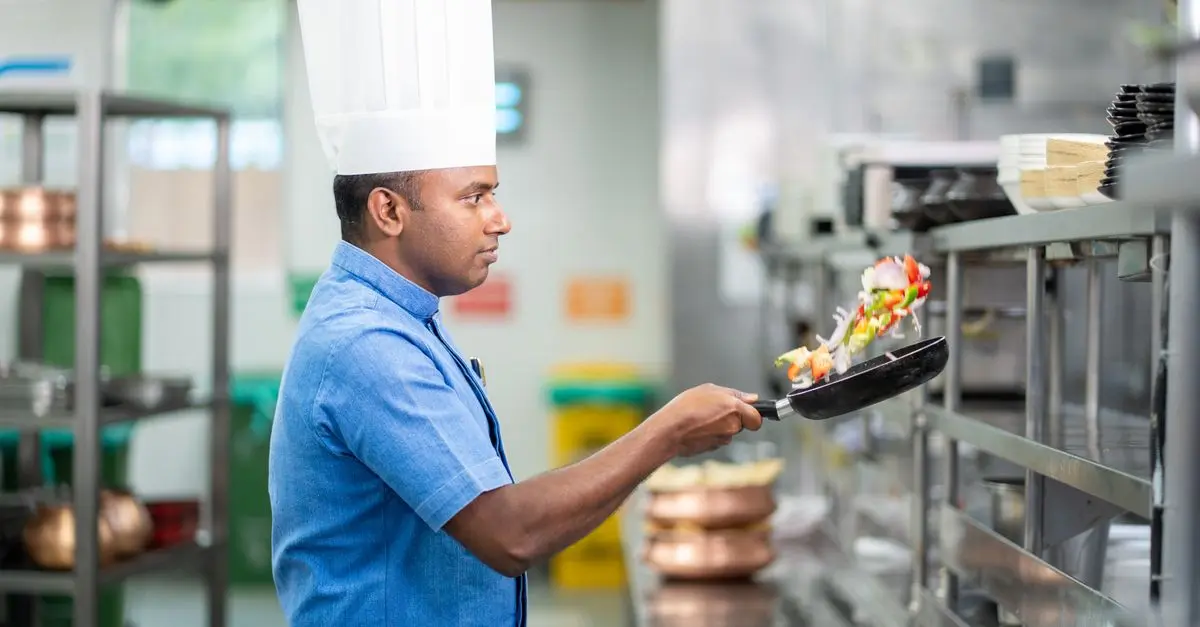
Sautéing is a fast cooking method that uses a small amount of fat over relatively high heat. It’s perfect for cooking vegetables because it helps retain their color and nutrients, as well as adds depth of flavor to meats. A common mistake during sautéing is overcrowding the pan, which leads to steaming instead of browning.
Start by preheating your pan and adding oil just until it shimmers. This means it’s hot enough for sautéing. When adding ingredients, make sure they are dry to prevent excess moisture. Stir them quickly, allowing them to brown evenly. This technique can be used to build layers of flavor; for instance, first sauté onions, then add mushrooms to develop a rich base for your dish.
3. Roasting
Roasting is another essential technique that involves cooking food in the oven. This method is excellent for vegetables, meats, and even fruits because it enhances natural flavors through caramelization. To roast effectively, start by choosing the right temperature; typically, a high heat (around 400-450°F) is ideal for achieving the crispy exterior.
Before roasting, season generously with salt, herbs, and spices. Ensure that your ingredients are spaced out on the baking sheet to allow for airflow. One common mistake is to keep checking the oven door; this lowers the temperature and slows down cooking. Using a meat thermometer can help you achieve perfectly cooked dishes without the guesswork. Experimenting with various roasting times and temperatures can yield delicious results and unexpected flavor combinations.
4. Making Sauces
A good sauce can elevate your dish from standard to extraordinary. Learning to make classical sauces like Béchamel, Hollandaise, and Tomato is foundational for any chef. These sauces can serve as the base for countless recipes.
Start with the basic components: a fat, a liquid, and a thickener. For example, Béchamel uses butter, milk, and flour. Once you’re comfortable with these classic techniques, try incorporating different flavors and ingredients to create your unique sauces.
Common pitfalls include not adequately seasoning your sauce or failing to whisk continuously, which can lead to lumps. Always taste as you go; this will help you refine your sauces and suit your palate.
5. Baking Basics
Baking is a science that relies on precision and timing. Understanding the fundamental techniques, such as measuring ingredients accurately and knowing how to cream butter and sugar, is essential for successful baking. Focus on simple recipes to start, such as cookies or basic cakes, to build your baking confidence.
One important tip is to always let butter soften before creaming; this will lead to a better texture in your baked goods. Additionally, invest in a reliable kitchen scale to ensure you’re measuring ingredients correctly. Once you get the hang of basic baked goods, you can move on to more complex pastries and breads.
💡 Expert Tip: Always read the entire recipe before beginning, as it helps to visualize the process and prepare adequately.
Uplift Essentials Rotatable Adjustable Tablet Stand For IPad And Tablets black 1
inspireuplift.com
Uplift Essentials Tripod Floor Tablet Stand Adjustable Heavy Duty Tablet Support Tripod Floor Tablet Stand Adjustable Heavy Duty Tablet Support
inspireuplift.com
Uplift Essentials Rotatable Adjustable Tablet Stand For IPad And Tablets black 2
inspireuplift.com
📺 Resource Video
> 📺 For further exploration: Master Essential Cooking Techniques, an informative guide on YouTube. Search for “essential cooking techniques tutorial” for a visual demonstration.
🗒️ Glossary
| Term | Definition |
|---|---|
| Sautéing | Cooking quickly in a small amount of fat over heat to preserve flavor and nutrients. |
| Roasting | Cooking food in an oven using dry heat, enhancing flavors through caramelization. |
| Béchamel | A classic white sauce made from milk, butter, and flour, serving as a base for other sauces. |
Checklist Before You Start Cooking
- [ ] Gather all necessary equipment and ingredients.
- [ ] Practice knife skills to ensure safety and efficiency.
- [ ] Preheat the oven if roasting.
- [ ] Read through the recipe thoroughly.
- [ ] Taste as you go to adjust flavors and seasoning.
🔍 FAQ
{
Uplift Essentials Rotatable Adjustable Tablet Stand For IPad And Tablets silver 1
inspireuplift.com
Uplift Essentials Rotatable Adjustable Tablet Stand For IPad And Tablets silver 2
inspireuplift.com
beautyblender Beautyblender Bounce Haus Essential Trio Gift Set, - None - Size: 0.31 Oz
kohls.com
Recommended products
Selected by our experts
Uplift Essentials Silicone T Shaped Eye Patch For Facial Skincare Silicone T Shaped Eye Patch For Facial Skincare
inspireuplift.com


ilyeco 30Pcs Vitamin Leave In Hair Care Essential Oil, Hair Care Capsules Keratin Essence, Protein Smooth Hair Essential Oil keratin
inspireuplift.com