Table of Contents (22 sections)
As an aspiring chef, mastering perfect cooking techniques can set the foundation for a successful culinary career. Cooking is both an art and a science, blending flavors, textures, and presentation to create memorable dishes. This guide breaks down essential cooking techniques into a step-by-step format, detailed enough to imbue you with expertise while remaining approachable for beginners. Let's get started!
1. Understanding the Basics of Cooking Techniques
Cooking techniques are the methods used to prepare food. They can be categorized into three main groups: dry heat methods, moist heat methods, and combination methods. Dry heat methods include roasting, baking, grilling, and frying, which do not use water or steam in the cooking process. Moist heat methods, on the other hand, involve cooking with water or steam, such as boiling, steaming, and poaching. Finally, combination methods merge both dry and moist techniques, like braising.
These foundational techniques are essential because they help define the texture and flavor of your dishes. For instance, knowing how to properly sauté vegetables (a dry heat method) versus boiling them (a moist heat method) can offer vastly different results in your final dish. According to research from UFC-Que Choisir, proper training in these techniques leads to improved meal quality and satisfaction. Understanding when and how to use these methods will elevate your cooking skills.
2. Step-by-Step Guide to Sautéing
What You Need Before You Start
Before you begin, gather the necessary tools and ingredients. You will need a heavy skillet, a spatula or wooden spoon, and your choice of vegetables.
Step 1: Heat the Pan
Start by heating your skillet on medium-high heat. This ensures that the vegetables will cook quickly and evenly. Use a small amount of oil—such as olive or vegetable oil—depending on your recipe. Wait until the oil shimmers before adding the ingredients.
Step 2: Add Ingredients
Once your oil is ready, add your chopped vegetables in a single layer. Overcrowding the pan will steam the vegetables rather than sauté them, so make sure to do this in batches if necessary.
Step 3: Stir Occasionally
Allow the vegetables to sit undisturbed for a few minutes, then stir occasionally to promote even cooking. Cook until they achieve a nice golden-brown color, which brings out their natural sweetness and enhances the flavor.
Common Pitfalls
Aspiring chefs often underestimate their cooking time. Overcooking can lead to mushy vegetables. Aim for crisp-tender results for the best texture.


3. The Importance of Knife Skills
Mastering Knife Techniques
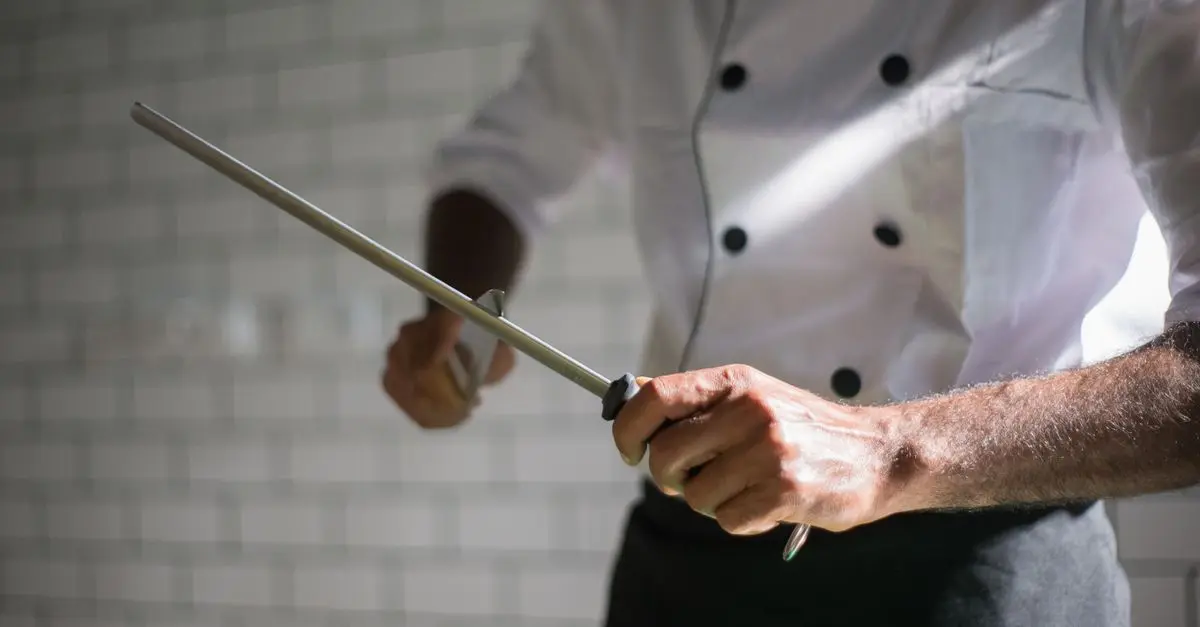
Knife skills are an overlooked yet vital aspect of cooking. A chef with proficient knife skills not only works efficiently but also ensures safety in the kitchen. Essential techniques you should master include:
- Chopping: Quick and efficient, used for various vegetables.
- Dicing: Creating uniform cube sizes for consistent cooking.
- Julienning: Thin, matchstick cuts ideal for stir-fries.
Practice Makes Perfect
To develop these skills, spend time practicing on various ingredients. Purchase a high-quality chef’s knife that feels comfortable in your hand to avoid fatigue while chopping.
4. Baking Basics: The Science of Cooking
Baking is often seen as a precise art where ingredients interact chemically. For example, baking soda and baking powder serve as leavening agents that create fluffiness in baked goods. Understanding how these interact can dramatically affect your results.
Essential Baking Techniques
When baking, mastering techniques such as folding, creaming, and whisking is crucial:
- Folding: Gentle technique used to combine ingredients without losing air.
- Creaming: Used to create a light texture in batters.
- Whisking: Essential for incorporating air into sauces or egg mixtures.
Use of Quality Ingredients
Your ingredient quality significantly affects the outcome. Invest in fresh produce, high-grade flour, and authentic vanilla extract to elevate your baked goods.
5. Incorporating Flavors: Seasoning Techniques
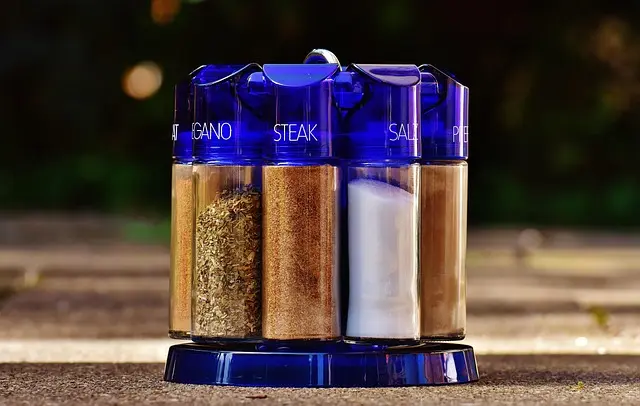
Flavor is King! Learning how to season food appropriately can transform a dish. Salt is essential as it enhances the natural flavors of ingredients. Consider experimenting with herbs and spices. For example, adding thyme to roasted chicken can provide an aromatic profile.
Tasting as You Go
One valuable habit is to taste your food at various stages of cooking. This helps you understand how flavors develop and allows you to adjust seasoning effectively.
Wrong Moves to Avoid
Be cautious of adding too much salt initially—you can always add more as you go, but it’s tough to undo a dish that’s too salty.
Checklist Before You Start Cooking
- [ ] Gather all necessary ingredients and tools.
- [ ] Prepare your workstation for efficiency.
- [ ] Taste your ingredients before beginning.
- [ ] Have your recipe handy and check your measurements.
- [ ] Practice your knife skills beforehand.
📺 For further exploration: Find amazing cooking techniques tutorials on YouTube. Search for "how to master cooking techniques" to find helpful videos that demonstrate each technique discussed in this article.
Glossary
| Terme | Définition |
|---|---|
| Sautéing | Technique de cuisson rapide à chaud avec un peu d'huile. |
| Mise en place | Préparation et organisation des ingrédients avant de commencer à cuisiner. |
| Leavening agents | Ingrédients qui provoquent le gonflement ou la légèreté des produits de boulangerie. |
Conclusion
Mastering these essential cooking techniques will not only improve your culinary skills but also increase your confidence as an aspiring chef. Remember, practice is key. Don’t hesitate to experiment and, most importantly, enjoy the cooking process. Ready to dive deeper into your culinary journey? Discover the recommended products below that can help you in the kitchen!
📺 Pour aller plus loin : how to master cooking techniques sur YouTube
Recommended products
Selected by our experts
Gants zootechniques El.Cm85 50Pcs
DocMorris FR (ex DoctiPharma FR)
These gloves are recommended as they provide safety and hygiene while handling food in the kitchen.
Eponge d'application Real Techniques 1pc
DocMorris FR (ex DoctiPharma FR)
This sponge is perfect for applying ingredients smoothly, aiding in creating flawless dishes.
Mini pinceau à fond de teint Real Techniques 1pc
DocMorris FR (ex DoctiPharma FR)
A mini brush like this is essential for detailing and finishing touches in cooking presentations.