Table of Contents (10 sections)
Embarking on the journey to become a chef can be both exciting and daunting. One of the cornerstones of culinary mastery is understanding and perfecting various cooking techniques. Whether you’re preparing a simple meal at home or aspiring to work in a high-end restaurant, honing these skills is essential. In this guide, we will explore a comprehensive set of cooking techniques that every aspiring chef should master, along with practical tips and common mistakes to avoid.
1. Understanding the Basics of Cooking Techniques
Cooking techniques encompass a wide array of methods used to prepare food. They can be classified into various categories such as dry heat cooking, moist heat cooking, and combination cooking methods. Familiarizing yourself with these categories is crucial.
- Dry Heat Cooking: This includes techniques like roasting, baking, grilling, and sautéing. These methods use direct heat to cook food, creating a tasty caramelization or browning.
- Moist Heat Cooking: This category involves methods such as boiling, steaming, and poaching. These techniques rely on moisture either from water or steam to cook food, making it tender and flavorful.
- Combination Cooking: Techniques like braising and stewing fall into this category, as they combine both dry and moist methods to achieve a deep and rich flavor profile in dishes.
Understanding these basics allows you to know when to apply each technique for the best results. Start with simple recipes that utilize these methods, like roasted vegetables or boiled pasta, to build your confidence.
2. Mastering Knife Skills
Good knife skills are fundamental to any chef's toolbox. They not only enhance your efficiency but also ensure precision in your cooking results.
- Safety First: Always ensure your cutting board is stable and your knife is sharp. Dull knives can slip and lead to accidents.
- Basic Cuts: Familiarize yourself with the chop, dice, julienne, and mince techniques. Practice with vegetables like carrots and onions, starting slow until you become more comfortable.
- Proper Grip: Hold the knife with a pinch grip between the blade and handle, while using your other hand to guide the food. Practice consistently to develop muscle memory.
Mistakes to avoid include improper grip which can lead to accidents and cutting food unevenly, affecting cooking times. Remember, precision is key!
3. Managing Heat Levels
Understanding how to control heat is vital in cooking. Different techniques require different levels of heat, and knowing how to manage this can elevate your dishes significantly.
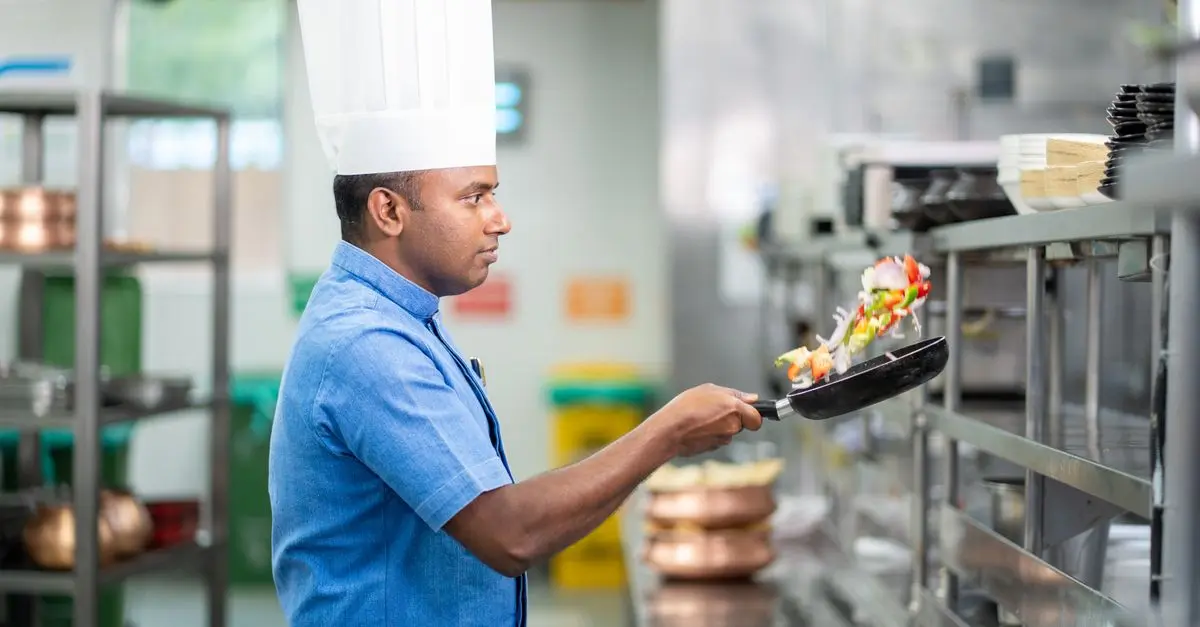
- High Heat Applications: Techniques like searing and stir-frying require high temperatures. This is essential for getting that crispy texture.
- Medium Heat Applications: Sautéing and pan-frying often use medium heat. It allows for the food to cook evenly without burning.
- Low Heat Applications: Perfect for simmering sauces or stews, low heat lets flavors develop over time without risking burning.
An important tip is to always preheat your pan before adding ingredients. This prevents them from becoming soggy and promotes even cooking.
4. Experimenting with Flavors
Flavor building is an art form in itself. Understanding how to layer and combine flavors is essential for creating delicious meals.
- Seasoning: Start with salt and pepper, which are the most effective ways to enhance flavor. Remember that seasoning should be adjusted in stages during the cooking process.
- Herbs and Spices: Learn the difference between fresh and dried herbs and when to use them. For example, fresh herbs are typically added at the end of cooking to preserve their flavor, while dried herbs are often added earlier.
- Umami Enhancements: Incorporating ingredients like mushrooms, tomatoes, or aged cheese can elevate your dishes to another level.
Be careful not to over-season. A common mistake is to add too many flavors; simplicity often leads to mastery.
5. Baking vs. Cooking Techniques
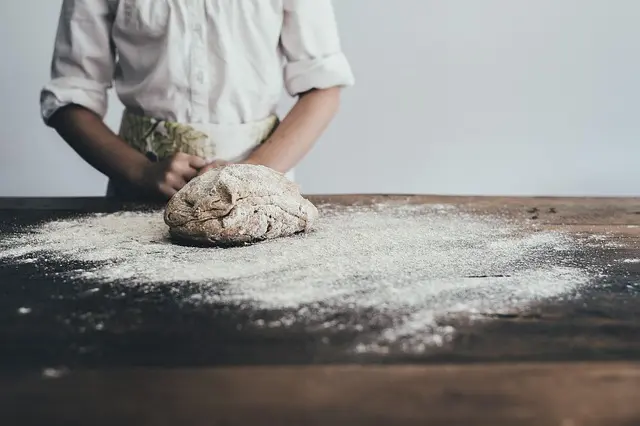
While many chefs focus primarily on cooking, understanding baking techniques can significantly enhance your culinary repertoire.
| Technique | Cooking Style | Baking Style | Verdict |
|---|---|---|---|
| Temperature | Changes quickly | Requires precision | Cooking; flexible |
| Ingredients | Usually variable | Often fixed amounts | Baking; repeatable |
| Texture | Varies based on method | Critical for quality | Both; essential |
| Outcome | Tasty and edible | Requires structure | Cooking; creative |
6. The Role of Presentation
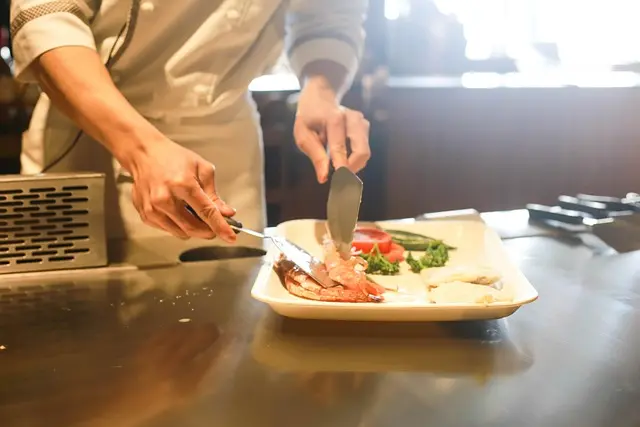
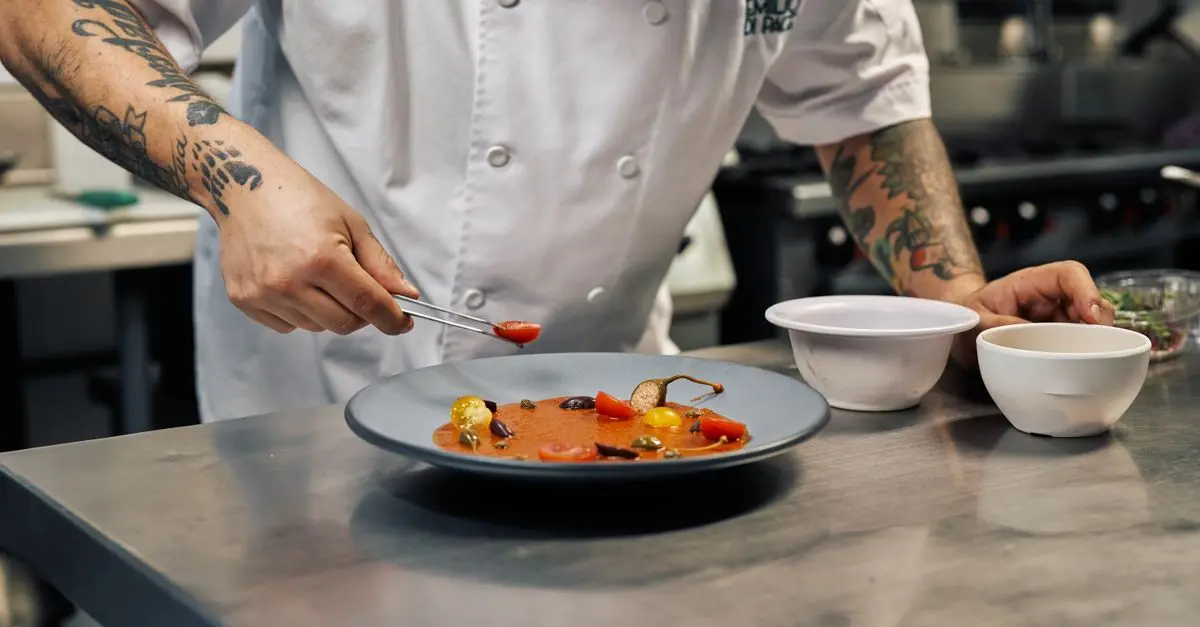
Presentation plays a crucial role in creating exceptional dining experiences. As a chef, your ability to plate beautifully can enhance how a dish is perceived.
- Plating Techniques: Use various shapes and colors to make the dish visually appealing. Consider height, symmetry, and contrasts.
- Garnishing: Incorporate fresh herbs or edible flowers for a finishing touch that adds flavor and visual appeal.
- Color Palette: Think about the colors in your dish. A mix of contrasting colors can draw the eye and stimulate the appetite.
Avoid overwhelming the plate; simplicity often makes a dish stand out more, keeping the focus where it belongs – on the food.
💡 Expert Tip: Investing time into learning and practicing these techniques will not only boost your confidence but will also greatly enhance your ability to create amazing dishes that delight both the eye and the palate.
7. Checklist before Cooking
Before you start cooking, ensure you have the following items at hand:
- [ ] Quality Chef's knife
- [ ] Sharp cutting board
- [ ] Fresh ingredients
- [ ] Necessary cooking equipment (pans, pots, etc.)
- [ ] Seasonings and tools for enhancing flavor
By checking off these items, you are ensuring that your cooking experience is both enjoyable and productive.
📺 Resource Video
📺 To go further: Mastering Cooking Techniques, a thorough analysis of essential cooking methods. Search on YouTube: "master cooking techniques 2026".
Glossary
| Term | Definition |
|---|---|
| Julienne | To cut food into thin, matchstick-like strips. |
| Searing | Cooking the surface of food to create a brown crust. |
| Umami | A savory taste often described as the fifth taste. |
---
By focusing on these essential cooking techniques, you can pave your way to becoming a skilled chef who delights in the kitchen. As you practice and refine these skills, don’t be afraid to experiment and make mistakes. This process is a key part of your culinary journey. Ready to cook? Get started today!
📺 Pour aller plus loin : master cooking techniques 2026 sur YouTube