Table of Contents (10 sections)
What Are Culinary Knife Skills?
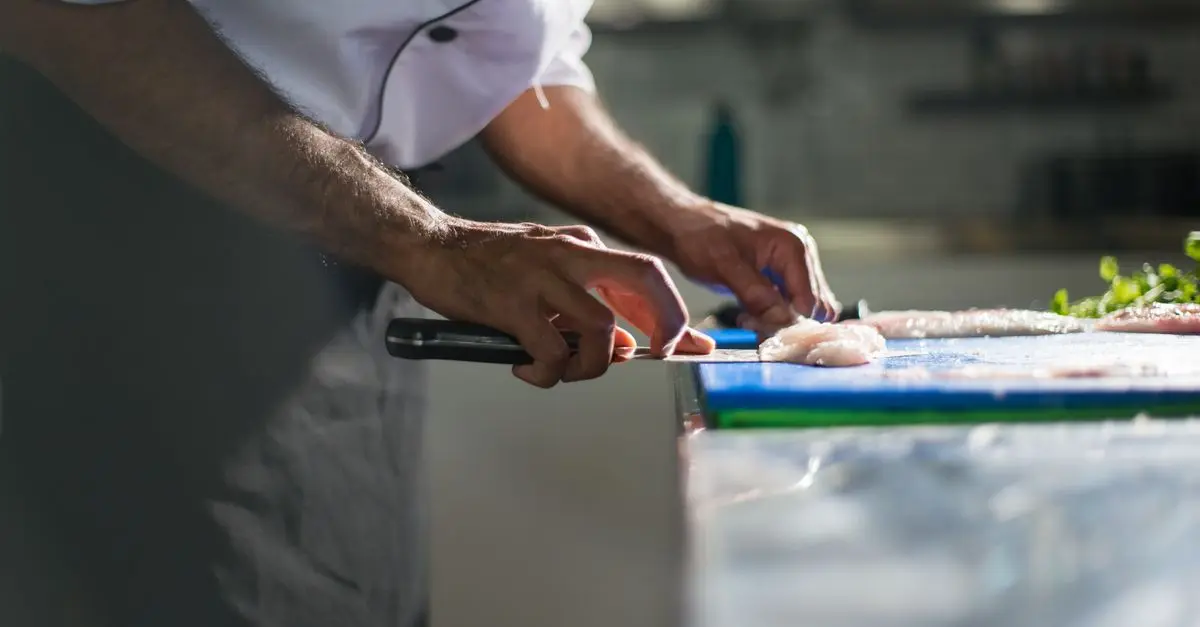
Culinary knife skills refer to the techniques and methods a chef utilizes to cut, slice, and prepare food using knives. These skills are fundamental to any chef, whether you're a budding amateur cook or a professional in the kitchen. Mastering these skills not only increases the efficiency of food preparation but also enhances presentation and cooking consistency. According to the Culinary Institute of America, skillful knife techniques can cut preparation time by up to 50%. The ability to wield a knife confidently is a hallmark of culinary expertise. Improper knife handling can result in accidents and inadequate food preparation, which is why learning correct knife skills is of utmost importance.
Essential Tools and Safety Practices
Before embarking on your journey to perfecting your culinary knife skills, it’s crucial to have the right tools and safety practices in place. Knives are the most important tools; having a few essential types is vital:
- Chef’s Knife: An all-purpose knife for chopping, slicing, and dicing.
- Paring Knife: Good for intricate cuts and peeling.
- Serrated Knife: Ideal for cutting bread and soft vegetables.
In addition to knives, it’s imperative to have a sturdy cutting board—ideally one made of wood or plastic—to protect both your knives and countertops. Safety should always be your priority. Use a pinch grip when holding the knife and keep your fingers tucked under the guide hand to avoid accidental cuts. Remember to keep your knives sharp; dull knives are more dangerous as they require more force, increasing the risk of slipping and injury. Always cut away from your body, and ensure your working area is clean and organized to minimize accidents.
Step 1: Understanding Knife Types and Their Uses
Each knife has a specific purpose. Familiarizing yourself with different types of knives can significantly enhance your cooking skills. For instance, a chef’s knife is versatile, suited for various tasks like chopping vegetables or slicing meat. A boning knife helps in removing bones from meat and fish with precision thanks to its flexible blade. Understanding these distinctions allows you to select the right knife for the job, resulting in more efficient food preparation.
| Knife Type | Purpose | Best For | Example Use |
|---|---|---|---|
| Chef's Knife | All-purpose | Chopping, slicing, dicing | Chopping onions |
| Paring Knife | Detailed work | Peeling and trimming | Peeling apples |
| Serrated Knife | Cutting bread and soft foods | Slicing bread, tomatoes | Slicing fresh baguettes |
| Boning Knife | Removing bones | Filleting fish, trimming meats | Filleting a whole fish |
Step 3: Practicing Advanced Techniques
Once you have a good command of basic cuts, it's time to explore advanced techniques, like brunoise (tiny diced cuts) and fine julienne. These techniques require not just skill but also patience and practice. Use ingredients like carrots or zucchini to practice these cuts, ensuring you foster consistency. To truly master these techniques, you might consider participating in local cooking classes or workshops where hands-on guidance on techniques can be found, such as those offered by the American Culinary Federation.
Step 4: Maintaining Your Knives
Proper knife care is just as critical as learning how to use them. Clean your knives with mild soap and water after each use. Never place them in the dishwasher, as it can dull the blade and damage the handle. Regularly honing your knives with a honing steel is key to maintaining a sharp edge. Every few years, consider taking your knives to a professional sharpening service for a thorough sharpen. A well-maintained knife not only performs better but also enhances your overall cooking experience.
Step 5: Tips from the Pros
To excel at culinary knife skills, consider the tips seasoned chefs swear by:
- Practice Regularly: Like any skill, practice makes perfect. The more you cut, the more comfortable you will become.
- Stay Organized: Keep your workspace neat; a clutter-free environment helps you focus on your tasks and enhances safety.
- Invest in Quality Knives: While many knives are available at a lower price point, investing in high-quality knives significantly impacts your experience in the kitchen.
> 💡 Expert Tip: According to professional chefs, familiarity with your tools will elevate the quality of your dishes, making your cuts more precise and uniform.
Checklist for Mastering Knife Skills
- [ ] Invest in essential knives (Chef's, paring, serrated)
- [ ] Obtain a sturdy cutting board
- [ ] Learn basic cutting techniques (dice, julienne, chiffonade)
- [ ] Practice advanced techniques (brunoise, fine julienne)
- [ ] Keep knives sharp and well-maintained
- [ ] Regularly clean knives after use
- [ ] Stay organized in your workspace
- [ ] Consider a knife skills workshop
Glossary
| Term | Definition |
|---|---|
| Dice | Cutting food into small uniform cubes. |
| Julienne | Cutting food into thin, matchstick-sized strips. |
| Chiffonade | A technique for cutting leafy greens into thin ribbons. |
📺 For further insights: Explore our YouTube channel for detailed videos on knife skills, where we dive deeper into mastering these essential techniques. Search for:
culinary knife skills tutorial.
📺 Pour aller plus loin : culinary knife skills tutorial sur YouTube