Table of Contents (14 sections)
Understanding Culinary Techniques
Culinary techniques refer to the methods and skills used in cooking. Mastering these techniques is crucial for anyone aiming to become a chef. These foundational skills not only enhance flavor and presentation but also ensure food safety and proper cooking times. In 2026, as the culinary world constantly evolves, understanding these techniques remains timeless.
Techniques range from the basic, such as chopping and sautéing, to advanced methods like molecular gastronomy. Why is it important to understand these techniques? According to a study by the Culinary Institute of America, over 70% of culinary professionals reported that mastering core techniques significantly improved their career prospects. Additionally, knowing the science behind cooking allows chefs to innovate and adapt recipes while preserving essential flavors.
Learning to master culinary techniques also involves recognizing tools and equipment essential in the kitchen. Whether it’s understanding the correct use of knives or the importance of precise temperature control, a strong foundation in culinary techniques is vital for success.
Step-by-Step Mastery of Essential Techniques
Getting started with culinary techniques can feel overwhelming, but breaking it down makes it easier. Here are essential steps to master:
1. Knife Skills
Knife skills are fundamental. Start by practicing basic cuts: julienne, brunoise, and chiffonade. Ensure you have a sharp chef's knife, a paring knife, and a cutting board. Consistent practice enhances precision and speed. An expert recommends dedicating 30 minutes daily to practice different cuts.
Common Mistakes to Avoid: Using a dull knife can lead to injuries and uneven cuts. Always keep your knife sharp!
2. Sautéing Techniques
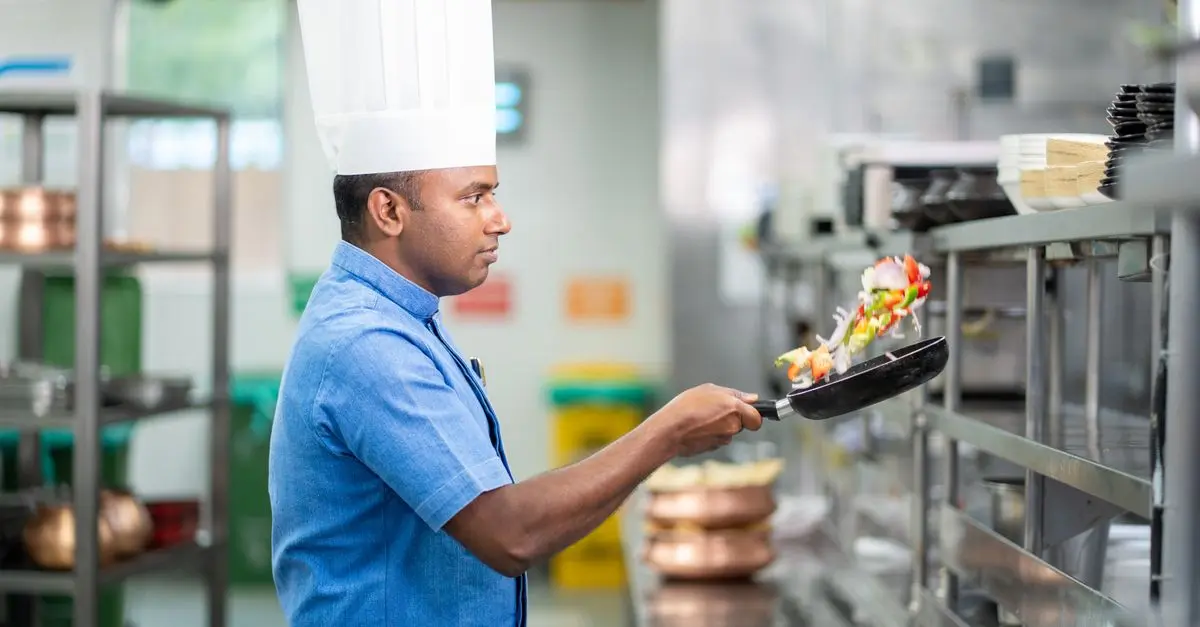
Sautéing involves cooking food quickly in a small amount of fat. Begin by heating the pan, adding oil or butter, and allowing it to become hot before introducing ingredients. This technique is perfect for vegetables and proteins. According to culinary experts, using the right temperature is crucial to avoid steaming instead of sautéing.
Tip: Utilize a stainless-steel skillet for better browning.
3. Poaching
Poaching is a gentle cooking method where food is submerged in hot liquid. Ideal for eggs or fish, start by heating water (or stock) to just below boiling point. This not only retains moisture but enhances flavor without added fats.
Quick Tip: Add aromatic herbs to the poaching liquid for enhanced flavor.
4. Baking Basics
Baking requires precision. When baking breads or pastries, consistently measure ingredients and monitor oven temperatures. A thermometer can be your best friend!
Common Pitfall: Using outdated baking powder or baking soda can ruin your baked goods. Always check expiration dates.
5. Understanding Sauces
Sauces are crucial in elevating a dish. Master the classic sauces, such as béchamel and hollandaise, as they are the foundation for countless variations. Learn to balance flavors and textures.
Advice from Experts: Practice emulsification with vinaigrettes or mayonnaise for a strong foundational understanding of sauces.
Comparing Common Culinary Techniques
| Technique | Description | Best Used For | Key Benefits |
|---|---|---|---|
| Sautéing | Cooking quickly in little fat | Vegetables, proteins | Retains flavors, quick cooking |
| Poaching | Cooking in simmering liquid | Eggs, fish | Moist, subtle flavors |
| Baking | Cooking with dry heat | Breads, pastries | Creates texture, structure |
| Grilling | Cooking over direct heat | Meats, vegetables | Smoky flavor, charred texture |
Analytical Insights into Culinary Trends
In 2026, culinary techniques are continuously adapting to consumer preferences. Studies show that 80% of diners prefer meals that emphasize freshness and seasonal ingredients. According to data from Statista, the global market for innovative cooking methods has grown 35% over the past three years. Techniques like sous-vide (cooking in a vacuum-sealed bag) and fermentation are trending as chefs explore ways to enhance flavors while ensuring the nutritional value of food remains intact.
Furthermore, the rise of plant-based diets has shifted culinary techniques towards incorporating more vegetables without compromising taste. Chefs are now experimenting with various cooking styles to create appealing dishes for all dietary restrictions. Mastering these evolving culinary techniques is crucial for chefs who want to stay ahead in the competitive food industry.
Frequently Asked Questions
Q: What is the best way to learn culinary techniques?
A: The best way to learn is through hands-on practice, enrolling in culinary classes, and watching experienced chefs.
Q: How can I improve my knife skills?
A: Regular practice and focusing on technique, like correct grip and cutting motions, will enhance your skills.
Q: Are there specific tools essential for mastering culinary techniques?
A: Yes, having a good set of chef's knives, quality pots/pans, and measuring tools is vital.
Q: How long does it take to master culinary techniques?
A: Mastery can take years of practice; however, focusing on consistent daily practice can yield results faster.
Glossary
| Term | Definition |
|---|---|
| Sautéing | Cooking food quickly in oil over medium-high heat. |
| Poaching | Cooking food gently in simmering liquid. |
| Emulsification | The process of mixing two liquids that usually don't mix. |
Checklist for Mastering Culinary Skills
- [ ] Practice basic knife cuts
- [ ] Master sauté and poaching techniques
- [ ] Experiment with baking recipes
- [ ] Learn to emulsify sauces
- [ ] Explore innovative cooking methods
Quick Quiz
> 🧠 Quick Quiz: What is the main benefit of poaching food?
> - A) Creates crispy texture
> - B) Retains moisture and enhances flavor
> - C) Cooks food quickly
> Answer: B — Poaching retains moisture and enhances the natural flavors of the food.
📺 To go further: [Understanding the art of sautéing and poaching], a complete analysis of cooking techniques. Search YouTube:
culinary techniques tutorial 2026.
📺 Pour aller plus loin : culinary techniques tutorial 2026 sur YouTube