Table of Contents (16 sections)
As an aspiring chef, learning how to refine your culinary techniques is crucial for your growth. Whether you are aiming for professional kitchens or home cooking excellence, mastering essential skills will set you apart. This guide explores procedural methods, comparative analysis, and expert insights to elevate your cooking prowess.
Step 1: Understand Basic Culinary Techniques
The foundation of becoming a proficient chef lies in understanding basic culinary techniques. This encompasses essential methods like sautéing, boiling, roasting, and baking. Knowing these techniques allows chefs to prepare a wide range of dishes effectively. For instance, mastering sautéing can help you create everything from vegetable stir-fries to seared meats.
Importance of Understanding Techniques
According to a survey conducted by the Culinary Institute of America, over 67% of cooking professionals emphasize the importance of foundational techniques in their training. These skills not only enhance your cooking flavor but also improve your ingredient handling, timing, and overall efficiency in the kitchen.
As a tip, consider enrolling in foundational courses offered by reputable culinary schools or online platforms that emphasize hands-on practice. Additionally, cook from cookbooks that focus on techniques rather than just recipes. This approach ensures your base knowledge grows alongside your recipe repertoire.
Step 2: Practice Knife Skills
Knife skills are crucial for any chef, as they impact the quality and presentation of your dishes. Start with mastering the basic knife cuts: julienne, chiffonade, brunoise, and dice. Practicing these cuts not only improves food preparation speed but enhances the aesthetic of your dishes.
Standardizing Your Practice
A good rule of thumb is to spend at least 15-30 minutes daily on knife skills. Watch tutorials from established chefs on platforms like YouTube to see how they manage their knives and tackle complex tasks more efficiently. Err on the side of caution; ensure you have a sharp knife, communicate with others in the workspace about what you’re doing, and use a stable cutting board.
Common Mistakes to Avoid:
- Using dull knives.
- Failing to keep your fingers in a claw position while cutting.
- Not practicing consistently, which can hinder your muscle memory development.
Step 3: Master Cooking Methods
Understanding different cooking methods is vital for an aspiring chef. Each cooking technique, whether braising, grilling, or poaching, offers unique flavor profiles and textures to dishes. Here’s a simple comparison to understand various methods:
Cooking Method Comparison Table
| Cooking Method | Description | Pros | Cons |
|---|---|---|---|
| Sautéing | Cooking quickly in a small amount of oil | Fast and preserves nutrients | Can burn easily if not monitored |
| Baking | Cooking in dry heat in an oven | Even cooking, excellent for pastries | Time-consuming and equipment needed |
| Boiling | Cooking in boiling water | Easy and quick | Can lose nutrient value |
| Grilling | Cooking over direct heat | Charred flavor, perfect for meats | Requires space or specialized equipment |
Step 4: Experiment with Flavors
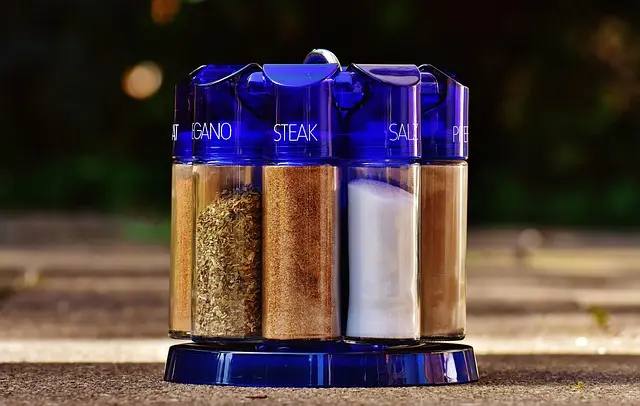
Gaining a solid understanding of flavor profiles and pairings can transform your dishes. Start by familiarizing yourself with herbs and spices, which can drastically influence the flavor and aroma of your meals. Invest time in tasting and analyzing different flavor combinations to develop your palate.
Engaging Your Senses
Conduct tasting sessions where you combine different herbs with staple ingredients. Many chefs suggest making a simple herb butter by mixing unsalted butter with garlic and fresh herbs like parsley and chives. This basic skill opens the door to a wide range of uses, from enhancing vegetables to enriching sauces.
Tip: Keep a spice journal to record flavor experiments, noting what works and what doesn’t. Over time, you’ll cultivate a sense of creativity and confidence in flavor development.
Step 5: Plating and Presentation
In contemporary culinary arts, the presentation of food is just as crucial as taste. Learning how to plate effectively can elevate a simple dish into something visually stunning.
Techniques for Effective Presentation
Invest in quality plating tools like squeeze bottles, tweezers for placing microgreens, and decorative plates. Start simple by practicing plating techniques like using a ring mold for grains or purées, and applying sauces with a spoon or brush.
Common Errors:
- Overcrowding the plate.
- Ignoring height and layering.
- Neglecting color variety.
Checklist for Aspiring Chefs
- [ ] Master basic culinary techniques
- [ ] Practice knife skills daily
- [ ] Understand various cooking methods
- [ ] Experiment with different flavors
- [ ] Work on plating and presentation skills
Glossary
| Term | Definition |
|---|---|
| Sautéing | A method of cooking quickly in a pan over high heat with a small amount of oil. |
| Brunoise | A cutting technique that involves chopping food into small, uniform cubes. |
| Plating | The art of arranging food on a plate for visual appeal. |
- Why is knife skill important?
Knife skills enhance food preparation speed and ensure safety by allowing controlled cuts.
- How can I improve my plating skills?
Practice with different techniques and invest in quality plating tools.
- What’s the best way to experiment with flavors?
Start by mixing ingredients you already enjoy and keep track of what works in a flavor journal.
📺 Resource Video
> 📺 For further insights: How to Master Culinary Techniques, an in-depth look at crucial cooking methods and skills. Search on YouTube for: culinary techniques mastery.
📺 Pour aller plus loin : culinary techniques mastery 2026 sur YouTube